


German wine
German wine comes from a cool wine country, with vineyards along rivers such as the Rhine and the Mosel. Riesling is the most important grape, ranging from bone-dry to sweet. Germany is also producing increasingly good Spätburgunder, the German name for Pinot Noir.


German wine by grape variety
You mainly choose German wine by grape variety. We have a dedicated page about the most important grape varieties, as well as about alcohol-free wine, an area in which German producers excel.

Riesling
From bone-dry to sweet, with citrus, peach and crisp acidity that can age for years.
About Riesling →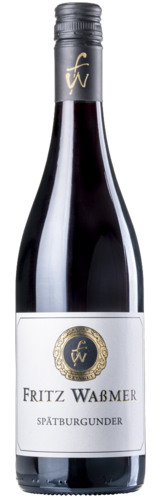
Pinot noir
The blue grape from Burgundy, which produces elegant red wine in Baden, the Pfalz and the Ahr.
About Pinot Noir →
Pinot blanc
A soft, round white wine with pear and nuts. Delicious with asparagus and quiche.
About Pinot Blanc →
Alcohol-free wine
German wineries are among the best-known producers of wine from which the alcohol has been removed.
About alcohol-free wine →Cool vineyards along the river
Germany lies at the northern limit of where grapes can still ripen well. That is why the best vineyards are often on steep slopes along rivers, facing the sun. The water and stony soil retain heat. The country has thirteen wine regions. The Mosel is famous for Riesling from steep slate slopes. The Rheingau and Nahe also produce mainly Riesling. Rheinhessen is the largest region, with many different grape varieties. The Pfalz and Baden, in the south, are warmer and known for Spätburgunder and white Burgundy varieties. In Franconia, they drink Silvaner from the distinctive flat, round bottle.
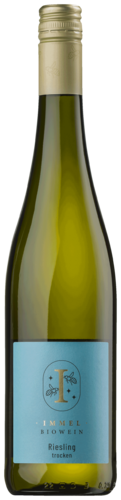
Riesling is Germany's most important grape. It produces wines with plenty of fresh acidity and aroma, available in dry, lightly sweet and sweet styles. On the label, this is indicated by words such as trocken (dry), halbtrocken or feinherb (lightly sweet), and lieblich (sweet). Labels also sometimes include classifications such as Kabinett, Spätlese and Auslese. These indicate how ripe the grapes were at harvest: Kabinett is the lightest, while Auslese is riper and often sweet. Above these are rare sweet wines such as Beerenauslese, Trockenbeerenauslese and Eiswein, made from grapes picked frozen on the vine. For red wine, spätburgunder is the most important grape, while dornfelder produces soft, dark red wine.
In brief
Seven bottles, from dry riesling to Auslese
Three rieslings show how versatile the grape is: dry from the Mosel, lightly sweet as Kabinett and powerful from the Rheingau. Then a spätburgunder, a weissburgunder, a sweet Auslese and an alcohol-free riesling.
Dr. Loosen Blauschiefer Riesling
Dry riesling from vineyards with blue slate along the Mosel. Crisp and fresh, with citrus, green apple and a mineral note.

Dr. Loosen Wehlener Sonnenuhr Riesling Kabinett
A classic Mosel Kabinett from the renowned Wehlener Sonnenuhr vineyard. Low in alcohol, with pear, white flowers and herbs, and lively acidity.

August Kesseler Rüdesheim Riesling
Riesling from old vines around the town of Rüdesheim am Rhein. Rich and powerful, with ripe apple, white pear and stone fruit, and refreshing acidity.

Fritz Wassmer Spätburgunder Alte Reben
Spätburgunder, Germany's Pinot Noir, from vines over 45 years old in Baden. Elegant, with red cherries and a soft, fine structure.
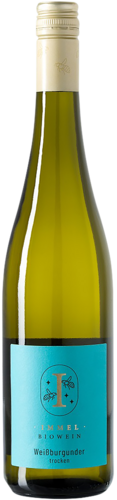
Immel Weissburgunder
Dry Weissburgunder, or Pinot Blanc. Ripe fruit, some mandarin and herbs, with a round structure and a nutty finish.

Karl Kaspar Auslese
Sweet wine made from carefully selected, ripe grapes. Tropical fruit, orange marmalade and honey, yet still fresh.

Leitz Motiv Riesling
Riesling from which the alcohol has been carefully removed after production. Lime, lemon and red apple. For those who want the taste of wine without the alcohol.
How can you tell whether a Riesling is dry or sweet, and why does an older Riesling sometimes smell of petroleum? You can read about it on our Riesling page.
Fresh, aromatic and often light
Citrus, peach & blossom
Riesling smells of lemon, lime, green apple, peach and white flowers. After a few years, notes of honey and sometimes petroleum emerge. Spätburgunder smells of red cherries and strawberries.
Crisp acidity
German white wine has plenty of fresh acidity. In lightly sweet wine, this acidity balances the sweetness so the wine does not taste cloying. Many wines are low in alcohol.
Fresh and mineral
A good Riesling finishes long and fresh, often with a mineral, somewhat stony note from the slate soil. Spätburgunder finishes soft and fruity.
Flavor profile of an average Mosel Riesling. A trocken scores lower on sweetness, while an Auslese scores much higher. Spätburgunder scores lower on freshness and slightly higher on body.
How to serve German wine
White and sweet wines are best served well chilled; Spätburgunder slightly chilled.
Spätburgunder at 14 to 16 degrees
German Pinot Noir is light and fresh and is best enjoyed slightly chilled. Put the bottle in the refrigerator half an hour before serving. This keeps the fruit fresh and prevents the alcohol from standing out.
More about wine temperature →Sweet wine extra cold
Serve an Auslese or other sweet wine at 6 to 8 degrees, in a small glass. The cold keeps the sweetness fresh. An opened bottle of sweet wine will keep for a few days in the refrigerator with a stopper.
More about dessert wine →Riesling at 8 to 10 degrees
Serve dry and off-dry riesling, weissburgunder and other white wines at 8 to 10 degrees. A powerful riesling from the Rheingau or an oak-aged chardonnay can be served slightly warmer, at around 10 to 12 degrees.
More about decanting →German wine at the table
Thanks to its fresh acidity, German wine is an easy partner for food. An off-dry riesling is also one of the best wines for spicy Asian food.
Fish and shellfish
Baked or steamed fish, sushi, oysters and mussels. Dry riesling also works well with German classics such as sauerkraut and pork.
Spicy Asian food
Thai curry, Indian dishes and sushi with wasabi. The touch of sweetness tempers the heat, while the acidity keeps it fresh.
Asparagus and quiche
During asparagus season, a dry weissburgunder is a reliable choice. It also goes well with quiche, chicken and creamy pasta.
Duck and dessert
Spätburgunder pairs well with duck, game birds and mushrooms. Serve Auslese with pâté, blue cheese or a fruit dessert.
The right glass for German wine
Pour riesling into a slightly smaller white wine glass so the aromas of citrus and blossom stay together and the wine remains cool. Spätburgunder calls for a more spacious red wine glass. Serve a sweet Auslese in a small glass. These are the glasses we recommend ourselves.


Everything else you wanted to know about German wine
Can't find your question here? Read more about wine and food, or get in touch.
Wine and food →What is German wine?
What do Kabinett, Spätlese and Auslese mean?
What does trocken mean?
What is Spätburgunder?
How much alcohol is in German wine?
What do you eat with Riesling?
Buy German wine
Want the bottle at home right away? Order German wine online from Gall & Gall. Gall & Gall has 61, including 7 on offer.

Karl Erbes Riesling Trocken
Prices as of 9 October 2026, as provided by Gall & Gall. You can see the current price and stock at Gall & Gall. Glazen.nl receives a small commission if you buy something through these links; you pay nothing extra. No 18, no alcohol.