Red wine
Red wine is made from dark grapes, and the skins ferment along with the juice. The juice itself has no color. Both color and astringency come from the skins. Here you can learn where the tannins come from and which grape is right for you.


Red wine by grape and region
These four pages take a closer look at one grape or one region from this section.
Merlot
A fairly large grape with thin skin. That means it has less pigment and fewer tannins than cabernet sauvignon.
About Merlot →Valpolicella
In this region of Veneto, corvina, rondinella, and molinara come together in the blend. From ripasso to amarone.
About Valpolicella →
Rioja
In this Spanish region, tempranillo is the most important grape, and aging in oak is still its hallmark.
About Rioja →
Brunello
Sangiovese is Tuscany’s main grape. It’s used in Chianti and just as much in Brunello di Montalcino.
About Brunello →How red wine gets its color and tannins
Red wine is made from dark grapes, but the color isn’t in the juice. Grape juice is always colorless. The skins are what make the wine red. For red wine, the skins ferment along with the juice, and the longer they stay in, the darker the wine. For red wine, they soak in the must for about 24 hours. For rosé, it’s 8 to 14 hours. That’s why rosé is so much lighter. By the way, color doesn’t tell you much about body. Nebbiolo is usually light in color, but big on flavor.
That astringency in your mouth has a source, too. Tannin is the name for the tannic acids in wine. They’re found in grape skins, seeds and stems, or come from the barrel in which the wine aged. During fermentation, they pass into the juice. You taste them as a dryness that makes the corners of your mouth contract. In red wine, the skins, stems and seeds ferment along with the juice, so that astringency ends up in your glass. With white wine, only the juice ferments, so it doesn’t contain tannins. Skin thickness matters, too. Syrah, Cabernet Sauvignon and Nebbiolo have thick skins and produce more robust wines.
In brief
Five bottles, from light to bold
Red wine can be all sorts, from a light Pinot Noir to a robust Malbec. These five are listed from the lightest grape to the boldest.

Pinot noir
The lightest of the noble red grapes. Red berries, cherries, raspberries and often an earthy note. This Loire is juicy and smooth, light in color with silky tannins.
Tempranillo
The star grape of Rioja. Earthy, with cherry and plum, light tannins and a velvety feel in your mouth. This bottle was aged in oak, which you can taste in the vanilla and cigar box notes.
Corvina
The grape of Valpolicella. Fresh acidity, red fruit and a hint of spice. It makes up 70 percent of this blend, alongside Rondinella and Molinara. For Ripasso, the wine ferments again on the pomace from Amarone, making it much fuller-bodied.

Primitivo
From the heel of Italy. There, its thick, dark skin protects the grape from the heat, and also gives it firm tannins. Full-bodied, with black cherries, plums and blackberries, plus tobacco, rooibos and anise.
Malbec
A small, dark grape with a bold flavor. Plums and blackberries, with cocoa, pepper, leather or licorice. Argentina produces by far the most of it. This one from Mendoza is robust, dark and bold.
Syrah and cabernet sauvignon take it a step further. Thick skins, plenty of tannin, and aromas of blackcurrant and cedar.
Fruit, spices, and a touch of astringency
Red and black fruit
Cherries, red berries, and plums in lighter grapes. Dark fruit like blackberries and blackcurrants in more powerful wines. If the wine was aged in oak, you'll also find vanilla, cocoa, or spices.
Astringent from the tannins
That astringent feeling that makes the corners of your mouth tighten comes from the tannins in the grape skins, seeds, and stems. The thicker the grape skin, the firmer the sensation.
Warm and spicy
Short and juicy with a light pinot noir, long and full with a primitivo or malbec. Pepper, licorice, leather, and cocoa are found among the more powerful wines.
This is an average across the entire selection. Pinot noir is clearly lower in tannin and intensity. Malbec or cabernet sauvignon, on the other hand, are higher.
How to serve red wine
Red wine is usually too warm at room temperature. Chilling it, opening it in advance, and using a proper glass make the biggest difference.
Chill to 14 to 18 degrees
Fruity red wine tastes best at 14 to 16 degrees. Half an hour in the fridge is enough. Pour full-bodied, powerful wines at 18 degrees, so chill them for fifteen minutes. At an average room temperature of 21 degrees, all you taste is the alcohol, and the fruit is gone.
Chill white wine further →Decant, but not always
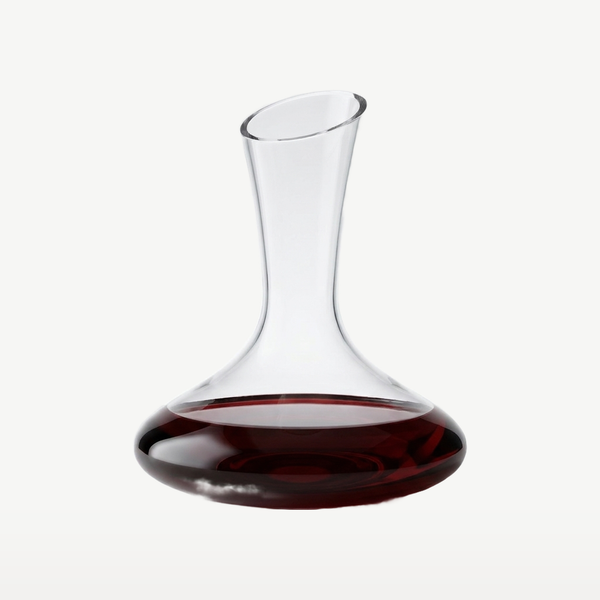
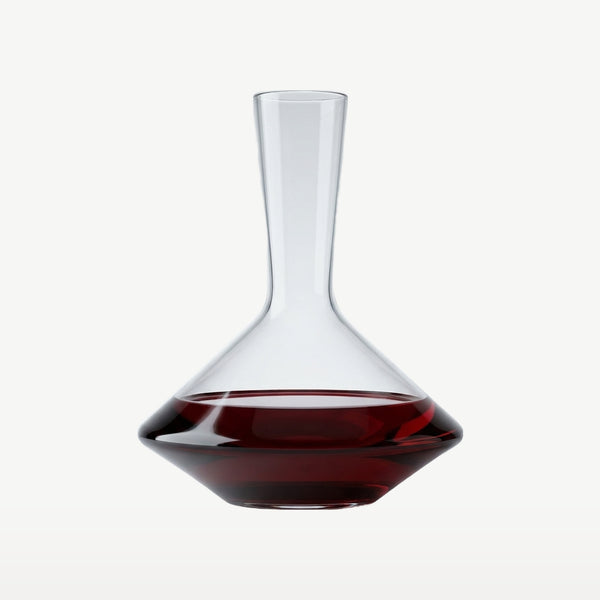
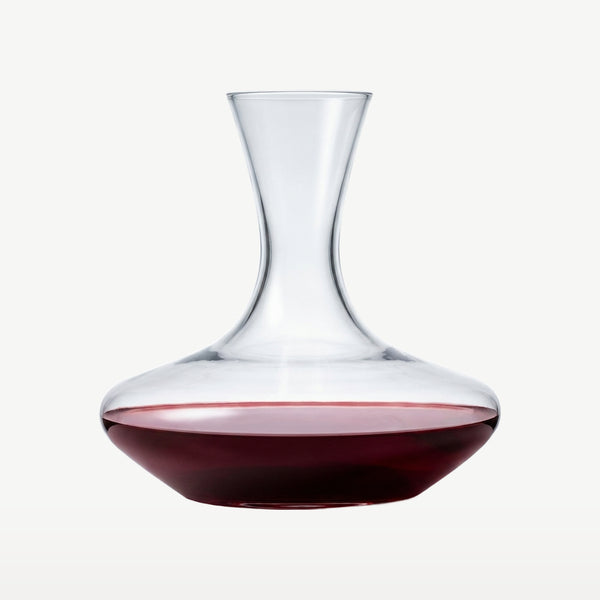
Decanting simply means pouring the wine into another vessel, giving it more oxygen. Young, tightly structured red wines really need it, or their flavors won't open up. Decant them half an hour to three hours ahead of time. Don't decant older, refined wines. They're already full of aroma and flavor.
To the decanters →Pour to just below the widest part
Pour red wine to just below the widest part of the glass. That gives you room to swirl it without spilling. Hold the glass by the stem, because holding the bowl warms the wine. A 75 cl bottle yields about six glasses.
The right glass →Wine cocktails
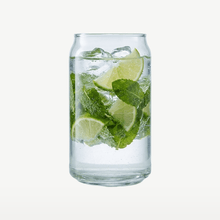
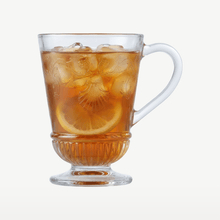
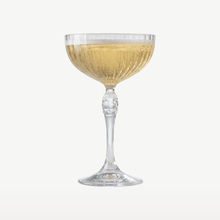
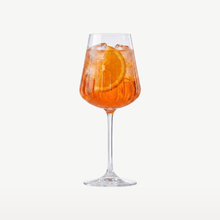
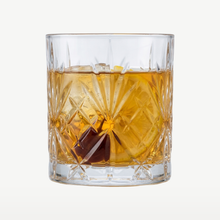
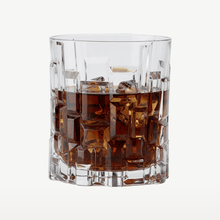
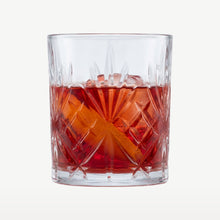
Red wine rarely goes into a cocktail neat. In Spain, they often top it up instead, giving rise to sangria and tinto de verano. The other two are wine cocktails with bubbles.

Sangria
Red wine with pieces of fruit and plenty of ice, meant to be served by the pitcher.
Tinto de Verano
Summer's literal red wine: red wine topped up with fizzy lemonade, over ice.
Kir Royale
Crème de cassis at the bottom of the glass, topped up gently with a dry sparkling wine.
Aperol Spritz
Aperol, Prosecco, and sparkling water in a large glass with ice, garnished with a slice of orange.The right glass for red wine
Red wine benefits from a little extra oxygen. That's why its glass is larger and wider than a glass for white wine or rosé. The aromas linger in the bowl, and the stem keeps your hand from warming the wine. These are the glasses we recommend.


Questions about red wine
Can't find your question here? Browse our cocktail recipes or get in touch.
To the cocktail recipes →What is red wine, and what are its ingredients?
Why is red wine red and white wine not?
What is tannin, and why does red wine feel dry?
Which red grape variety is right for me?
At what temperature should you serve red wine?
Should you decant red wine?
Which glass is right for red wine?
Buy red wine
Want the bottle delivered straight to your door? Order red wine online at Gall & Gall. Gall & Gall has 1,005 options, 52 of which are on sale.
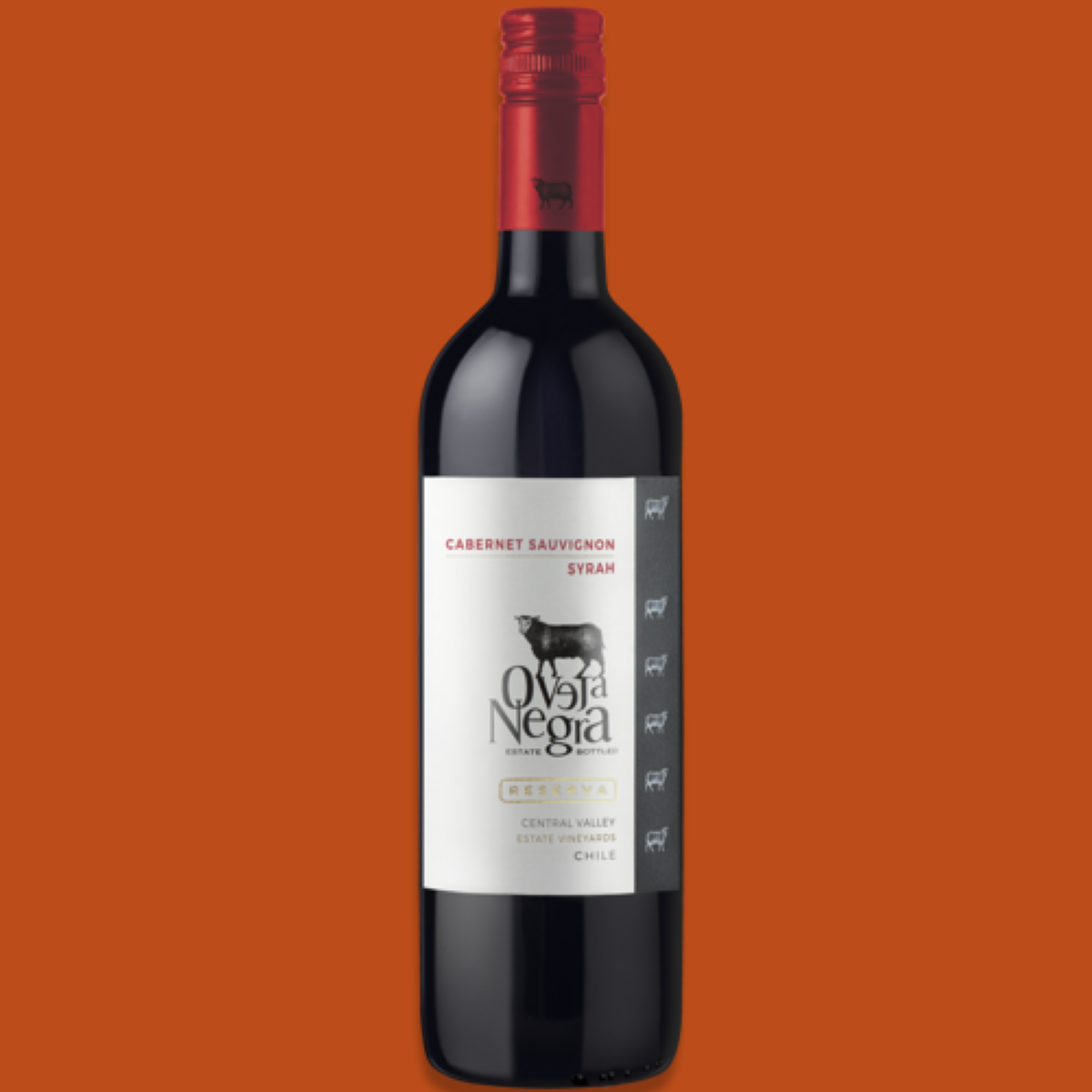
Oveja Negra Reserva Cabernet Sauvignon Syrah
Prices as of November 23, 2026, as reported by Gall & Gall. You can see the current price and stock at Gall & Gall. Glazen.nl receives a small commission if you buy something through these links; it costs you nothing extra. No 18, no alcohol.