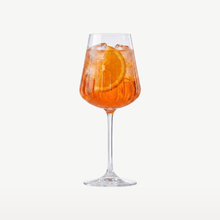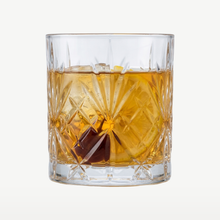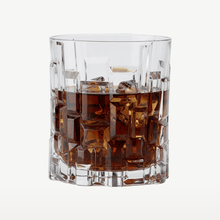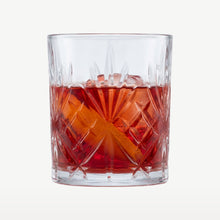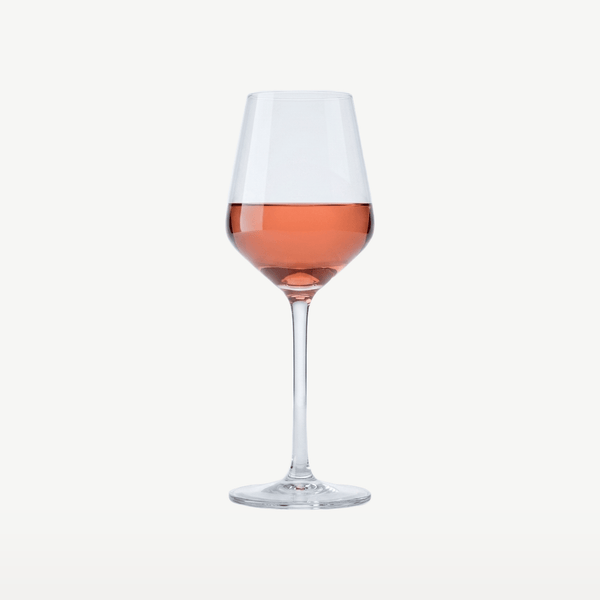
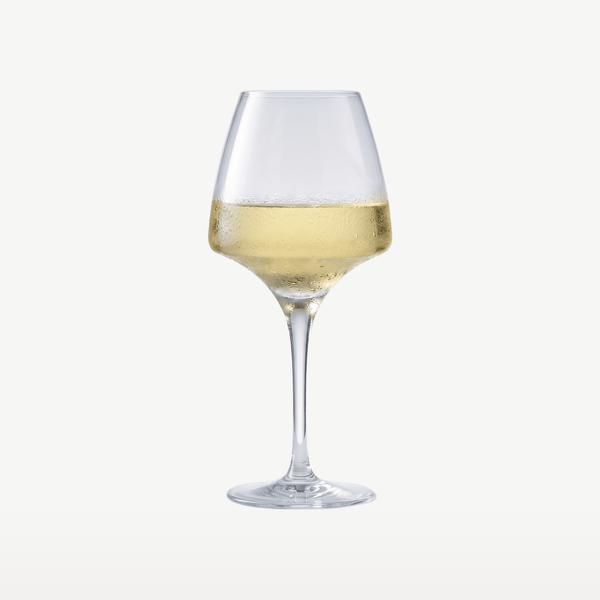
Chef & Sommelier Open Up Pro Tasting Wine Glass 32 Cl - 6 Pieces
White wine
How sweet a white wine tastes depends on one thing: how much sugar the yeast converted into alcohol during fermentation. If almost all of it is converted, you have a dry wine. If sugar remains, you'll taste it. Below, we've listed six bottles from dry to sweet, along with the glass to serve them in.


White wine by grape variety
You'll find these four grape varieties in almost every wine aisle, from bone dry to dessert-sweet. We've created a separate page for each grape variety covering its flavor, food pairings, and glass.
Chardonnay
From an oak barrel, soft and buttery with vanilla and caramel. From a steel tank, lighter and fresher.
About Chardonnay →Sauvignon Blanc
Citrus, green apple, gooseberry, and a touch of herbs. Always goes well with goat cheese and vegetables.
About Sauvignon blanc →
Verdejo
The signature grape variety of Rueda. You'll taste green melon, citrus, fennel, and white peach.
About Verdejo →
Moscato
The Muscat grape is behind many dessert wines. Think apricot, peach, orange, and vanilla.
About Moscato →The juice is colorless; the skin makes the difference
White wine is made from green or yellow grapes, and sometimes even blue ones. That’s possible because grape juice is always colorless. The color is in the skin. With white wine, the skins don’t go into fermentation, so the wine stays light and often tastes fresh and fruity. Look at the rest of the shelf and you’ll see how it works. For rosé, the skins are left in the must for eight to fourteen hours; the longer they stay, the darker the wine. For red wine, they ferment together for the full process. So white, rosé and red all come from the same colorless juice, and only go their separate ways when the skins are involved. White wine is filtered after the first fermentation and then usually rests for a few months in stainless steel tanks.
Whether a wine is dry or sweet depends on when fermentation stops. If almost all the sugar is converted into alcohol, little remains, and citrus and apple flavors come through. If fermentation stops earlier, residual sugar remains, and you can taste it. To make these wines, winemakers usually choose grapes that are naturally high in sugar. Riesling shows well how one grape can go in two directions. Its acidity is always high, but the wine can be dry or sweet. And Chenin Blanc can be made in every style, from bone dry to sweet. So you can’t rely solely on the grape on the label. The winemaker’s style tells you more.
In brief
Six bottles, from dry to sweet
They all look the same in the glass. But they taste very different. The further down you go, the more sugar remains in the wine and the lower the alcohol content.

Pinot Grigio
Smooth and fresh. You can taste peach, grapefruit and lime with a hint of spice, and the finish is soft and long. It usually has very little residual sugar, so it’s often the driest bottle in the lineup.
Sauvignon Blanc
Citrus, freshly cut grass and gooseberries, and easy to drink. It’s crisp, with high acidity and usually less sweet than a Chardonnay.
Verdejo
Juicy and fruity, with tropical fruit, lemon, fennel, and green herbs. Verdejo comes from Rueda in northern Spain. Some of these wines are aged in oak, which makes them much fuller.
Oak-aged Chardonnay
Half of this full-bodied wine has spent six months in oak. You can smell and taste it right away: vanilla, butter, and toffee, surrounded by pineapple, papaya, peach, and lemon.

Riesling Spätlese
The Riesling grapes for this wine are harvested late in the Ürziger Würzgarten vineyard, and quite a lot of residual sugar remains. The wine is sweet and fruity. At 7.5 percent alcohol, it is much lighter than the dry bottles above.
Moscato
A lightly sweet wine with soft bubbles, made from the Muscat grape Muscat d'Alexandrie. You can smell orange blossom and mandarin. This is the sweetest bottle of the six and, at 5.5 percent, also the lightest.
Red and rosé are made from exactly the same colorless juice. The only difference is that the skins go into the vat too.
Fresh from the acidity, as sweet as fermentation allows
Citrus & white fruit
A dry bottle smells of citrus, green apple, pear, and herbs, sometimes with a grassy note. Sweet wines shift toward apricot, peach, honey, and orange blossom.
Fresh or round
There is hardly any sugar left in a dry white wine, so it tastes fresh and a little tart. If it contains residual sugar, the wine feels rounder and fuller. In Riesling, the high acidity balances it out.
Vanilla & butter
Age your Chardonnay in oak, and it becomes full and rich, with vanilla, butter, and sometimes caramel. From a steel tank, the same grape tastes more like a fresh Pinot Gris or Sauvignon Blanc.
This is what an average dry white wine looks like. Oak-aged Chardonnay scores higher in body. A Spätlese or Moscato ranks much higher in sweetness.
How to pour white wine
White wine should be cold in the glass and stay cold. Three things help with that: the right temperature, how you hold the glass, and how full you pour it.
Chill to 8 to 12 degrees
Fresh, fruity white wine is best enjoyed at 8 to 10 degrees. Allow about three hours in the fridge. Full-bodied or aromatic wines can be served at 10 to 12 degrees. One and a half to two hours of chilling is enough, or take the bottle out of the fridge half an hour beforehand. Oaked Chardonnay is at its best at 12 degrees, while steel-aged Chardonnay is best at 7 to 10.
From dry to sweet →Hold by the stem
Every wine glass has a base, a stem and a bowl. Hold the glass by the stem so your hand doesn’t warm the wine. The bowl catches the aromas and lets them circulate. Pour white wine just above the widest part of the bowl, no further. Wine that gets lukewarm smells less fresh.
Browse glasses →Storing wine after opening
Most wines oxidize after three to four days once opened. A handy trick is to pour the leftover wine into a plastic bottle and squeeze it until the wine is almost at the top. It will then keep in the fridge for a few days to a week. A vacuum pump works too. Store sealed bottles on their sides so the cork doesn’t dry out.
More about storing →Cocktails with sparkling white wine
Still white wine is hardly ever used in cocktails. You simply drink it from a glass. All four of these cocktails feature sparkling white wine, making them the closest match to the lightly sweet Moscato above.

Bellini
Peach purée at the bottom of the glass, then slowly top up with a dry sparkling wine.
Hugo Spritz
Elderflower syrup, sparkling wine, sparkling water and mint over lots of ice.
Mimosa
Half orange juice, half bubbles, and nothing else needed.
Kir Royale
A splash of crème de cassis topped up with a dry sparkling wine.The right glass for white wine
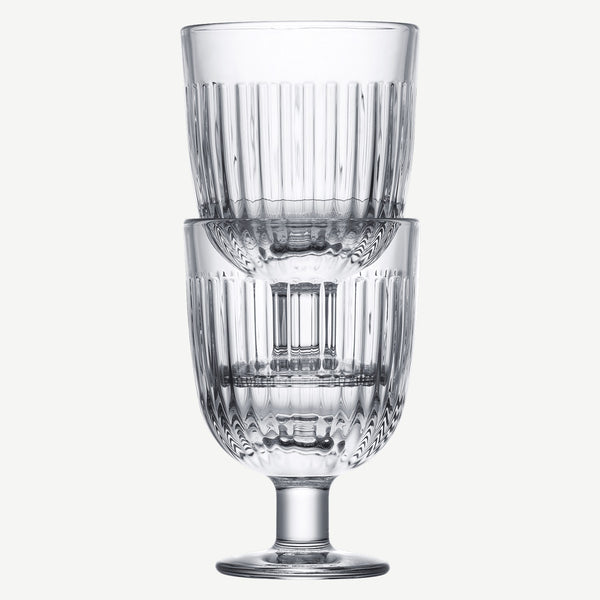
White wine stays cool longer in a slimmer glass. A bowl with a little room gives the aromas space to develop. These are glasses we recommend ourselves.


Questions about white wine
Can’t find your question? Browse our cocktail recipes or get in touch.
To the cocktail recipes →What’s the difference between dry and sweet white wine?
Is chardonnay sweet or dry?
Is sauvignon blanc sweet or dry, and what about pinot grigio?
Which white wine is the sweetest?
At what temperature should you serve white wine?
How many glasses are in a bottle of white wine?
How long does a bottle of white wine keep?
Buy white wine
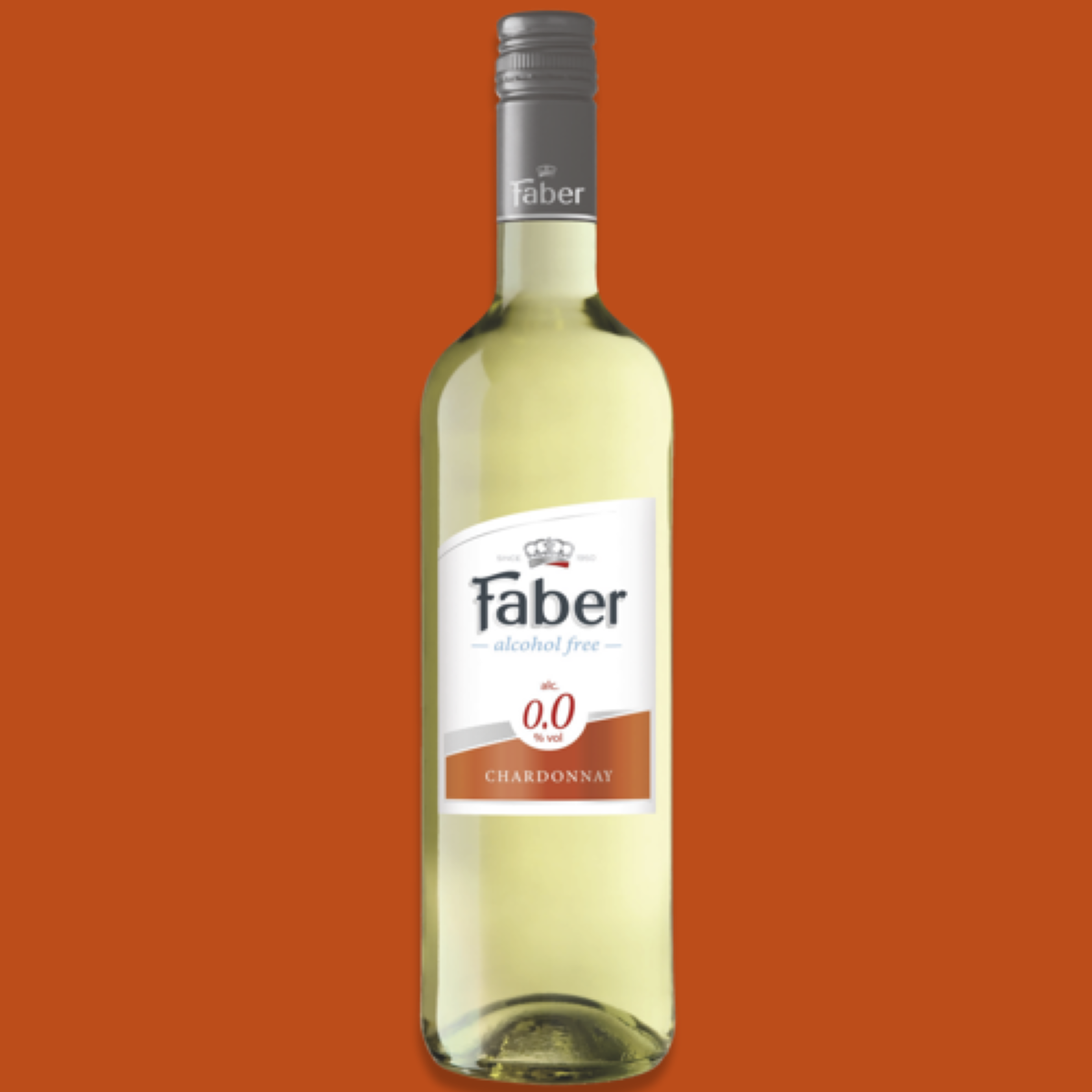
Want the bottle delivered straight to your door? Order white wine online from Gall & Gall. Gall & Gall has 589, including 30 on sale.
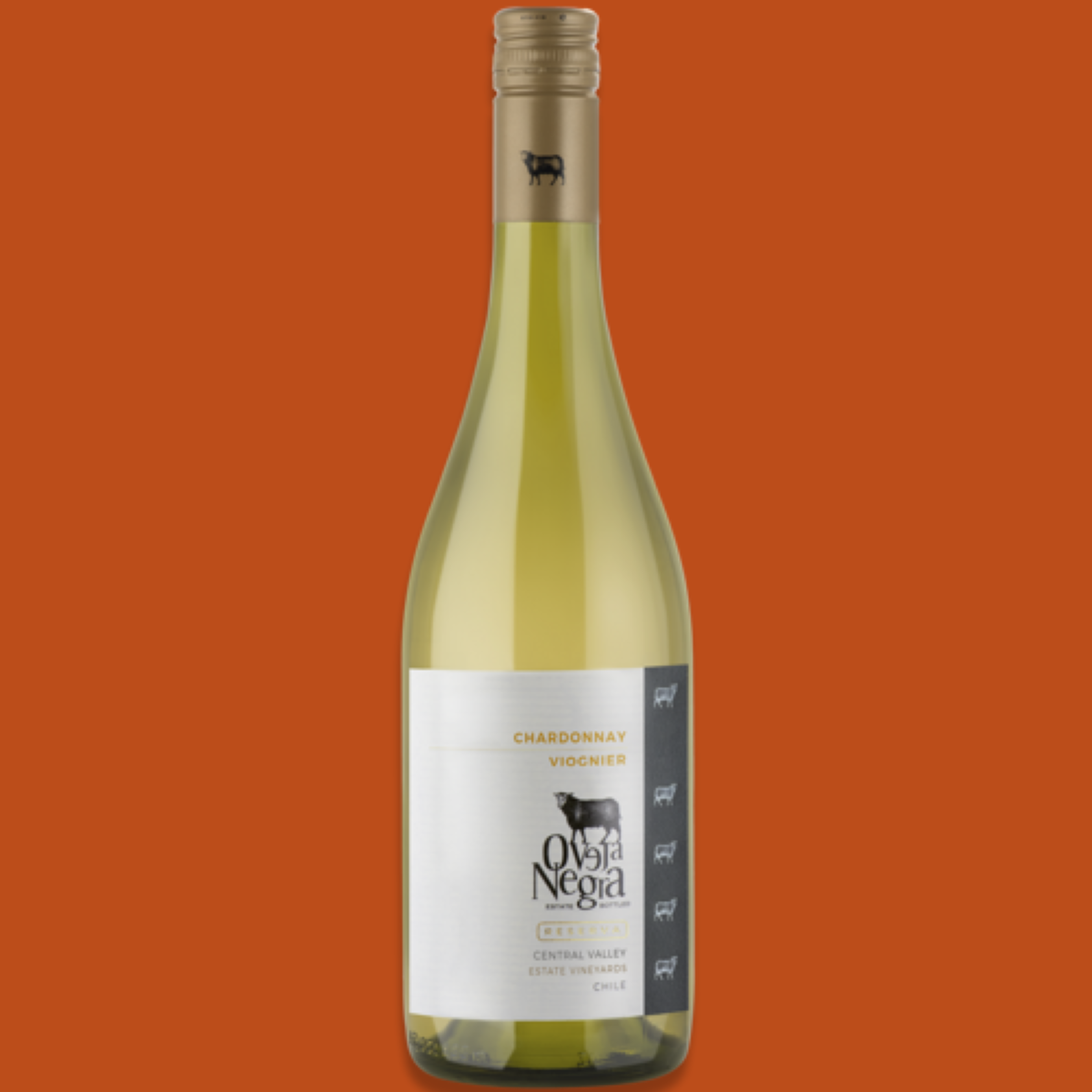
Oveja Negra Reserva Chardonnay Viognier
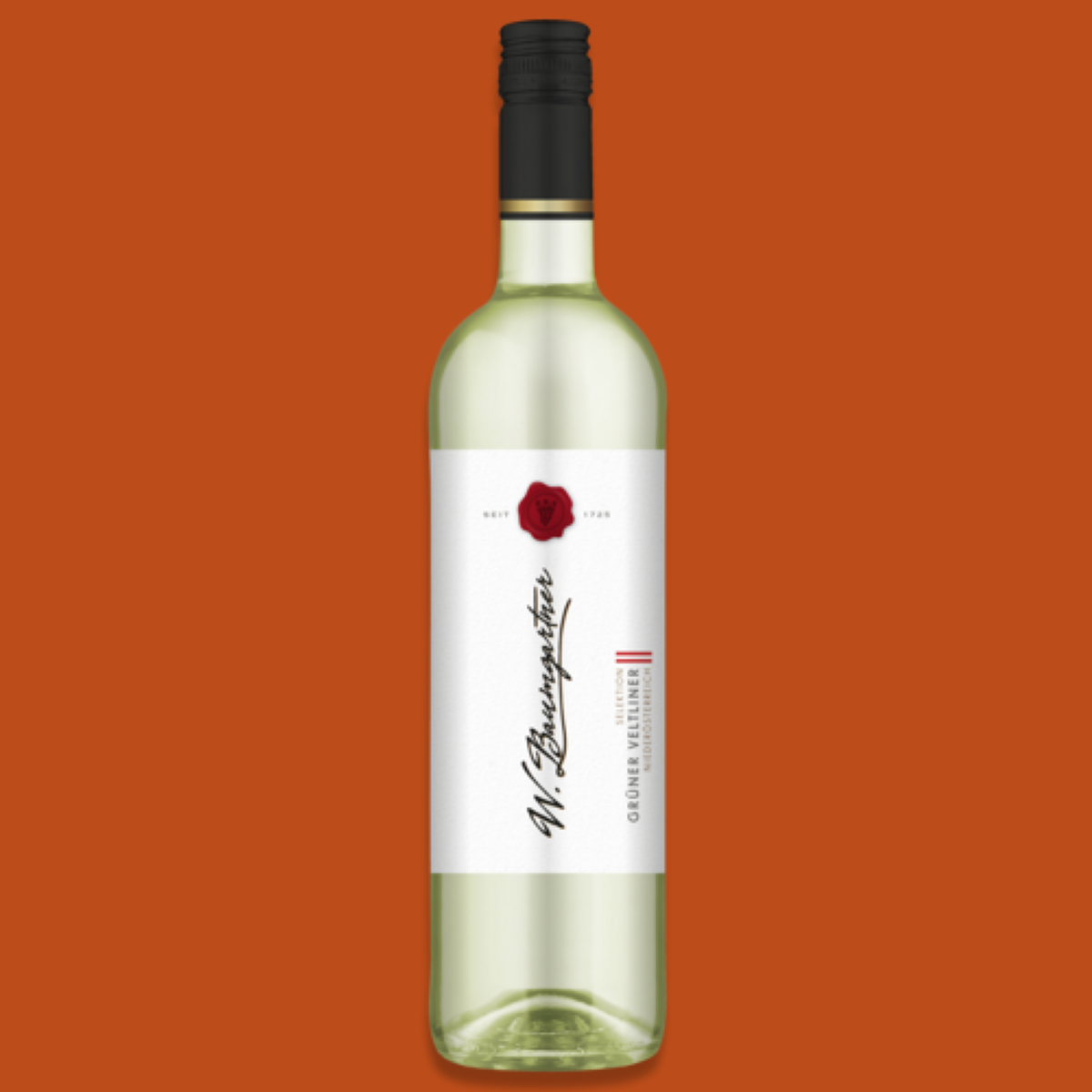
Baumgartner Grüner Veltliner
Prices as of November 23, 2026, as provided by Gall & Gall. You can see the current price and stock at Gall & Gall. Glazen.nl receives a small commission if you buy something through these links; it costs you nothing extra. No 18, no alcohol.