


Austrian wine
Austrian wine comes mainly from the east of the country, around Vienna and along the Danube. Grüner veltliner is the best-known grape: fresh, spicy and with a characteristic touch of white pepper. Austria also produces juicy red wine from zweigelt and blaufränkisch, as well as famous sweet wine.


Austrian wine, by grape and style
Austria is primarily a white-wine country. We have a dedicated page about the most important grapes and orange wine, where Austrian producers are often at the forefront.
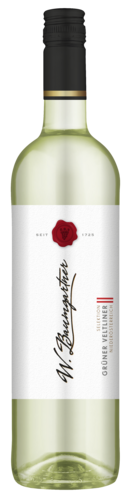
Grüner Veltliner
Fresh and spicy, with green apple, citrus and a touch of white pepper. It accounts for about a third of the vineyards.
About grüner veltliner →

Orange wine
White wine that stays in contact with the skins longer, giving it color and grip.
About orange wine →
Pinot blanc
A soft, rounded white wine with apple and nut flavors. Delicious with asparagus.
About pinot blanc →White wine from the Danube, red from the Pannonian lowlands
Austrian vineyards are located almost entirely in the east of the country, where the Alps give way to hills and lowlands. The largest region is Lower Austria, which includes well-known areas such as the Wachau, Kremstal, Kamptal and Weinviertel. In the Wachau, vines grow on steep stone terraces along the Danube. Southeast of Vienna lies Burgenland, warmer and flatter, around the large, shallow Lake Neusiedl. Most of the red wines and famous sweet wines come from there. In the south lies Styria, known for its fresh sauvignon blanc. And Vienna is one of the few capitals with its own vineyards within the city limits.
Grüner Veltliner is the national grape. It grows in about a third of all vineyards and produces fresh wine with green apple, citrus and a spicy hint of white pepper. Riesling is less widely planted, but produces top wines in Wachau and Kremstal. For red wine, Zweigelt is the most widely planted grape: an Austrian cross between Blaufränkisch and Sankt Laurent. In Wachau, you see three styles on the label: Steinfeder is light, Federspiel medium-bodied and Smaragd the ripest and fullest. After a scandal in the 1980s, Austria introduced one of Europe’s strictest wine laws, and since then the country has been known for clean, precisely made wine.
In brief
Seven bottles, from Grüner Veltliner to Beerenauslese
First, two Grüner Veltliners from Wachau, one light and one full-bodied, and a Riesling from the terraces. Then three Austrian red grapes and a noble sweet wine from Burgenland.
Domäne Wachau Grüner Veltliner Federspiel
Federspiel from Weissenkirchen on the Danube: the medium-bodied style of Wachau. Light and fresh, with green apple, pear, citrus and white pepper.

Domäne Wachau Grüner Veltliner Smaragd Kirnberg
Smaragd is the ripest and fullest style of Wachau. This single-vineyard wine has plenty of flavor and power, with yellow apple, grapefruit, fresh herbs and white pepper.

Winzer Krems Kremstal Riesling 'Von den Terrassen'
Riesling from the terraces in Kremstal. Peach, yellow apple and plenty of minerality, with high acidity and a slight touch of residual sweetness for balance.

Domäne Wachau Blauer Zweigelt Terrassen
Zweigelt is Austria's most widely planted red grape variety. Strawberry, blueberry and cherry with a spicy note of black pepper.

Domaine Andau Blaufränkisch
Blaufränkisch from Burgenland, near the Hungarian border. Dark fruit and spice, but with soft tannins and a juicy character.

Domaine Andau Sankt Laurent
Sankt Laurent is related to Pinot Noir and produces elegant red wine with blueberries, black cherries and wild strawberry.

Domaine Andau Beerenauslese
Noble sweet wine made from grapes affected by noble rot, from the region between Lake Neusiedl and the Hungarian border. Passion fruit, honey and fresh lemon.
Where does that note of white pepper come from, and what is the difference between Federspiel and Smaragd? You can read about it on our Grüner Veltliner page.
Fresh, clean and slightly peppery
Apple & white pepper
Grüner Veltliner smells of green apple, pear, citrus and green herbs, with the typical note of white pepper. Riesling smells of peach and apricot. Zweigelt smells of red cherries and strawberry.
Fresh and clean
The white wines have fresh acidity and a clean, dry taste. A Smaragd is fuller and creamier. The red wines are juicy, with soft tannins and a spicy edge.
Spicy and mineral
Many Austrian white wines finish spicy and mineral, with a slight pepperiness that lingers. Red wine finishes fruity and fresh.
Flavor profile of an average Grüner Veltliner Federspiel. A Smaragd scores higher in intensity, while a Beerenauslese is much sweeter.
How to serve Austrian wine
White chilled, red lightly chilled and sweet wine extra cold in a small glass.
Red at 14 to 16 degrees
Zweigelt, Blaufränkisch and Sankt Laurent are juicy and fresh. They are best enjoyed lightly chilled. Put the bottle in the refrigerator half an hour before serving.
More about wine temperature →Sweet wine extra cold
Serve Beerenauslese at 6 to 8 degrees in a small glass. A small amount is enough: the wine is intense. Once opened, a bottle will keep for days in the refrigerator with a stopper.
More about dessert wine →White wine at 8 to 10 degrees
Serve grüner veltliner and riesling at 8 to 10 degrees. A full-bodied Smaragd can be served slightly warmer, around 10 to 12 degrees. If it is too cold, the spiciness and ripeness disappear.
More about decanting →Austrian wine at the table
Grüner veltliner is known as one of the easiest wines to pair with food. It can even handle challenging combinations such as asparagus and artichoke. Austrian cuisine, with schnitzel and goulash, points the way for the rest.
Schnitzel and asparagus
Wiener Schnitzel, fried fish, asparagus, salads and light Asian dishes. A Smaragd also pairs well with veal and poultry.
Fish and trout
Trout, salmon, steamed fish and shellfish. Also delicious with mild curries.
Goulash and cold cuts
Goulash, braised meat, game, grilled meat and a platter of cold cuts. The juicy fruit and peppery note pair well with spicy food.
Cheese and dessert
Blue cheese, foie gras and fruit desserts, such as apricot tart or apfelstrudel.
The right glass for Austrian wine
Pour grüner veltliner and riesling into a slightly smaller white wine glass so the fresh aromas stay together. For zweigelt and blaufränkisch, choose a large red wine glass. Serve Beerenauslese in a small glass. These are the glasses we recommend ourselves.


Everything you still wanted to know about Austrian wine
Isn't your question listed? Read more about wine and food, or contact us.
To wine and food →What is Austrian wine?
What is Grüner Veltliner?
What do Federspiel and Smaragd mean?
What is Zweigelt?
How much alcohol is in Austrian wine?
What do you eat with Grüner Veltliner?
Buy Austrian wine
Want the bottle at home right away? Order Austrian wine online from Gall & Gall. Gall & Gall has 31, 4 of which are on sale.
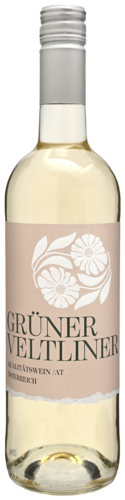

Winzer Krems Grüner Veltliner BIO

Gruber Röschitz Pinot Noir Galgenberg Organic
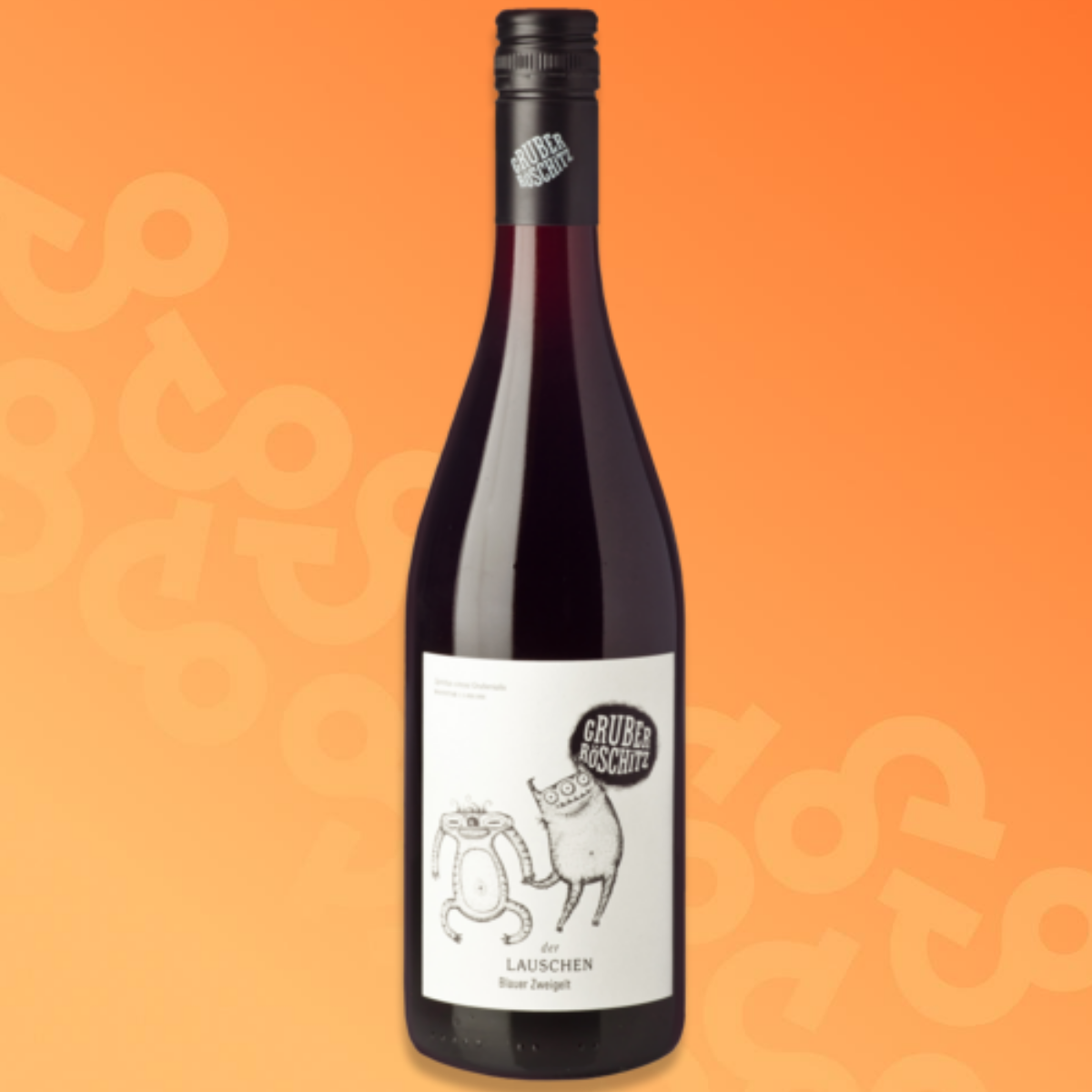
Prices as of October 9, 2026, as provided by Gall & Gall. You can see the current price and stock at Gall & Gall. Glazen.nl receives a small commission if you buy something through these links; you pay nothing extra. No 18, no alcohol.