


Mazzei
Mazzei is an old Tuscan wine family. Their home is Castello di Fonterutoli, a hamlet with a castle in Chianti Classico that has been in the family's hands since the fifteenth century. That is where they make chianti and Super Tuscans. The family also has the Belguardo estate in Maremma, on the coast, and Zisola in Sicily.


Mazzei and the regions behind it
The Mazzei family makes wine in three places. We have a dedicated page about the regions and the main grapes.
Chianti
The difference between chianti, Chianti Classico, riserva and Gran Selezione explained.
About chianti →
Tuscany
From Chianti inland to the Maremma by the sea: the wine region around Florence and Siena.
About Tuscany →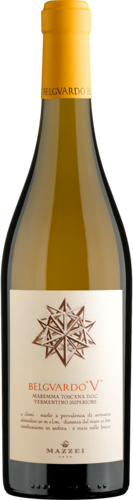
Vermentino
The white grape of the Tuscan coast, spicy, fresh and with a slight bitterness.
About vermentino →
A castle in Chianti, since the fifteenth century
In the fifteenth century, Castello di Fonterutoli, near Castellina in Chianti, came into the Mazzei family's hands through a marriage. The estate is still the family's home. One of their ancestors, the notary Ser Lapo Mazzei, was already writing about wine from Chianti in the fourteenth century; the Chianti Classico Riserva is named after him. Another ancestor, Filippo Mazzei, moved to America in the eighteenth century and was friends with Thomas Jefferson. The Philip cabernet sauvignon is named after him.
At Fonterutoli, everything revolves around sangiovese. The family spent decades researching different types of the grape, and uses them in its Chianti Classico, Riserva and Gran Selezione. With Siepi and Concerto, Mazzei also makes Super Tuscans, in which sangiovese is blended with merlot or cabernet sauvignon. On the coast, in the Maremma near Grosseto, lies the Belguardo estate, with vermentino, rosé, morellino and Bordeaux grapes. And near Noto, in southeastern Sicily, the family has the Zisola estate, with nero d'avola and white Sicilian grapes.
In brief
Eleven bottles, from vermentino to Gran Selezione
At the top are the white wines and rosé from the coast and Sicily. Then the red wines from Fonterutoli, from Chianti Classico to Gran Selezione, two Super Tuscans, and finally reds from Maremma and Sicily.
Mazzei Belguardo Vermentino
One hundred percent vermentino from the Tuscan coast. Juicy, with wild peach, tropical fruit and fresh green herbs.

Mazzei Codice V
Vermentino from vines originally brought from Corsica. Powerful and mineral, with a slight bitterness.

Mazzei Zisola Bianco
Grillo and catarratto from the Zisola estate near Noto. Fresh and floral, with minerality.

Mazzei Belguardo Rosé
An unusual rosé made from sangiovese and syrah. Fresh and floral, with cherries.
Fonterutoli Chianti Classico
The castle's Chianti Classico, mainly sangiovese with some merlot. Cherries, violets and fresh acidity.

Mazzei Ser Lapo Riserva
Named after the ancestor Ser Lapo Mazzei. Aged longer and fuller than the regular Chianti Classico.
Castello Fonterutoli
The estate's finest sangiovese, aged for twenty months in French oak. The highest tier of Chianti Classico.

Mazzei Poggio Badiola
An approachable red made from sangiovese with merlot. Elegant and soft, with red berries and cherries.

Mazzei Siepi
Half sangiovese, half merlot, aged for eighteen months in French oak. Plum, berries and tobacco.

Mazzei Bronzone
One hundred percent sangiovese from Maremma, where the grape is called morellino. Rich, with cherries, berries and spices.
Mazzei Zisola Noto Rosso
Nero d'avola from the family's Sicilian estate. Ripe and full-bodied, with dark fruit.
What exactly is the difference between Chianti, Chianti Classico, riserva and Gran Selezione? You can read about it on our Chianti page.
Cherries, herbs and fresh acidity
Cherries & violets
The red wines made from sangiovese smell of cherries, violets and dried herbs. The aged wines also develop notes of tobacco, leather and spices. The Super Tuscans with merlot are riper, with plum and berries.
Fresh and full-bodied
Sangiovese has fresh acidity and firm tannins, and you can taste that in every Fonterutoli chianti. Siepi and Concerto are fuller and rounder due to the merlot or cabernet.
Herbal and mineral
The vermentino is juicy and herbal, with a slight bitter note. The Sicilian white wines from Zisola are fresh and mineral.
Flavor profile of the Fonterutoli Chianti Classico. Castello Fonterutoli and Siepi score higher in intensity, while the vermentino and rosé score lower.
How to serve Mazzei
Red just below room temperature, white and rosé chilled, and Gran Selezione and Super Tuscans given some air first.
Red at 16 to 18 degrees
Serve Chianti Classico and Poggio Badiola at around 16 degrees. A riserva, Gran Selezione or Super Tuscan can be served at 17 to 18 degrees. If the bottle is in a warm room, place it in the refrigerator for fifteen minutes.
More about serving temperature →Let Gran Selezione breathe
Castello Fonterutoli, Siepi and Concerto are often still somewhat closed when young. Pour them into a decanter half an hour to an hour before the meal, so the fruit and herbs come through better.
Decanters →White and rosé at 8 to 10 degrees
Serve the vermentino, Zisola Bianco and rosé well chilled, at 8 to 10 degrees. Codice V is fuller and can be served slightly warmer, at around 11 degrees.
More about serving temperature →Mazzei at the table
Mazzei wines are made for Tuscan cuisine: pasta, grilled meat, game, olive oil and cheese. The white wine from the coast also gives you something to serve with fish.
Pasta and pizza
Chianti pairs well with pasta with tomato sauce or ragù, pizza, lasagne, salami and pecorino. Its fresh acidity balances the tomato.
Meat and game
The aged wines pair well with bistecca alla fiorentina, stews, wild boar and aged Parmesan.
Lamb and entrecôte
The fuller wines with merlot or cabernet pair well with lamb, entrecôte and a rich mushroom risotto.
Fish and antipasti
Vermentino pairs well with fish, prawns and dishes with fresh herbs. The rosé is delicious with antipasti and barbecue.
The right glass for Mazzei
Pour Chianti Classico into a generous red wine glass and Castello Fonterutoli or Siepi into a tall, large bowl. Use a smaller glass for the vermentino and rosé.


Everything you still wanted to know about Mazzei
Can't find your question here? Read more about wine and food, or get in touch.
To wine and food →What is Mazzei?
What is the difference between Fonterutoli Chianti Classico and Castello Fonterutoli?
Is Mazzei a Super Tuscan?
How much alcohol is in Mazzei?
Which glass do you use for Chianti?
What do you eat with Mazzei?
Buy Mazzei
Want the bottle at home right away? Order Mazzei online from Gall & Gall. Gall & Gall has 24 in stock.
Mazzei Belguardo Vermentino

Mazzei Zisola Sicilia Noto Rosso
Prices from October 8, 2026, as reported by Gall & Gall. You can find the current price and availability at Gall & Gall. Glazen.nl receives a small commission if you buy something through these links; you pay nothing extra. Under 18, no alcohol.