Veneto
Veneto is the wine region around Venice and Verona, in northeastern Italy. It's the home of valpolicella, ripasso, and the powerful amarone, as well as fresh white soave, light bardolino from Lake Garda, plenty of pinot grigio, and prosecco.


Wines from Veneto, by type
Veneto has a few wines you'll come across everywhere. We've made a dedicated page for four of them, from light bardolino to full-bodied amarone.

Valpolicella
Veneto's best-known red wine, with the differences between classico, superiore, and ripasso explained.
About valpolicella →
Amarone
The heavyweight of Veneto, made from grapes left to dry for months after harvest.
About amarone →
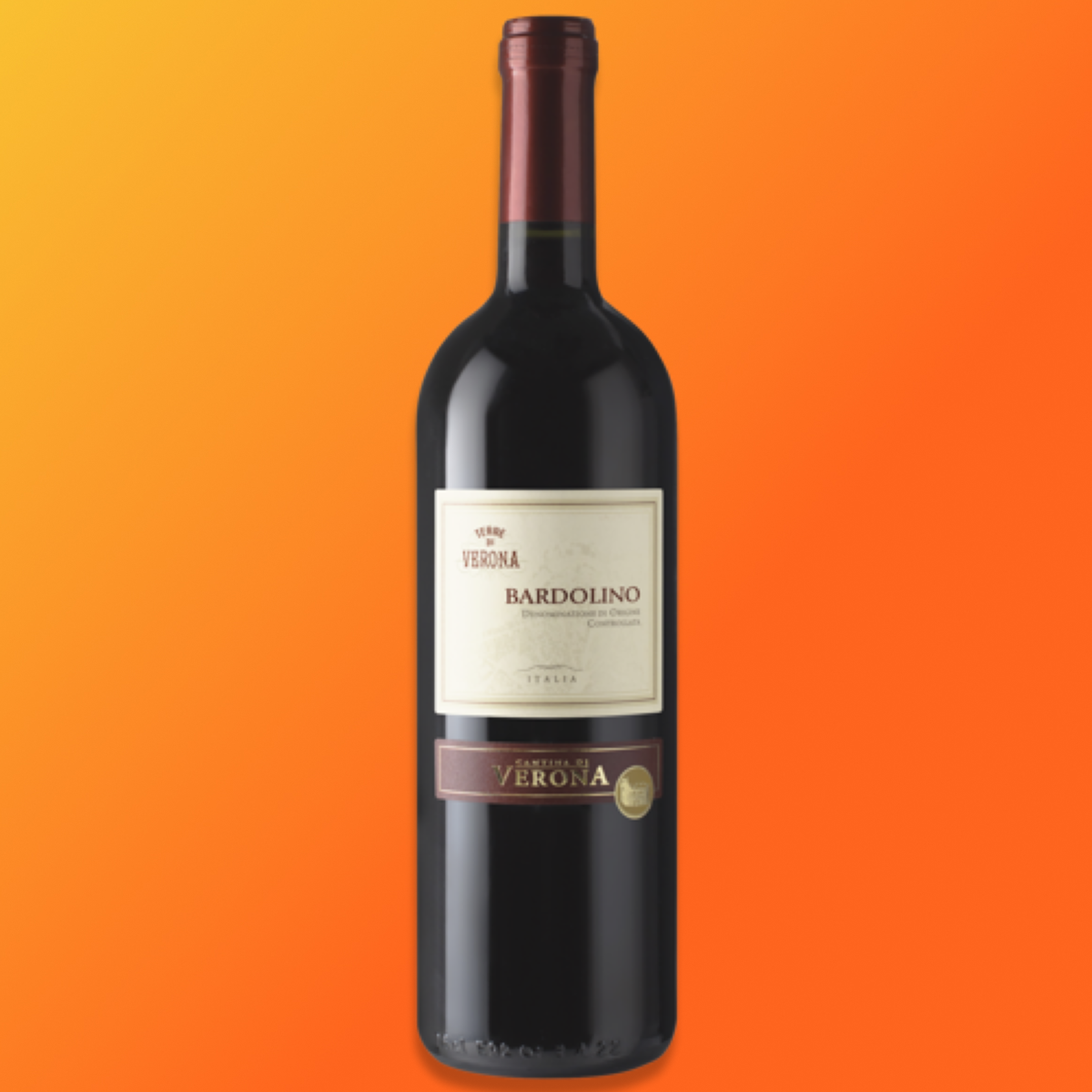
Bardolino
The light red wine from the shores of Lake Garda, lovely served slightly chilled.
About bardolino →
Pinot Grigio
The white grape that grows on a massive scale in northeastern Italy, producing fresh, approachable wine.
About pinot grigio →From Lake Garda to the Prosecco hills
Veneto lies in northeastern Italy, between Lake Garda to the west and Venice and the Adriatic Sea to the east. The region produces a lot of wine, from simple Pinot Grigio to some of Italy’s most famous red wines. The best-known wine region lies in the hills north of Verona: Valpolicella. There, they make red wine from local grapes, mainly Corvina, supplemented by Rondinella and sometimes Molinara. A regular Valpolicella is light and fruity, with notes of cherry and a slight bitterness.
What makes Valpolicella special is the drying of the grapes. For Amarone, winemakers leave the harvested grapes to dry on racks or mats for a few months, so they lose water and the juice becomes more concentrated. They then ferment the grapes until dry. The result is a full-bodied, powerful wine, often with 15% alcohol or more. If sugar remains, the wine is called Recioto: a sweet dessert wine. Ripasso falls between the two: regular Valpolicella that is fermented again on Amarone skins, making it fuller and rounder. Bardolino, with its light, fresh red wines, lies on the eastern shore of Lake Garda. In Soave, they make white wine from Garganega. Further east, in the hills near Conegliano and Valdobbiadene, lies the heart of Prosecco country.
In brief
Seven bottles, from Bardolino to Recioto
The red wines below increase in intensity: from light and fresh to full-bodied and robust, and finally sweet. Then come two white wines to pair with fish or serve as an aperitif.

Masi Frescaripa Bardolino
Light and juicy red wine from the shores of Lake Garda, with plenty of cherry fruit. Delicious served slightly chilled.
Zonin Valpolicella Classico
Light, smooth and easy to drink, made from the region’s typical grapes: corvina, rondinella and molinara.

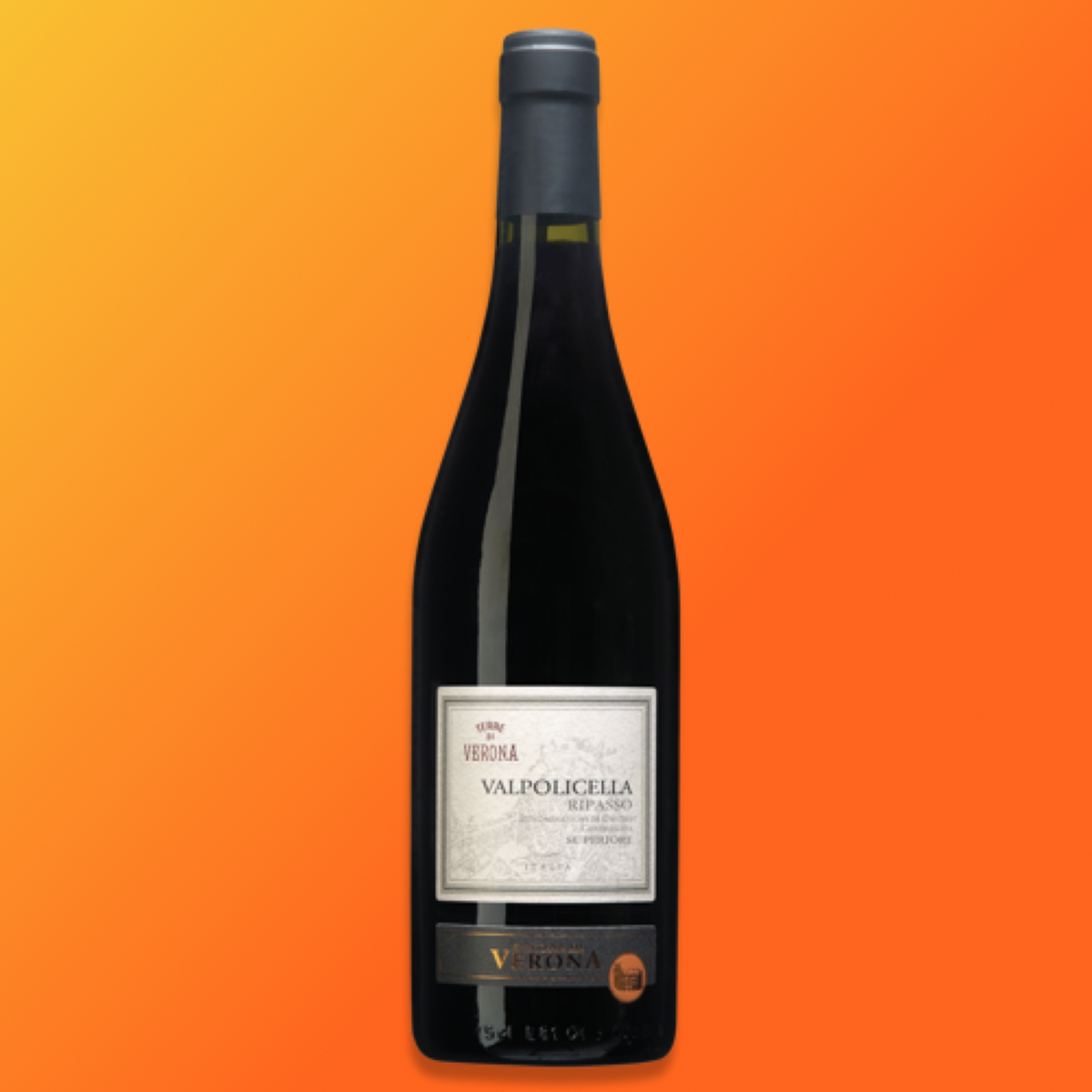
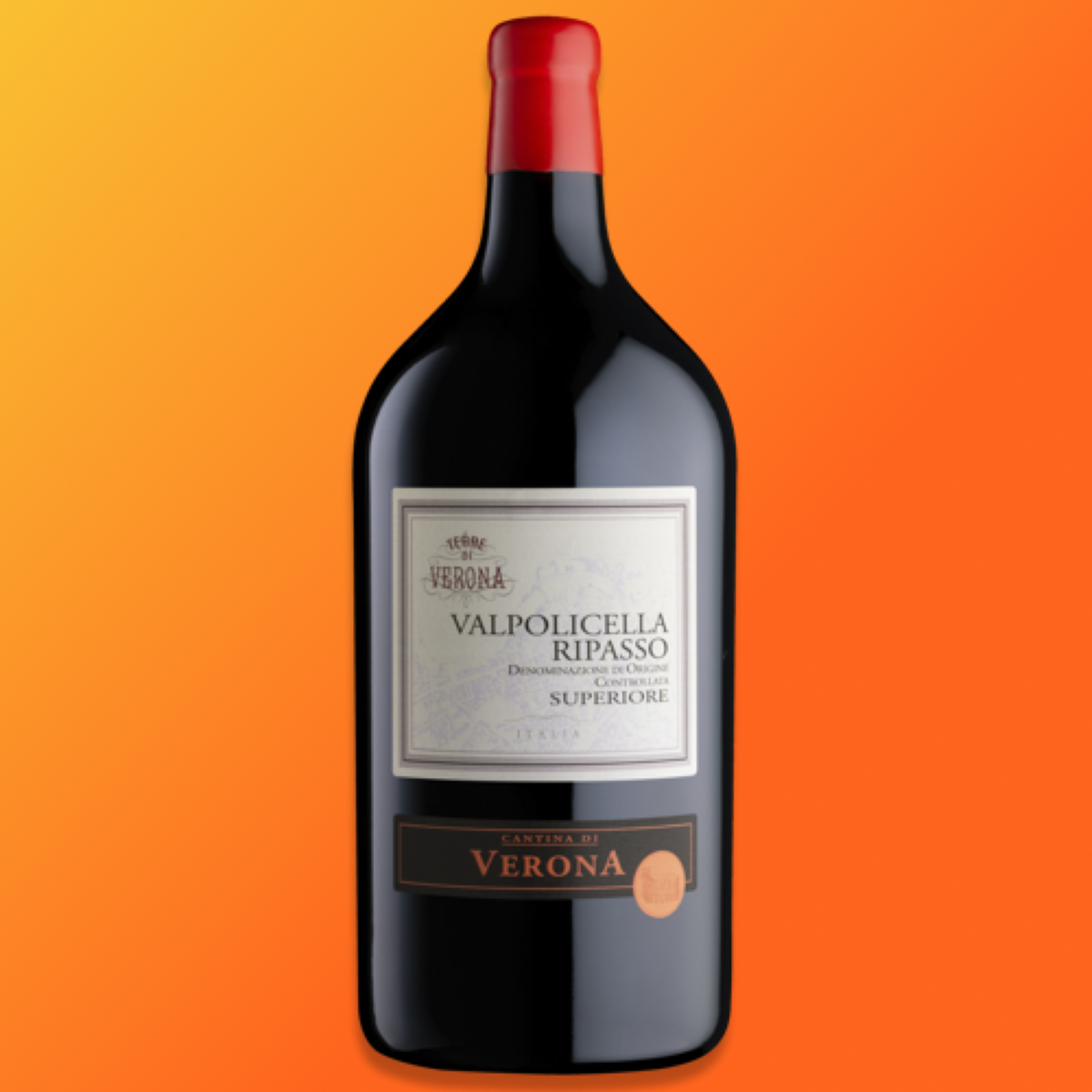
Cantina di Verona Valpolicella Ripasso
Valpolicella that undergoes a second fermentation on amarone grape skins. This gives it more power and a rounder taste.
Masi Costasera Amarone Classico
Made from dried grapes that have fermented to dryness. Full-bodied and rich, with ripe cherries, dried fruit and a slightly bitter finish.

Recioto della Valpolicella
Also made from dried grapes, but here not all the sugar is converted into alcohol. The result is a sweet red wine.

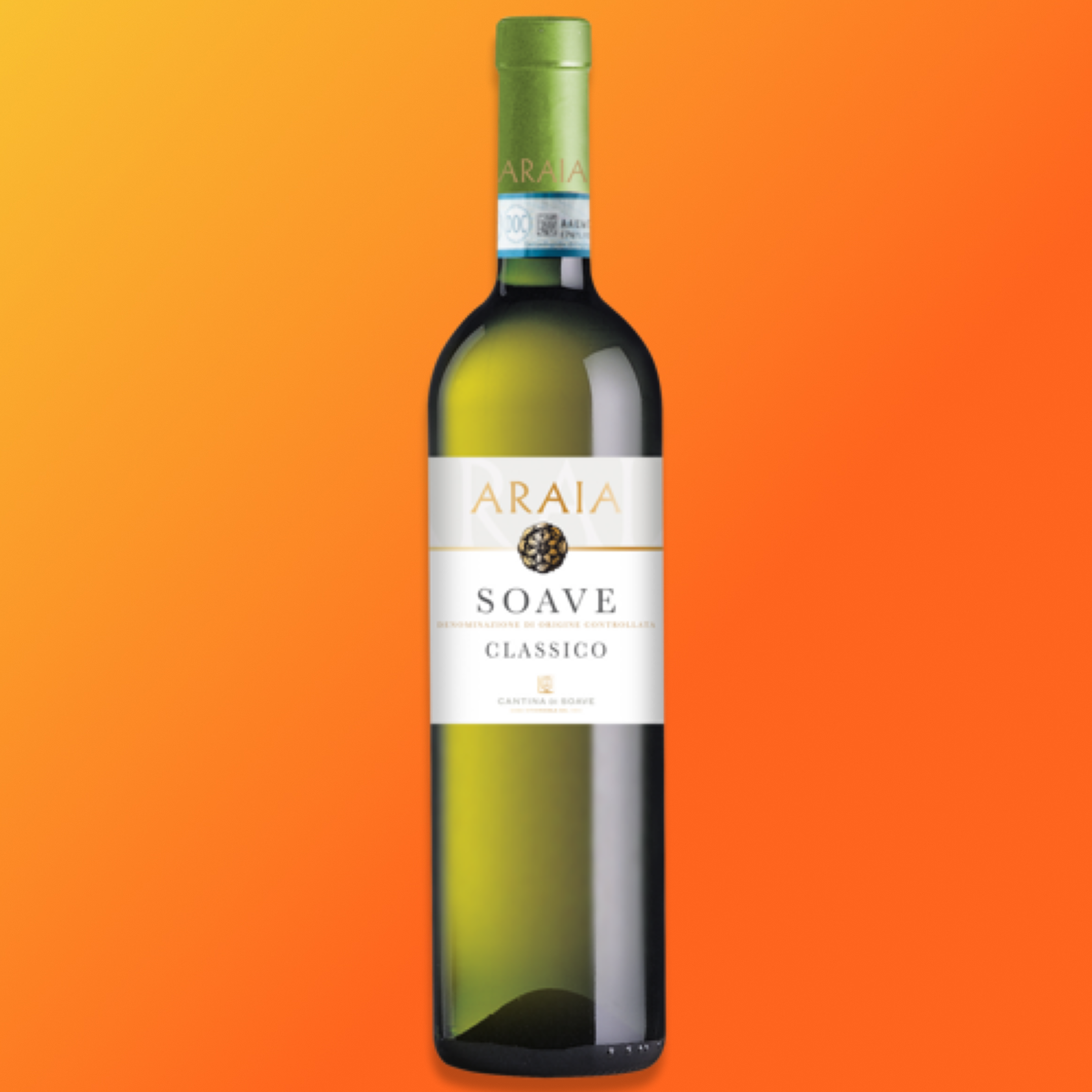
Zonin Soave Classico
Classic white wine from northern Italy, made from 100% Garganega. Green apple, white blossom and almond.
Terre di Verona Pinot Grigio
Fruity Pinot Grigio with freshness and flavors of apple, pear and citrus. An easy-drinking wine for gatherings.
How are the grapes dried, and what’s the difference between Ripasso and Recioto? Find out on our Amarone page.
Cherries, dried fruit and a hint of bitterness
Cherries & raisins
A young Valpolicella or Bardolino smells of fresh red cherries. With Ripasso and Amarone, the aromas shift toward ripe cherries, plums, raisins and figs, with notes of chocolate, spices and sometimes coffee.
From light to full-bodied
Bardolino and Valpolicella are light and juicy, with soft tannins. Ripasso is rounder and fuller. Amarone is bold and warming, with plenty of alcohol and a velvety, almost sweet impression, even though it’s dry.
Slightly bitter
Many red wines from Valpolicella finish with a slight bitterness of cherry stone or almond. The name Amarone refers to this, too: amaro is Italian for bitter.
Flavor profile of a typical Valpolicella Ripasso. Amarone scores even higher for body, while Bardolino and regular Valpolicella score much lower and higher for freshness.
How to serve wine from Veneto
Chill light reds, serve Amarone just below room temperature and let it breathe a little, and serve white wine and prosecco cold.
Chill Bardolino and Valpolicella
Bardolino and regular Valpolicella are light wines. Serve them at around 14 to 16 degrees to keep them fresh and juicy. Half an hour in the fridge is enough. Ripasso can be served a little warmer, at around 16 to 17 degrees.
More about wine temperature →Let Amarone breathe
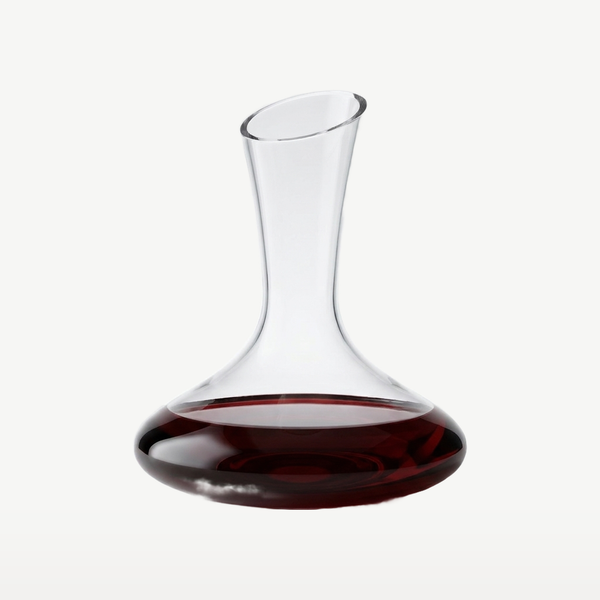
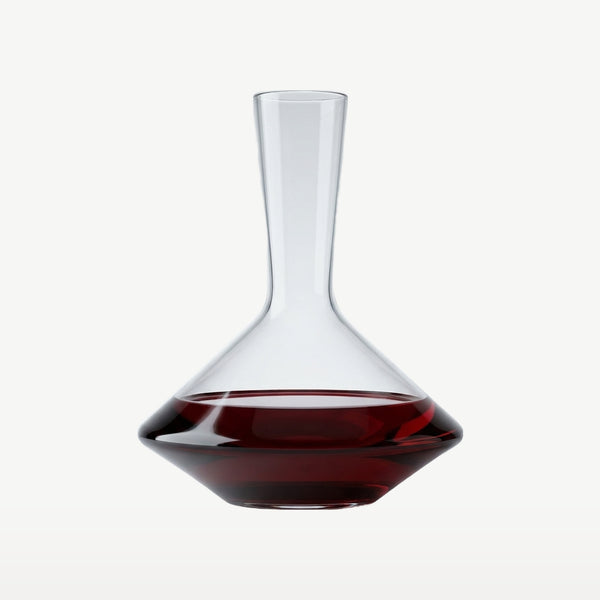
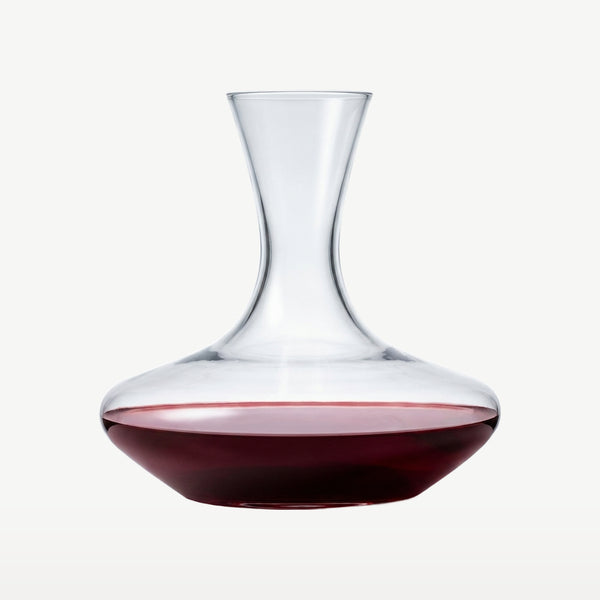
Serve Amarone at 16 to 18 degrees in a large glass. It’s a powerful wine that benefits from oxygen: pour it into a decanter an hour beforehand, or open the bottle well in advance. Pour small servings; at 15% alcohol or more, it’s not a thirst quencher.
Decanters →Chill the white wine and prosecco
Serve Soave, Pinot Grigio, and Lugana at 8 to 10 degrees. Prosecco can be served a little colder, around 6 to 8 degrees. Serve Recioto, the sweet red, slightly cooler than Amarone, at around 14 to 16 degrees, in a small glass.
More about decanting →Veneto wine at the table
Veneto's cuisine revolves around risotto, polenta, fish from the lagoon, and hearty stews. There is a local wine to pair with each of these dishes.
Pasta and cold cuts
Light reds pair well with tomato pasta, pizza, cold cuts, and poultry. A lightly chilled Bardolino can even be served with fish, such as grilled salmon or tuna.
Risotto and stew
Ripasso calls for heartier food: mushroom risotto, stew, lasagna, or a piece of roast meat. It also goes well with game.
Game and aged cheese
Amarone pairs well with game, slow-cooked beef, and risotto all'amarone. A classic pairing is aged, hard cheese such as Parmigiano or Monte Veronese. Or enjoy it after dinner, just as it is.
Fish and antipasti
Soave and Pinot Grigio pair well with fish, shellfish, antipasti, and light pasta dishes. Recioto, the sweet red, goes well with chocolate cake or desserts with red fruit.
The right glass for wine from Veneto
Amarone or Ripasso needs a large glass so its rich aromas of cherries and dried fruit can develop. A regular red wine glass is enough for Bardolino and Valpolicella, a smaller glass for Soave, and a flute for Prosecco. These are the glasses we recommend.


Everything you still wanted to know about wine from Veneto
Is your question not listed? Read more about wine and food, or get in touch.
Food and wine →What kind of wine comes from Veneto?
What is the difference between Valpolicella, Ripasso, and Amarone?
What is recioto?
How much alcohol does amarone contain?
What glass should you use for amarone?
What should you eat with amarone?
Buy wine from Veneto
Want the bottle delivered to your door? Order wine from Veneto online at Gall & Gall. Gall & Gall has 40, two of which are on sale.
Cantina di Verona Valpolicella Ripasso
Prices as of November 25, 2026, as provided by Gall & Gall. You can check the current price and stock at Gall & Gall. Glazen.nl receives a small commission if you buy something through these links; it won't cost you anything extra. No one under 18, no alcohol.