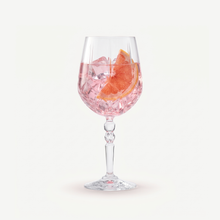
Bormioli Rocco Uno Inalto Wine Glass 47 Cl - 6 Pieces

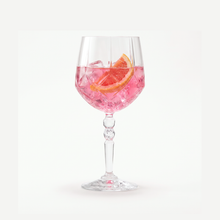
Spiegelau Definition Wine Glass 55 Cl - 6 Pieces
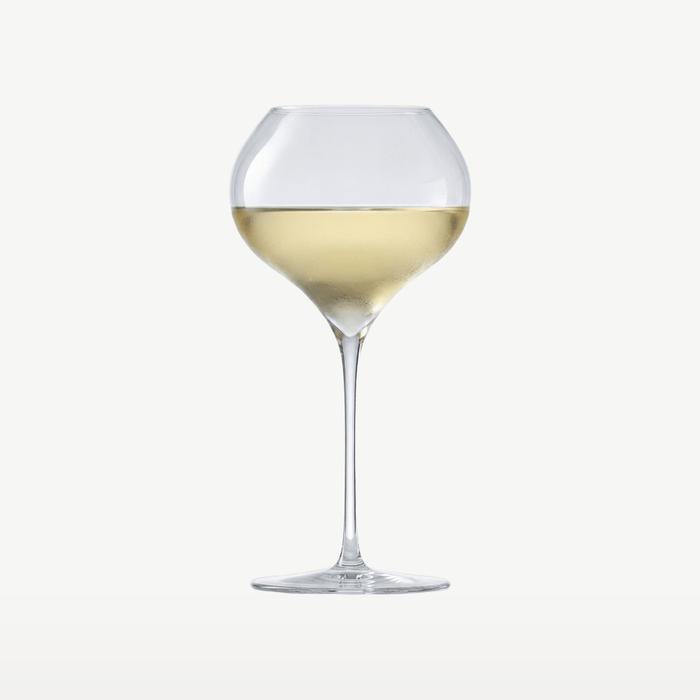
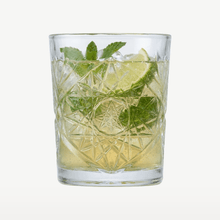
Lehmann Grand Blanc Wine Glass 54 Cl - 6 Pieces
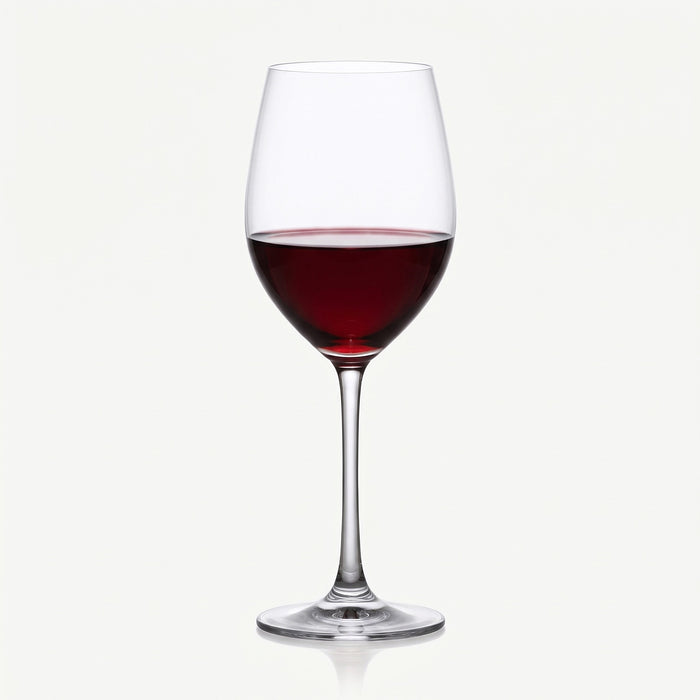
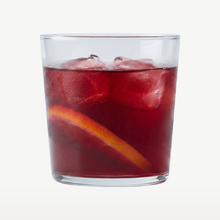
Spiegelau Vino Grande Wine Glass 42 cl - 2 Pieces

How to pour
a Sangiovese in
Put the bottle in the fridge for half an hour, or in an ice bucket with water and ice for fifteen minutes. In a heated home, room temperature can quickly reach 21 degrees, bringing the alcohol to the fore and dulling the freshness. Between 16 and 18 degrees, Sangiovese’s acidity balances its tannins.
Cut all the way around the capsule below the ridge on the neck, and wipe the rim of the bottle clean. Center the corkscrew spiral on the cork and twist it straight down until just before the end, then pull the cork out in one smooth motion.
A young, simple Sangiovese is ready to pour straight into the glass. A Brunello or riserva that smells closed usually opens up after half an hour in a decanter. With an old bottle, pour gently and leave the sediment in the bottle.
Pour until the glass is about one-third full. You'll need the space above to swirl, and with this grape, that's the difference between tasting only the acidity and also smelling the cherry, herbs, and leather.
What did you think of this guide?
One click on a star is enough. If you'd like to add a comment, we'll review it before it's posted here.
Save this page
Send this page to your own email so you have the information at hand when you pour. You'll also get a € 5 discount code for purchases over € 50, to use on the glasses that go with it.
The story
Sangiovese grows throughout Italy, but Tuscany is its home, where it has a different name in each region. In Montalcino, it's called Brunello and produces the fullest wine, one that takes the longest to age. In Montepulciano, it goes into Vino Nobile as Prugnolo Gentile. In Maremma, on the coast, it's called Morellino. And in Chianti, it's the main grape in a wine that's fresh and spicy rather than heavy. Clones, soil, and elevation make a difference, but the grape underneath remains the same: high acidity, firm tannins, and that distinctive sour cherry.
The right glass
Sangiovese needs air, but not an enormous bowl. Its acidity and tannins come through best in a medium-sized bowl of roughly 45 to 55 cl, with a slightly inward-curving rim to keep the aromas concentrated. Our first choice is, according to the product description, shaped specifically for this grape and comes as two mouth-blown glasses in a gift box; the second is the all-round size you reach for on weekdays. Compare them in the red wine glasses, and find the really large bowls in the large wine glasses.

Zwiesel Glas Enoteca Chianti Glass 55.3 cl in Gift Box (2 pieces)

Schott Zwiesel Classico Red Wine Glass 54.5 cl (6 pieces)
Both sets together € 137,85.
The right tools
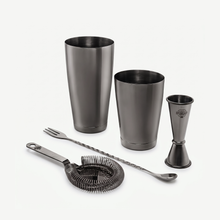
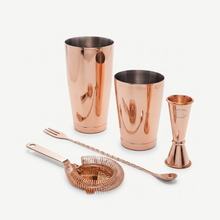
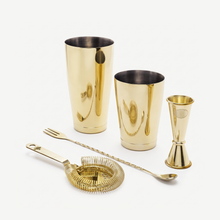
For Sangiovese, alongside the glass, all you really need is a corkscrew, and for a young Brunello or Riserva, a decanter to let the wine breathe for a while. If there's any wine left in the bottle, a wine stopper will keep it tasting good for another day or two. The bar tools below only come in handy if you're making a cocktail: a bar spoon for stirring and a jigger for measuring. These are the bar tools we use ourselves; find them all in our bar tools & cocktail sets.


Glassware set (our pick 01) + 2 bar tools together € 115,80.
What should you pour alongside?
Sangiovese is rarely served on its own. These are the wines that accompany an Italian meal, from a glass of prosecco beforehand to a brunello with the main course. Each drink page tells you the alcohol percentage, what it tastes like, which cocktails it goes with and which glass you need.


Variations & twists
The same grape produces very different bottles. Chianti Classico is fresh and spicy, with sour cherry and a spicy edge. Brunello di Montalcino is fuller, darker and aged for a long time in oak. Vino Nobile di Montepulciano falls somewhere in between in terms of body. Morellino from the warm Maremma is rounder and smoother. And on the other side of the Apennines, in Romagna, the grape simply appears as Sangiovese on the label. Want to read more? See all drinks and brands.
Serving tip
Sangiovese is a food wine. Its high acidity can taste sharp on its own, while it comes alive with food. Tomato sauce is the classic pairing, because the acidity in the sauce and in the glass balance each other. It also pairs well with grilled beef, pecorino, salami and pasta with ragù. Serve at 16 to 18 degrees.
Good to know
Why Sangiovese tastes so acidic
Sangiovese ripens late and retains much of its natural acidity, even when its sugar levels are already right. In the glass, you notice this as a fresh, almost tingling first impression and a long, dry finish. That acidity is not a flaw but the reason the wine works so well with food: it cuts through fat and salt and makes the next bite feel light again.
The same grape, different names
In Montalcino, Sangiovese is called Brunello; in Montepulciano, Prugnolo Gentile; and in the Maremma, Morellino. These are local names and local selections of the same grape, not different varieties. This explains why a Brunello and a Morellino are related yet taste so different in the glass: the soil, elevation and aging determine the rest.
What tannins do to your mouth
Tannins come from the skins, seeds and oak, and bind to the proteins in your saliva. This makes your mouth feel dry and a little rough. With meat, aged cheese or a rich sauce, the tannins bind to those instead, and the dry feeling disappears. Sangiovese has plenty of tannins, making it a classic table wine.
Why 16 to 18 degrees and not room temperature
The old rule of thumb about serving wine at room temperature comes from homes that were much cooler than ours. Above 20 degrees, Sangiovese smells broad and alcoholic and loses its freshness. Half an hour in the refrigerator is usually enough to bring a bottle from room temperature into the right range. Too cold is unpleasant too, because then the tannins feel harsh.
How much alcohol it contains and how long it keeps
Sangiovese usually has roughly 12.5 to 14.5 percent alcohol; the percentage is shown on the label. An everyday bottle is best enjoyed within a few years, while a riserva or Brunello can age for years. Once opened, a bottle will keep its flavor for another two to three days in the refrigerator with a stopper, and you should take it out of the cold for a while before serving.
Frequently asked questions
What kind of wine is Sangiovese?
Sangiovese is not a wine but a grape, Italy’s most widely planted red grape. Its wines are medium-bodied, high in acidity and firm in tannins, with flavors of sour cherry, plum, tomato leaf, tea and leather. Chianti, Brunello and Vino Nobile are all made from this grape.
Is Chianti the same as Sangiovese?
Not quite. Chianti is a region in Tuscany, and the wine from there is made mostly from Sangiovese, with a required minimum proportion and room for a few other grapes alongside it. Sangiovese is the grape itself, which is also grown outside Chianti and even outside Tuscany.
What temperature should you serve Sangiovese at, and in what glass?
At 16 to 18 degrees, a little cooler than the room temperature of a heated home. Use a medium-sized glass of roughly 45 to 55 cl with a slightly tapered rim, so the wine gets some air without its aroma immediately wafting away.
What do you eat with Sangiovese?
Anything with tomato, salt or fat. Pasta with tomato sauce or ragù, pizza, grilled beef, salami and pecorino are the obvious choices. The high acidity means the wine is better enjoyed at the table than on your own on the sofa.
Also delicious
Buy Sangiovese
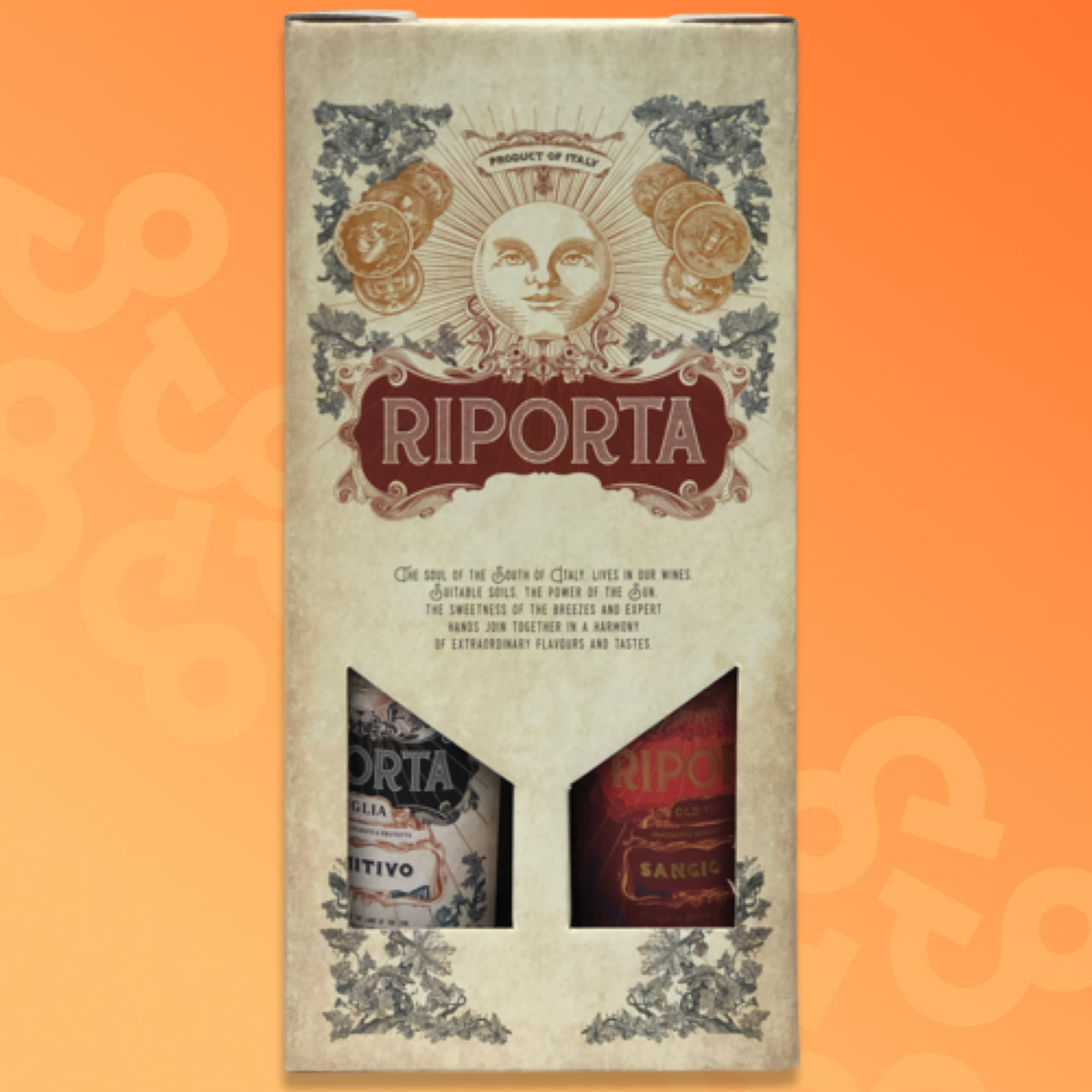
Want the bottle delivered straight to your door? Order Sangiovese online from Gall & Gall.
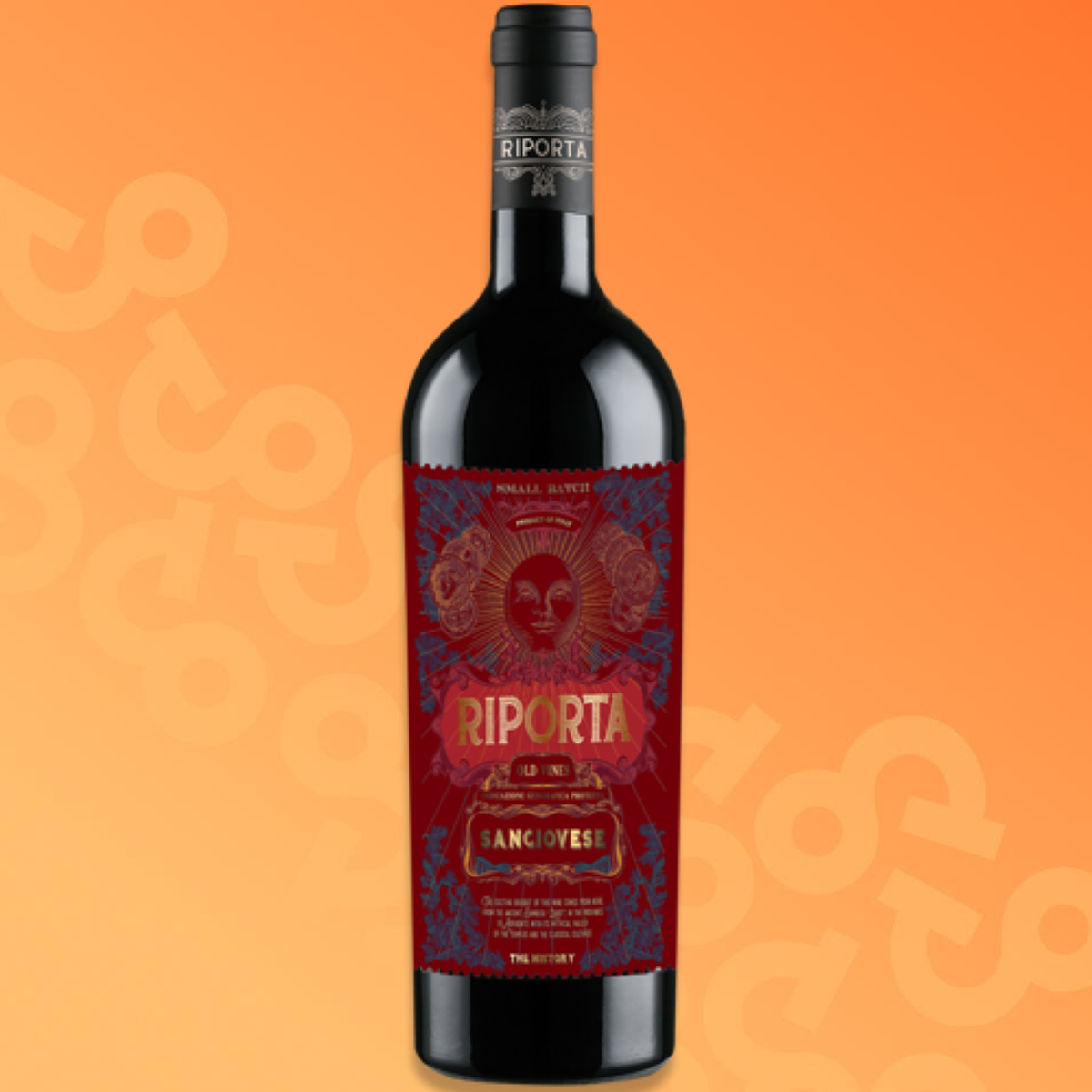
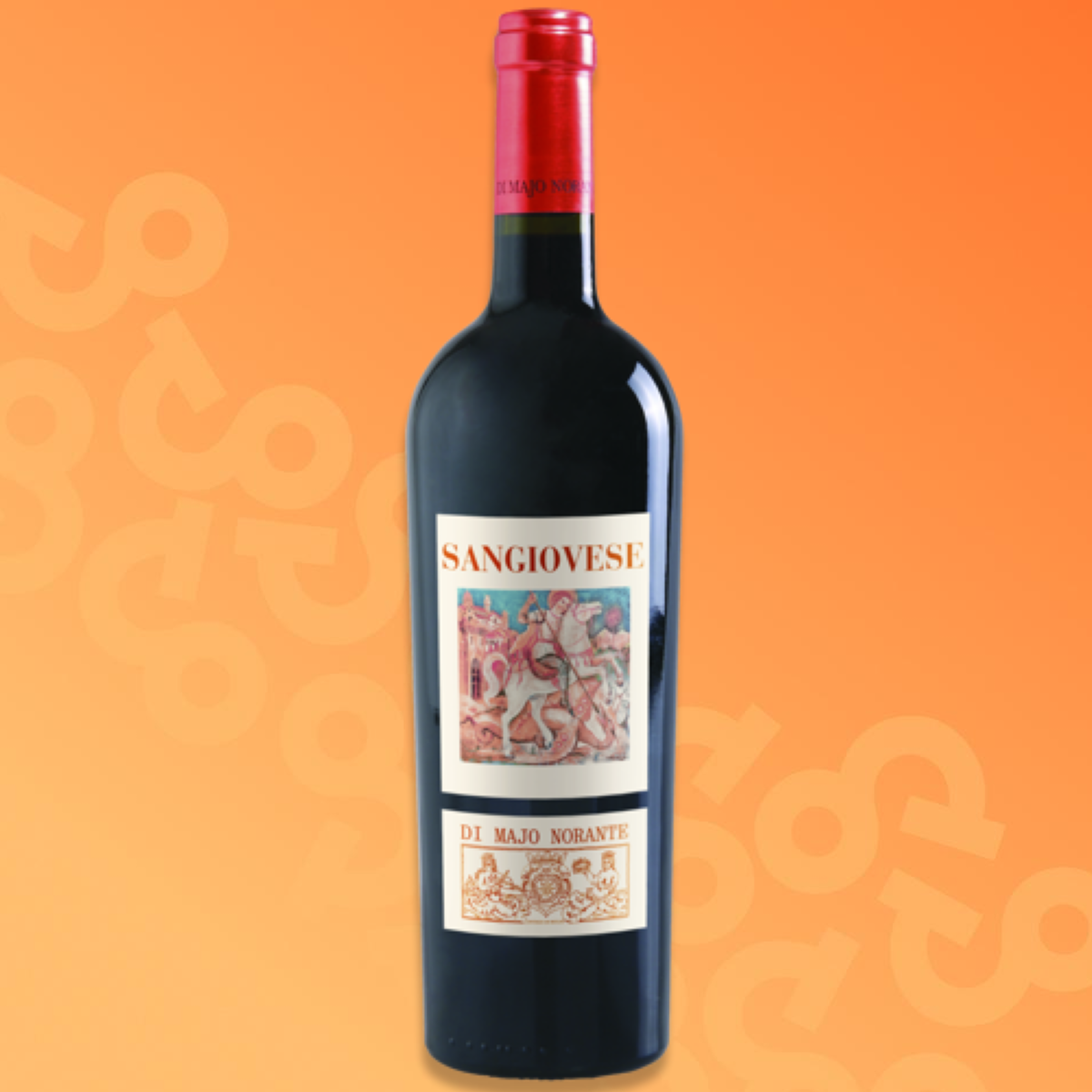
Di Majo Norante Sangiovese
Prices as of November 16, 2026, as provided by Gall & Gall. You can see the current price and stock at Gall & Gall. Glazen.nl receives a small commission if you buy something through these links; you pay nothing extra. No alcohol for anyone under 18.
Everything for your bar,
at one address
Hospitality-quality glasses, sold in sets. Order today, delivered quickly.
Shop for glasses →