

Beerenburg
The Frisian herbal liqueur that was actually invented in Amsterdam. What Beerenburg is, where the name comes from, how to drink it, and which glass to serve it in.


The brands behind Beerenburg
Two northern family businesses, and the German herbal liqueur it’s most often compared with.
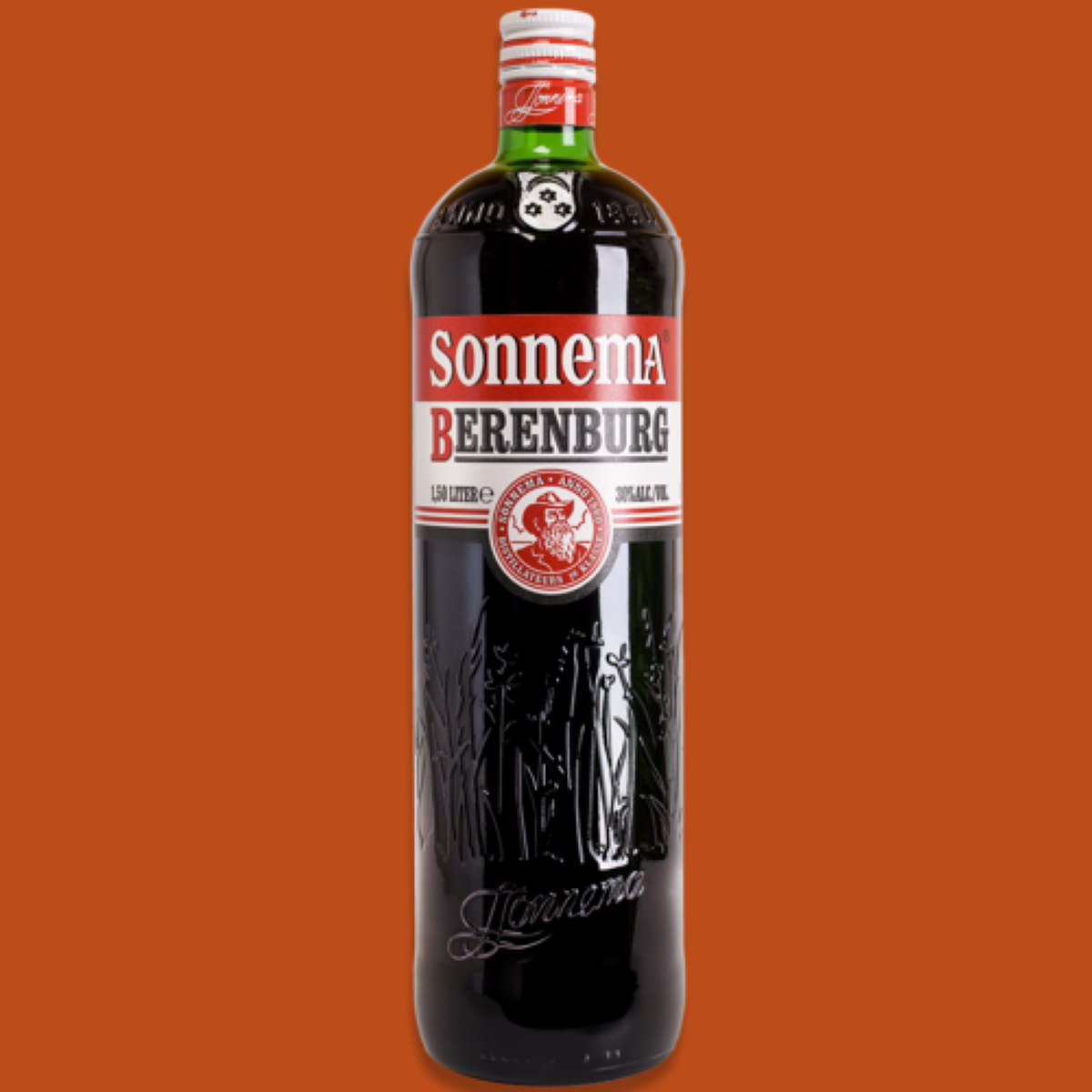
Sonnema Berenburg
The Frisian brand from Bolsward that made the category big, and the bottle found in almost every café in the north.
About Sonnema Beerenburg →Hooghoudt
Groningen family business with two Beerenburgs: the 74-herb version and the calamus version with three more.
About Hooghoudt →Underberg
The German herbal liqueur in a 2 cl bottle, at 44%. Not Beerenburg, but it plays the same role after a meal.
About Underberg →Our spirits page features all the brands we cover, from liqueur to whisky.
Every Beerenburg, listed by brand
2 brands and 5 flavors, each with its own page about taste, cocktails, and the right glass.


Frisian liqueur, an Amsterdam invention
Beerenburg is jenever with an extract of herbs added: juniper, gentian root, bay leaf, and a range of others, depending on the recipe. The result is a dark, bittersweet herbal bitter that is almost always 30% ABV. It is inextricably linked with Friesland, and rightly so: it is made there and drunk there more than anywhere else. But the herbal blend originally comes from Amsterdam.
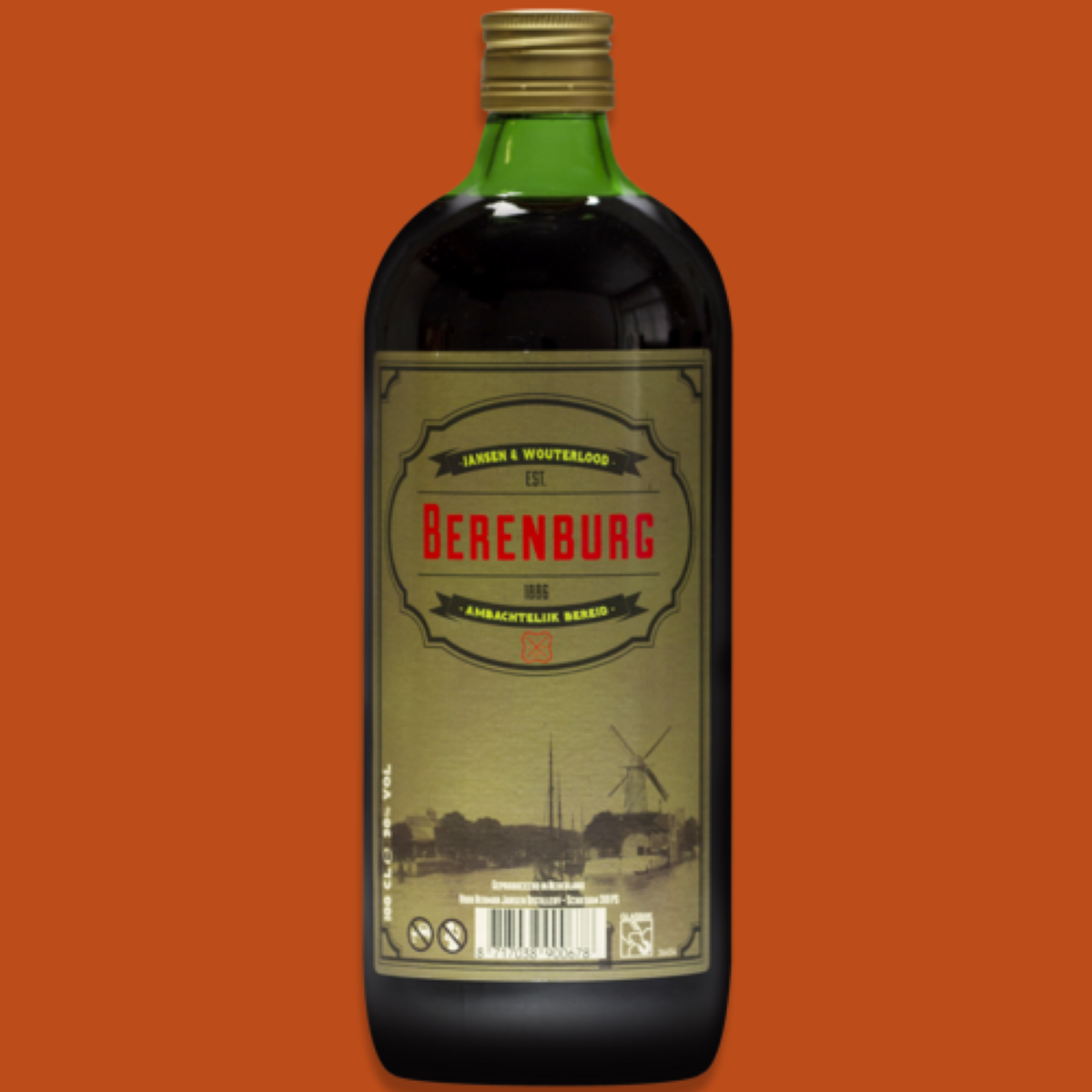
The name refers to Hendrik Beerenburg, an Amsterdam pharmacist who sold a blend of herbs in the eighteenth century that you could steep in jenever yourself. Frisian skippers took it with them, and in Friesland it grew into what it is today. So it has nothing to do with a bear’s fortress, despite that being a common explanation. You’ll come across both spellings: Beerenburg with a double e, and Berenburg, as Sonnema spells it on its label.
In brief
Four bottles, all around 30%
The alcohol percentage is almost always the same. The difference lies in the number of herbs and how bitter the blend turns out.
Sonnema Berenburg
The best-known bottle of all, from Bolsward. Bittersweet and spicy, with a smooth finish. The benchmark for this category.
Hooghoudt Beerenburg 74
From Groningen-based Hooghoudt, with seventy-four herbs in the blend. More complex and more pronounced in bitterness than most.

Hooghoudt Sweet Flag
Made with sweet flag root and seventy-seven herbs. Spicier and slightly sweeter than the 74, with a noticeably warmer finish.
Underberg
Not Beerenburg, but its German counterpart, in 2 cl bottles. Much more bitter and significantly stronger; intended as a digestif.
Sonnema if you’re just starting out, Hooghoudt 74 if you’re looking for something with more pronounced bitterness.
Bittersweet, with gentian and bay leaf
Herbs & juniper
Dried herbs, bay leaf, and juniper, with an earthy note of gentian root underneath. Dark and instantly recognizable.
Bittersweet and warm
Sweet at first, bitter in the middle, with a lingering warmth from the spices. At 30%, it’s much milder than a German herbal bitter.
Long and bitter
The gentian lingers longest and gives it a dry, bitter finish. That's exactly why it works as a digestif.
Flavor profile of Sonnema Berenburg. Hooghoudt 74 scores higher on spice and lower on sweetness; Underberg scores higher across the board.
Three ways to drink beerenburg
In Friesland, it's poured into the glass ice-cold, and it's hard to argue with that: the cold dulls the bitterness just enough.
Ice-cold from the freezer
3 to 4 cl in a small shot glass, straight from the freezer. At 30% ABV, it won't freeze, but it will become syrupy, and the bitter herbs go down much more smoothly.
Glass: shot glass →With cola
5 cl in a long drink glass full of ice, topped up with cola. The cola's sweetness balances the bitterness; it's a regular order at bars in the north of the country.
Glass: long drink glass →As a digestif
4 cl at room temperature after a heavy meal. Herbal bitters were made for just that, and the gentian does the work here. Served warm, you can taste more of the blend.
About herbal bitters →Cocktails with beerenburg
Beerenburg isn't a cocktail base but a digestif. Still, it works surprisingly well as the bitter component in a stirred cocktail.

Boilermaker
Traditionally made with young Dutch gin, but beerenburg is just as common in the north.
Hot Toddy
Hot water, honey, lemon, and cloves. The spices blend right in.
Negroni
Gin, Campari, and sweet vermouth. A splash of beerenburg adds an earthy edge.
Make shots
The complete collection of shot recipes, from layered to ice-cold straight from the freezer.The right glass for beerenburg
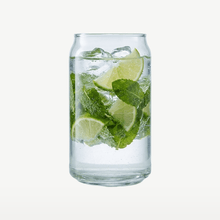
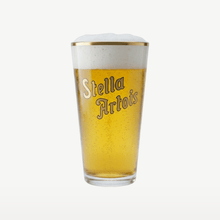
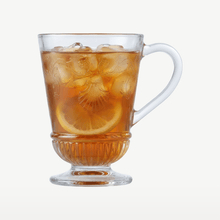
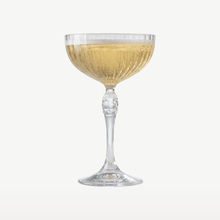
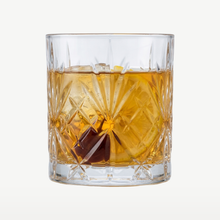
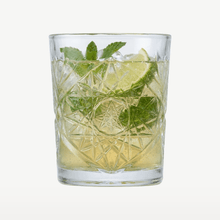
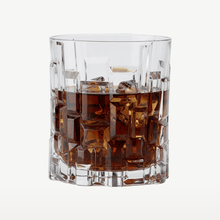
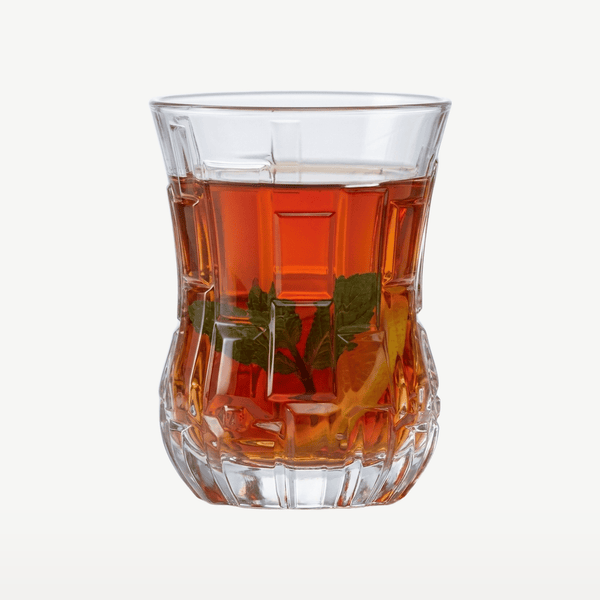
A small shot glass that can handle the freezer, and a long drink glass for mixing with cola. These are the glasses we recommend ourselves.


Everything else you wanted to know about beerenburg
Can’t find your question here? Check out our cocktail recipes or get in touch.
To the cocktail recipes →What is the alcohol content of beerenburg?
Where does the name beerenburg come from?
Is beerenburg Frisian?
What is the difference between beerenburg and berenburg?
What exactly is in beerenburg?
How do you drink beerenburg?
Buy beerenburg
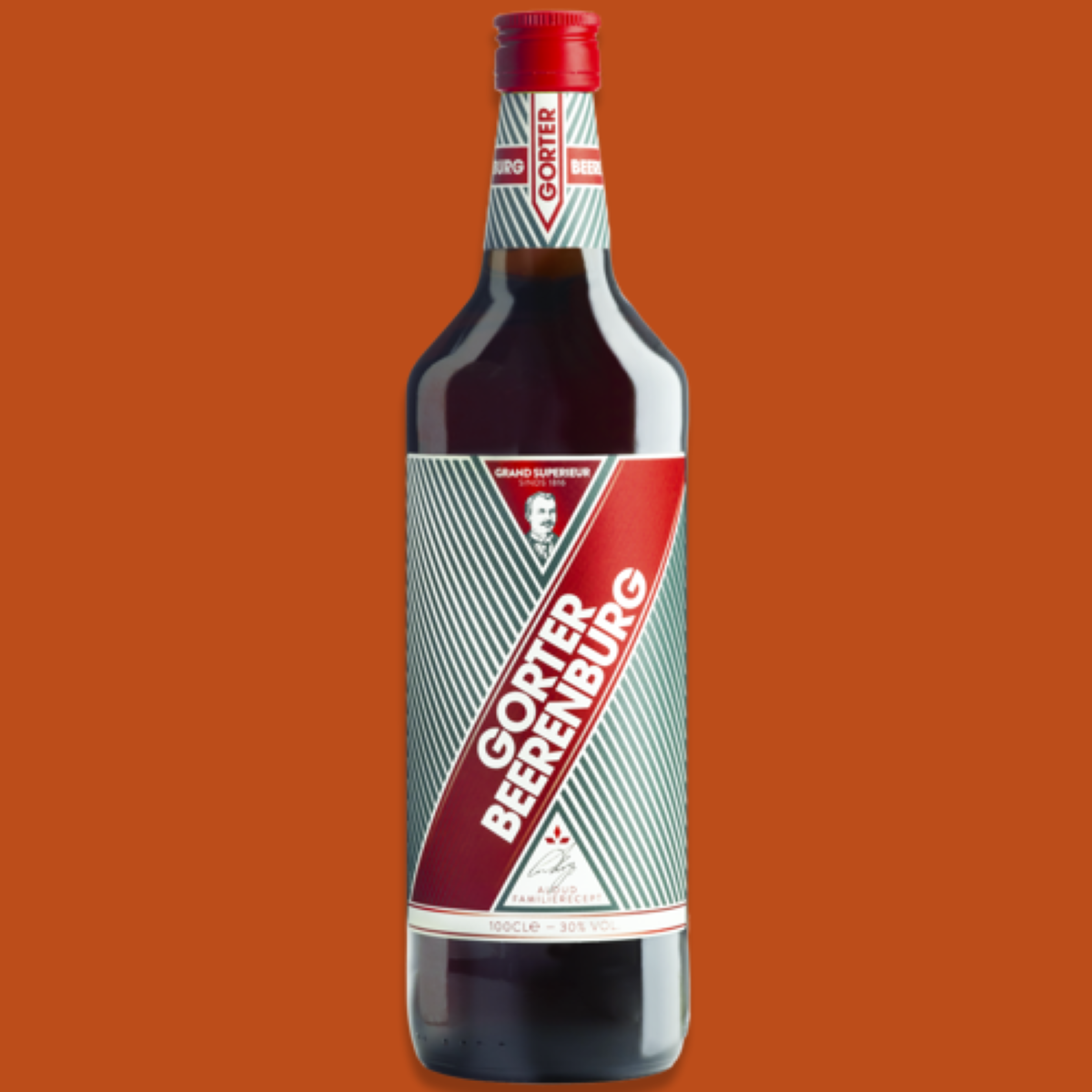
Want the bottle delivered straight to your door? Order beerenburg online from Gall & Gall. Gall & Gall has 19 varieties, 2 of which are on sale.
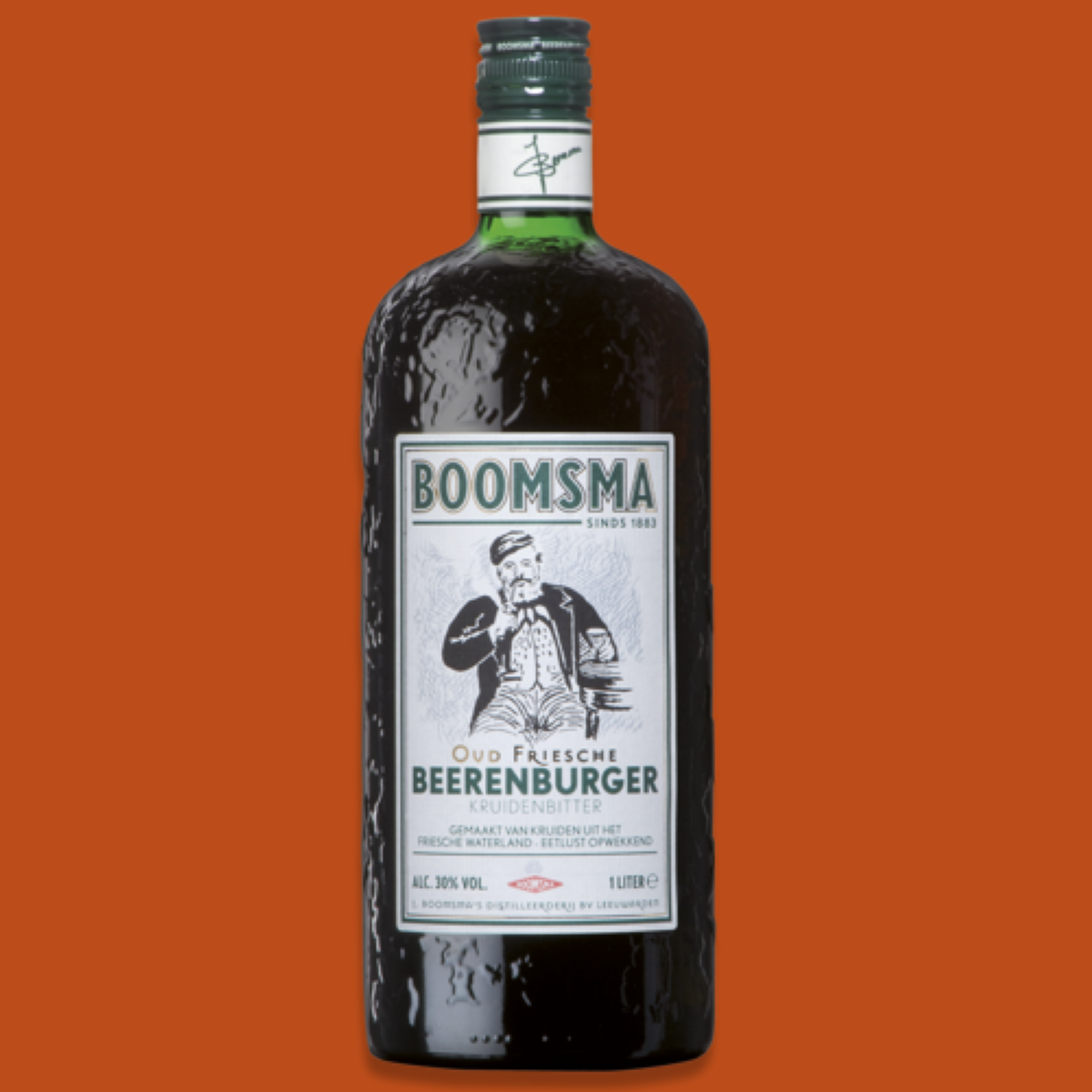
Prices as of November 21, 2026, as provided by Gall & Gall. You can see the current price and stock at Gall & Gall. Glazen.nl receives a small commission if you buy something via these links; it costs you nothing extra. No 18, no alcohol.