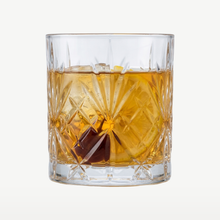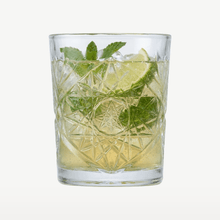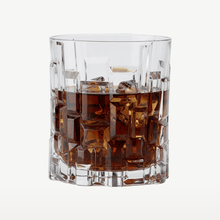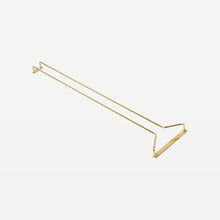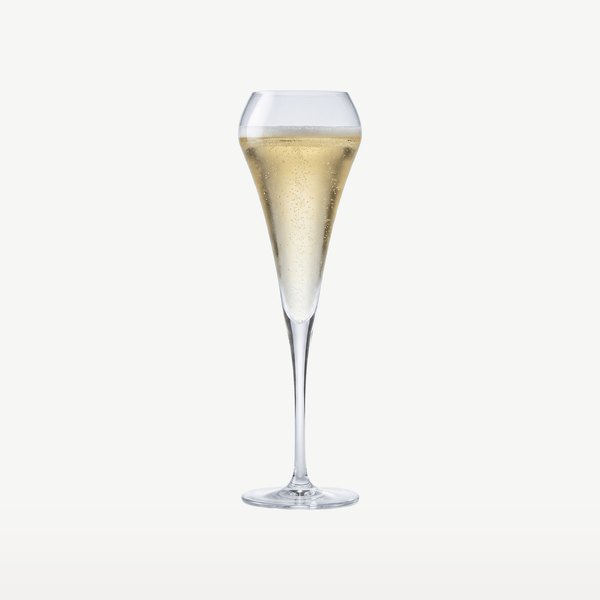
Chef & Sommelier Open Up Champagne Glass / Flute 20 Cl - 6 Pieces
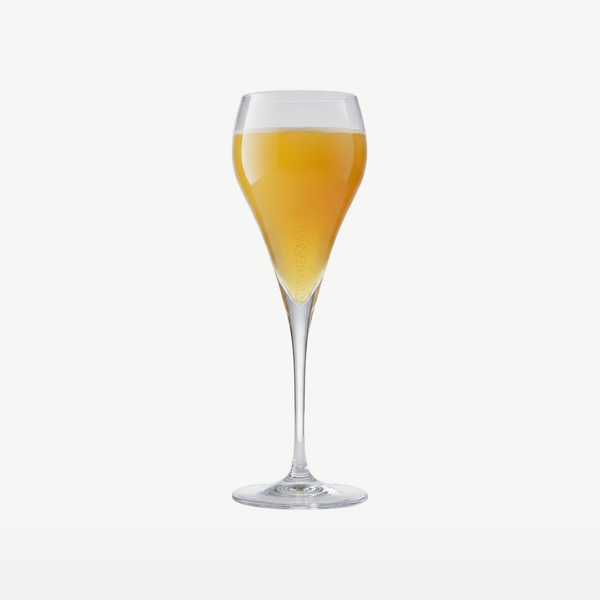
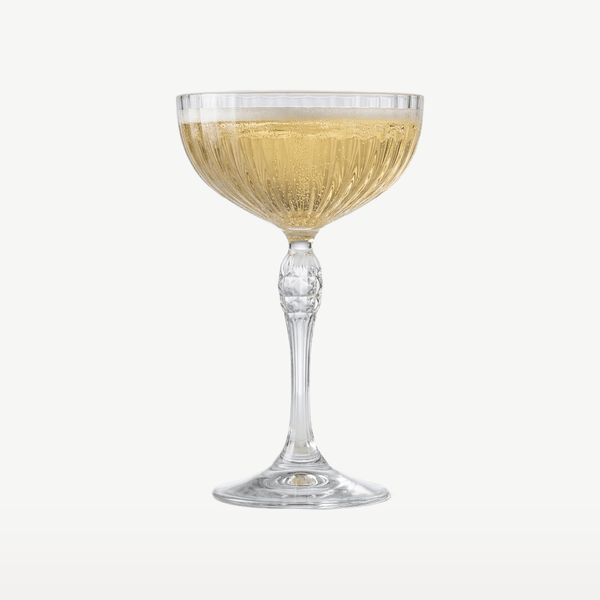
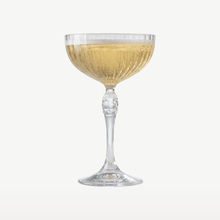
Bormioli Rocco America'20S Champagne Glass / Coupe 22 Cl - 6 Pieces
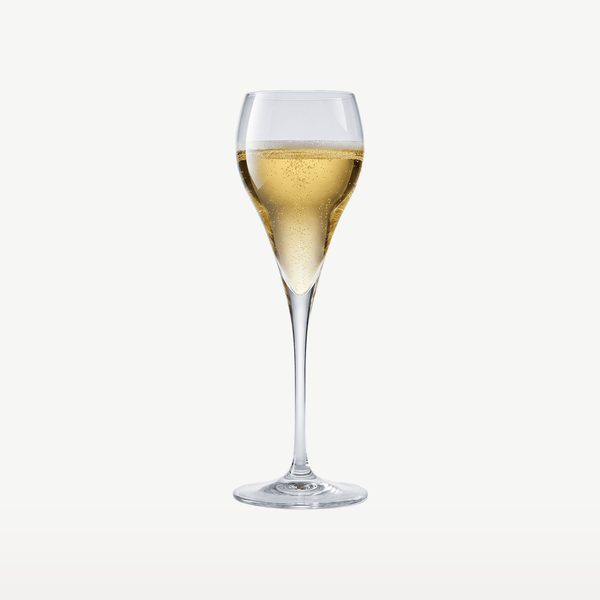
Champagne
A sparkling wine can only be called champagne if it comes from the Champagne region. Here you'll learn what's in the bottle, what brut and demi-sec mean, and which glass best captures the aromas.


The best-known Champagne houses
Five houses you see on almost every shelf. From the oldest house in the region to the world's best-selling bottle.
Moët & Chandon
Based in Épernay since 1743, it sells more champagne than any other house in the world. Its flagship is Brut Impérial.
About Moët & Chandon →Veuve Clicquot
The house of the yellow label, founded in 1772 and made famous under the widow Barbe Clicquot Ponsardin.
About Veuve Clicquot →Dom Pérignon
It makes only vintage champagne, and only in exceptional years. Named after the monk who shaped the method.
About Dom Pérignon →
Ruinart
The oldest Champagne house in the world, founded on September 1, 1729. Chardonnay runs like a golden thread through everything it makes.
About Ruinart →
Taittinger
It has 288 hectares of its own vineyards, making it one of the largest landowners in the region. Its style is light and elegant.
About Taittinger →Our drinks page lists all the brands we cover, from liqueur to whisky.
Every champagne, listed by brand
5 brands and 19 styles, each with its own page about flavor, cocktails, and the right glass.


A protected name, and a second fermentation in the bottle
Champagne can only be called that if it is made in the Champagne region. Located about 150 kilometers east of Paris, it encompasses Reims, Épernay, and Aÿ. It has around 34,000 hectares of vineyards, divided into five official regions: Montagne de Reims, Vallée de la Marne, Côte des Blancs, Côte de Sézanne, and Aube. Thanks to the cool climate and chalky soil, the grapes retain their fresh acidity, which is what champagne is all about.
Almost always, it’s made with three grapes: Chardonnay, pinot noir, and pinot meunier. First, they make a still base wine from the juice. The cellar team blends it to create a consistent flavor. Then yeast and sugar are added to the wine in the bottle for a second fermentation, which creates the bubbles. The bottles rest in the cellar for at least fifteen months. Then the yeast is removed through the frozen neck, and the missing amount is topped up with liqueur de dosage. That’s champagne with a little cane sugar. The amount of sugar added determines whether the label says brut or demi-sec.
In brief
Brut or sec champagne, from bone-dry to dessert-sweet
The word on the label tells you how much sugar was added at bottling. Brut is the most common, but there’s a whole scale above and below it.
Brut
By far the best-selling style, and the standard at almost every house. Dry, with just enough sugar to soften the acidity a little.
Blanc de blancs
White from white, meaning made only from the white Chardonnay grape. Crisper, fresher, and more mineral than a regular brut.

Rosé
The color comes from a little still red wine added to the blend. Fuller-bodied, with a clear aroma of red fruit.

Vintage
Champagne from a single vintage, made only with grapes from that year. So it tastes different every year. It ages longer and is always brut.

Demi-sec
The sweet end of the scale, with plenty of sugar in the dosage. Serve it with dessert, not as an aperitif.
Extra brut has 3 to 6 grams of sugar, extra dry 12 to 17, and dry 17 to 32. Brut nature gets no dosage at all.
Fresh, fine bubbles and a hint of bread on the nose
Citrus & brioche
Yellow and white fruit, citrus and white flowers. Beneath that, you’ll smell bread and brioche, from aging on the yeast. The longer the bottle has aged, the stronger that aroma.
Dry and lively
Fresh acidity and fine bubbles. With a brut, you can barely taste the sugar. An older or more expensive bottle is fuller and creamier, but not heavy.
Mineral and lingering
The finish is dry and slightly briny, with notes of almond or hazelnut. That mineral edge brings out the region’s chalky soil.
This is how an average brut tastes. Demi-sec is much sweeter, while blanc de blancs is a little fresher.
How to serve champagne
Serve champagne chilled, but not ice-cold. And handle it more gently than they do in the movies.
Chill to 8 to 10 degrees
Put it in the fridge for at least four hours, or for half an hour in an ice-and-water cooler. In a hurry? Add a few tablespoons of salt to the ice water and it’ll be ready in ten minutes. Serving it too cold masks the aroma.
Glass: flute or tulip →Opening and pouring
Tilt the bottle and twist the bottle, not the cork. Let it come free with a sigh rather than a pop. Slowly pour down the side of a tilted glass, filling it about two-thirds full. A 75 cl bottle gives you about five glasses.
More about serving →In a cocktail
Kir Royal, Mimosa and French 75 all call for a dry sparkling wine. A pricey bottle would be wasted here. An everyday brut works just as well in a cocktail, since the liqueur or juice is what gives it its flavor.
Go to cocktails →Champagne cocktails
You make almost every champagne cocktail the same way. Add something sweet or sour to the glass, then gently top up with a dry sparkling wine.

Kir Royal
Pour crème de cassis into the glass and top up with champagne. Two ingredients and you’re done.
Mimosa
Half orange juice, half bubbles, topped with a splash of Cointreau.
French 75
Shake gin, lemon juice and syrup, then top up with champagne.
Champagne Cocktail
A sugar cube with bitters at the bottom of the glass, then slowly top it up.The right glass for champagne
In a flute, you can watch the bubbles rise beautifully; a tulip glass gives the aroma more room, and a coupe is simply lovely to look at. These are the glasses we recommend.


Everything you still wanted to know about champagne
Can’t find your question here? Browse our cocktail recipes or get in touch.
To the cocktail recipes →What percentage of alcohol is in champagne?
What does brut mean in champagne?
What’s the difference between champagne, prosecco, and cava?
Which glass is best to use?
At what temperature should you serve champagne?
How many glasses are in a bottle of champagne?
How long does an opened bottle keep?
Buy Champagne
Want the bottle delivered straight to your door? Order Champagne online at Gall & Gall. Gall & Gall has 150 options, 21 of which are on sale.
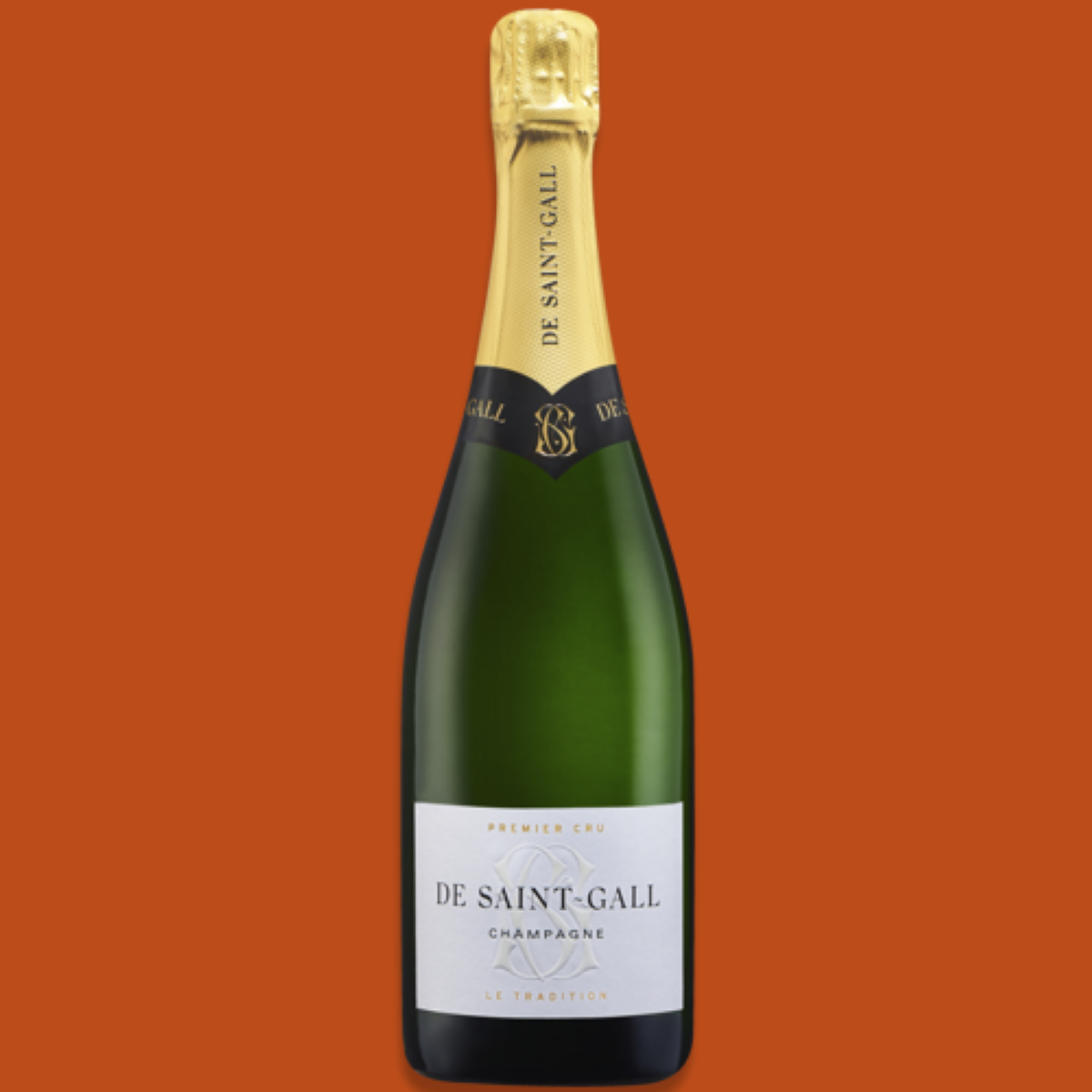
De Saint-Gall Le Tradition Premier Cru
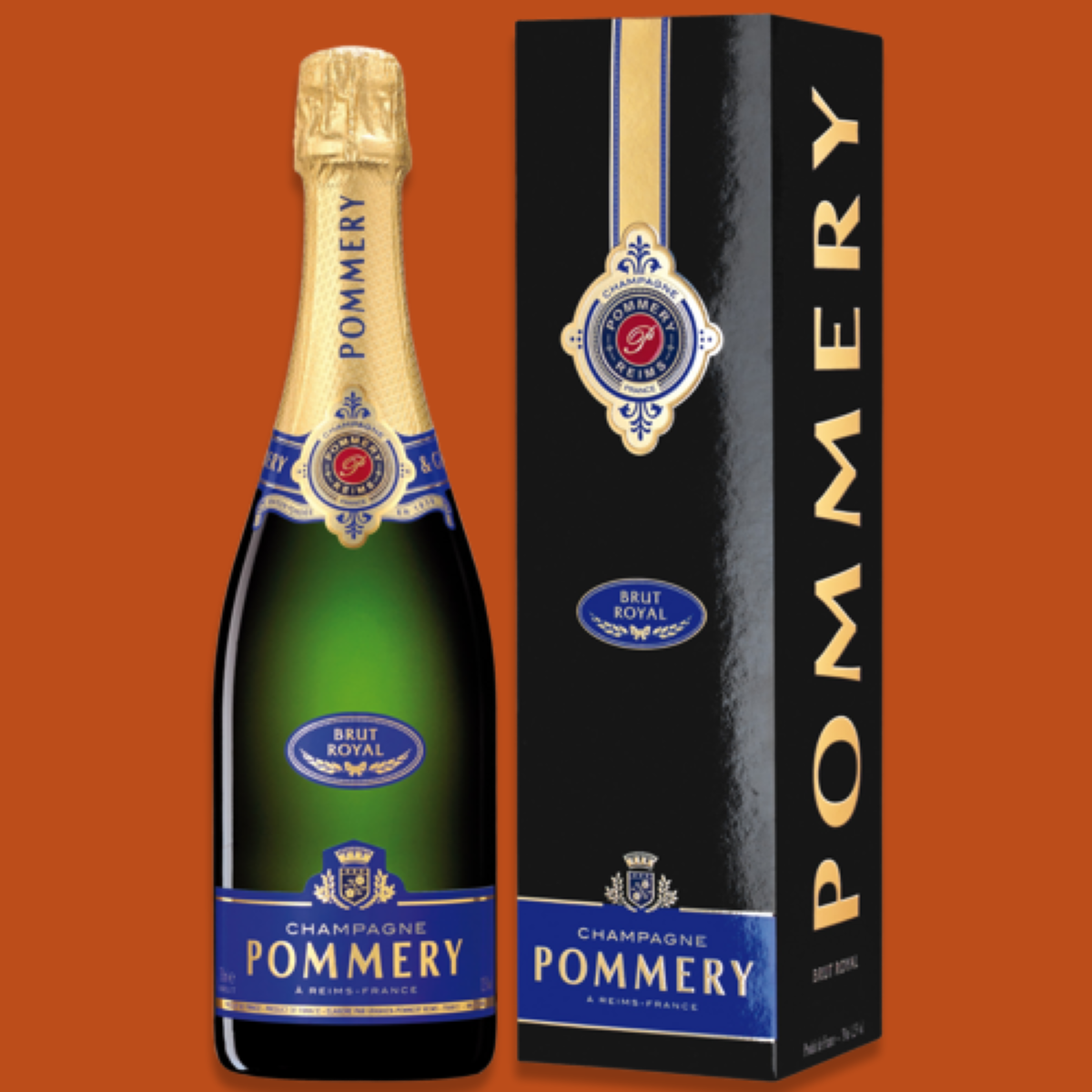
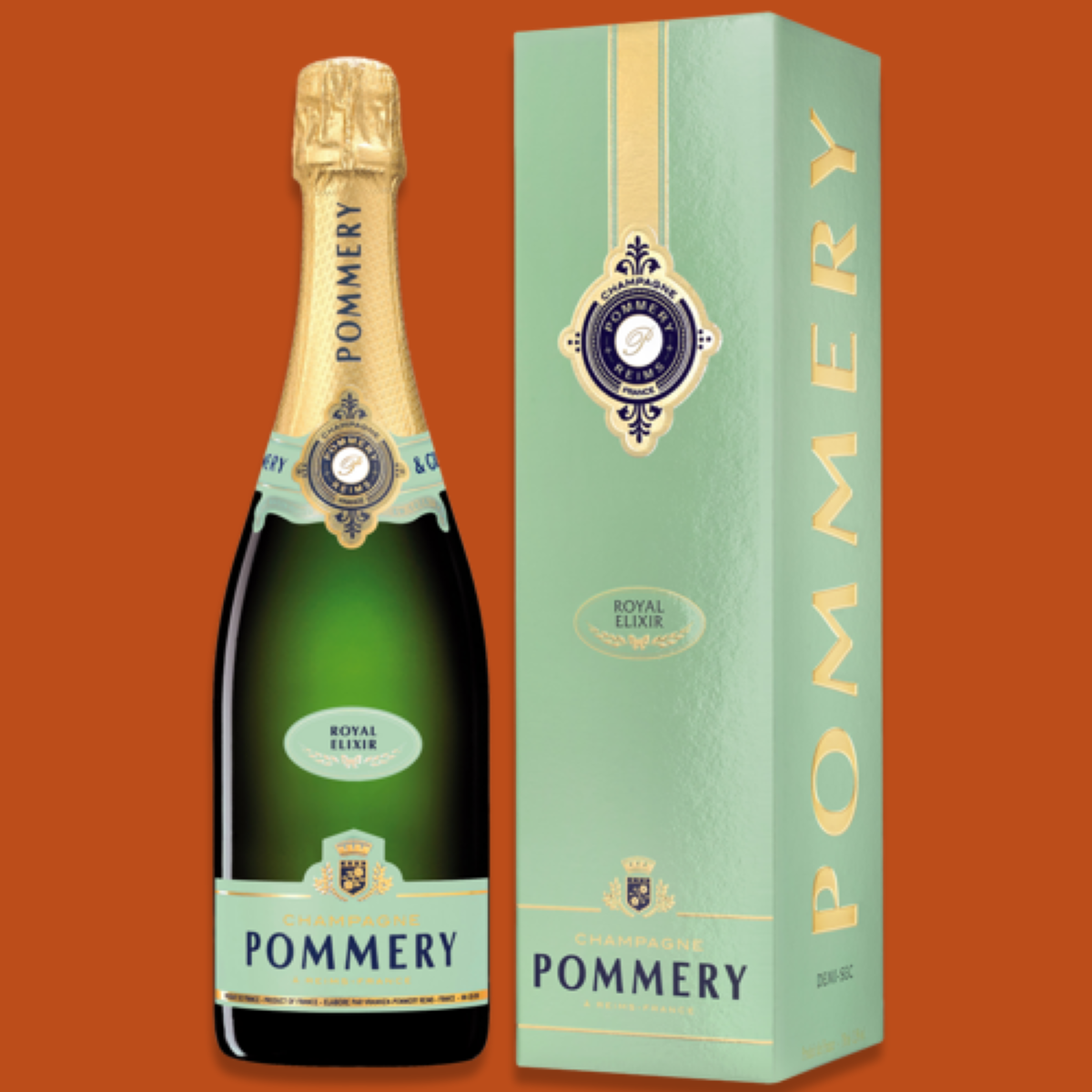
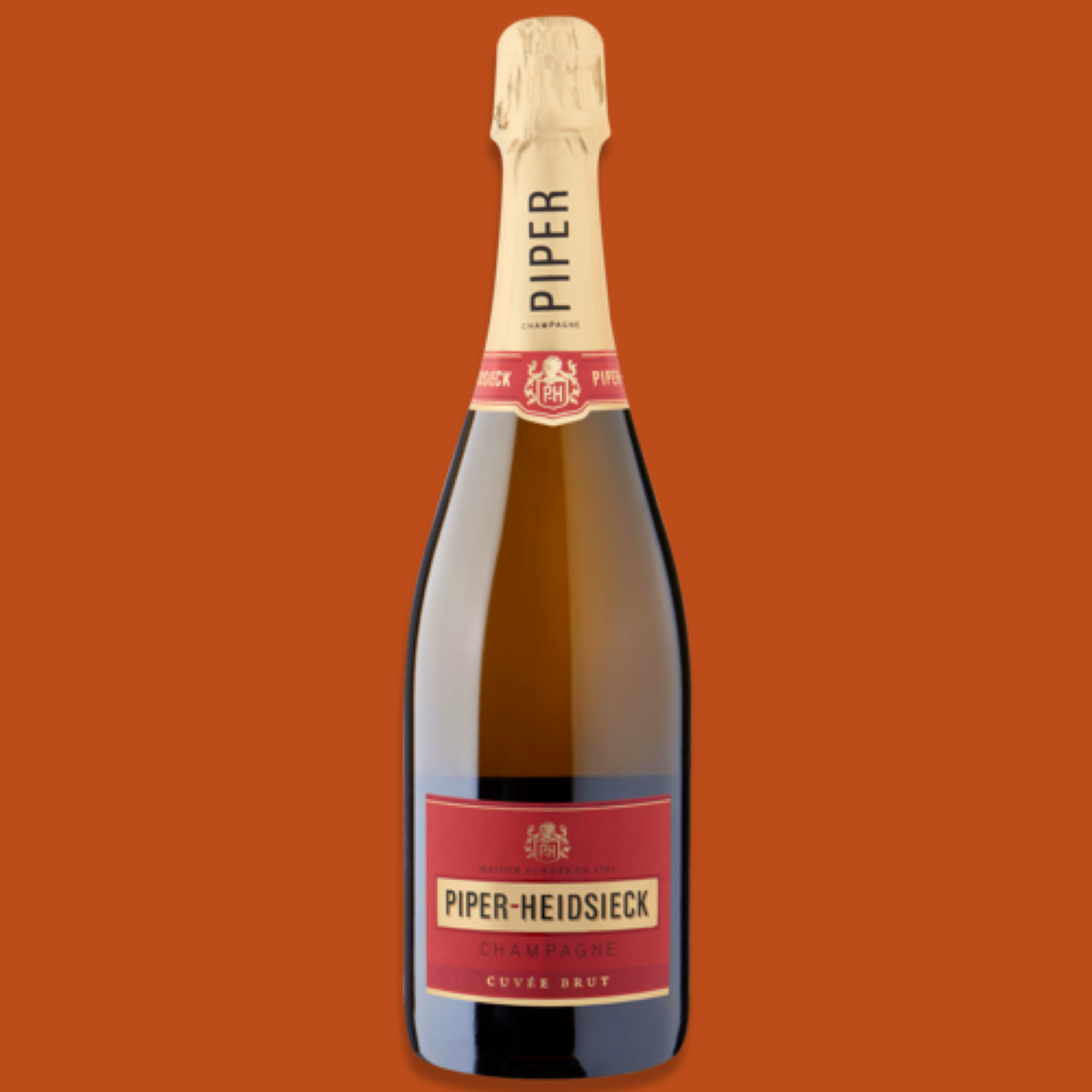
Piper-Heidsieck Brut
Prices as of November 21, 2026, as reported by Gall & Gall. You can see the current price and stock at Gall & Gall. Glazen.nl receives a small commission if you buy something through these links; you pay nothing extra. No 18, no alcohol.