Gin
London Dry, cucumber, pink. In twenty years, gin went from dusty to the busiest shelf in the liquor store. Here you'll learn what's in gin, what types of gin there are, its alcohol content, how to drink it, and which glass to choose.


The best-known gin brands
Three gin brands you'll find in almost every bar. Each comes from a different part of the shelf.
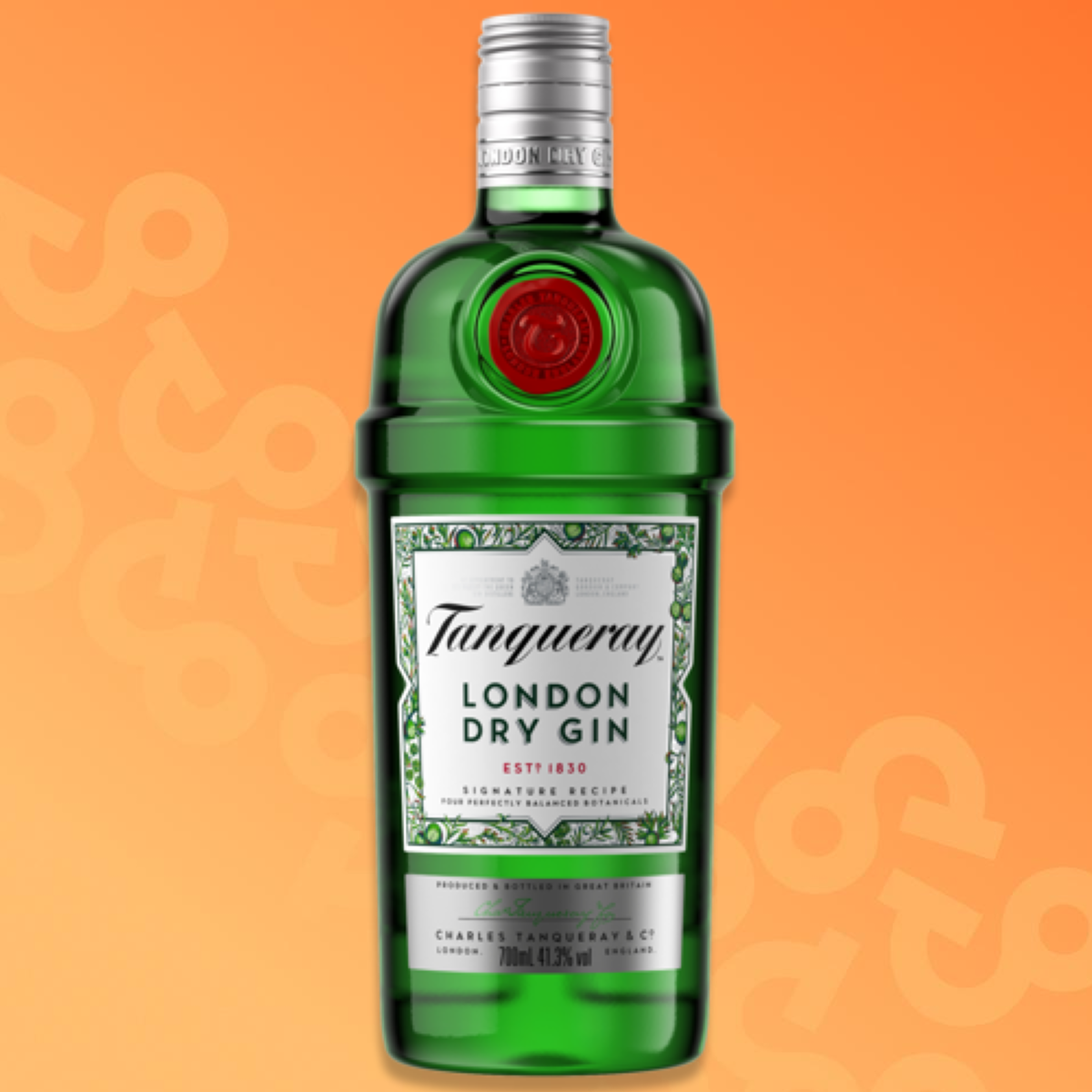
Tanqueray
Four botanicals and nothing else, bottled at a notably high ABV. If you want to know what a dry, piney gin should taste like, start here.
About Tanqueray →Gordon's
More gin is sold nowhere in the world. It's at the legal minimum and milder than Tanqueray. For a no-frills gin and tonic, many bars reach for this bottle.
About Gordon's →Hendrick's
Scottish gin with rose and cucumber, in the dark apothecary bottle. This bottle brought the contemporary style to the Netherlands.
About Hendrick's →Our drinks page lists all the brands we cover, from gin to whisky.
Every gin, listed by brand
3 brands and 13 varieties, each with its own page about flavor, cocktails, and the right glass.


One flavor is required; the rest is up to you
What’s in gin? Juniper, at the very least, because most of the flavor has to come from it. That’s required by law and is really the only rule. Beyond that, a distillery can add whatever it wants. Besides juniper, coriander, angelica root, orris root and citrus peel are commonly used. That’s where things start to vary. Thanks to that freedom, there are now hundreds of gins on the shelf that differ considerably from one another.
Gin starts out as neutral alcohol, usually made from grain. It’s distilled again in a still with the botanicals. Sometimes they’re suspended in a basket in the vapor; sometimes they’re placed directly in the still. The alcohol content varies from bottle to bottle. The minimum is 37.5%, and most are between 37.5 and 47%. The higher the percentage, the more you can taste the botanicals in a gin and tonic. That’s why more expensive gins are often a little stronger.
In brief
Four styles you’ll find on every shelf
Gin flavors vary depending on what can be added after distillation. And on how far a distillery dares to stray from juniper.
London Dry
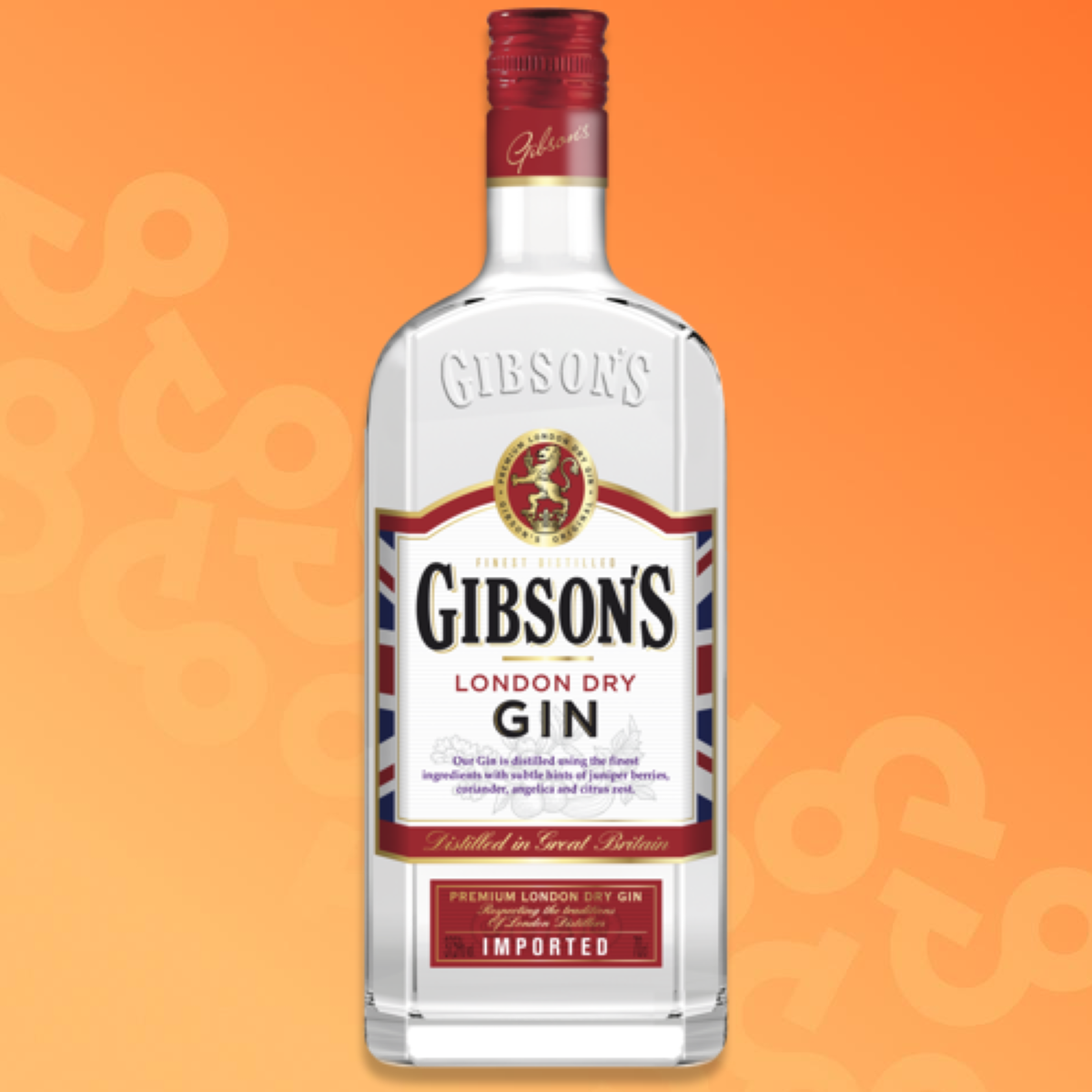
The strictest type. All the flavor must come through during distillation; nothing can be added afterward, and almost no sugar is allowed. Dry, piney and spicy. The name has nothing to do with London.
Contemporary gin
The modern style. Juniper takes a step back, making more room for flowers, cucumber, tea, or spices. It's still gin, but it looks very different.

Flavoured gin
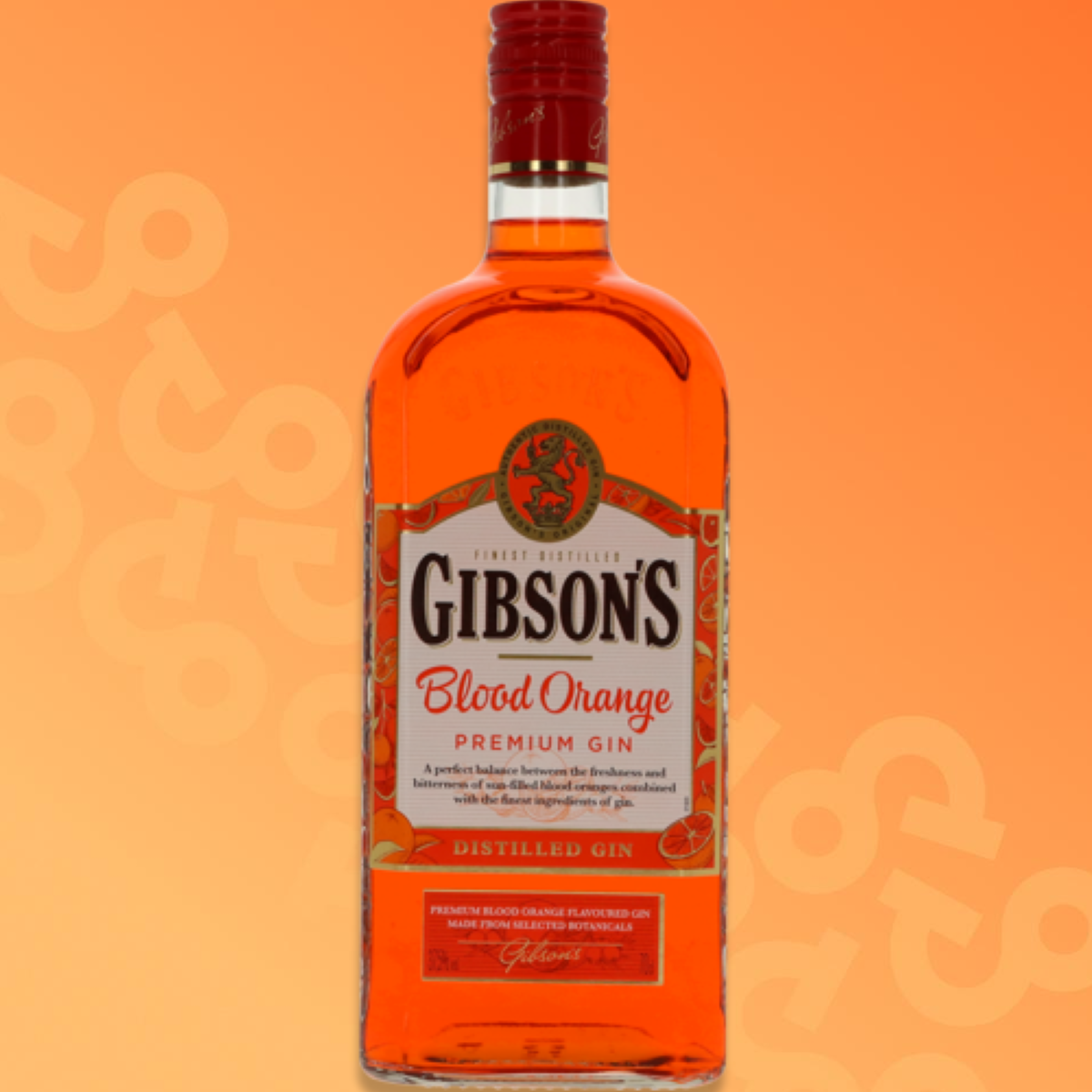
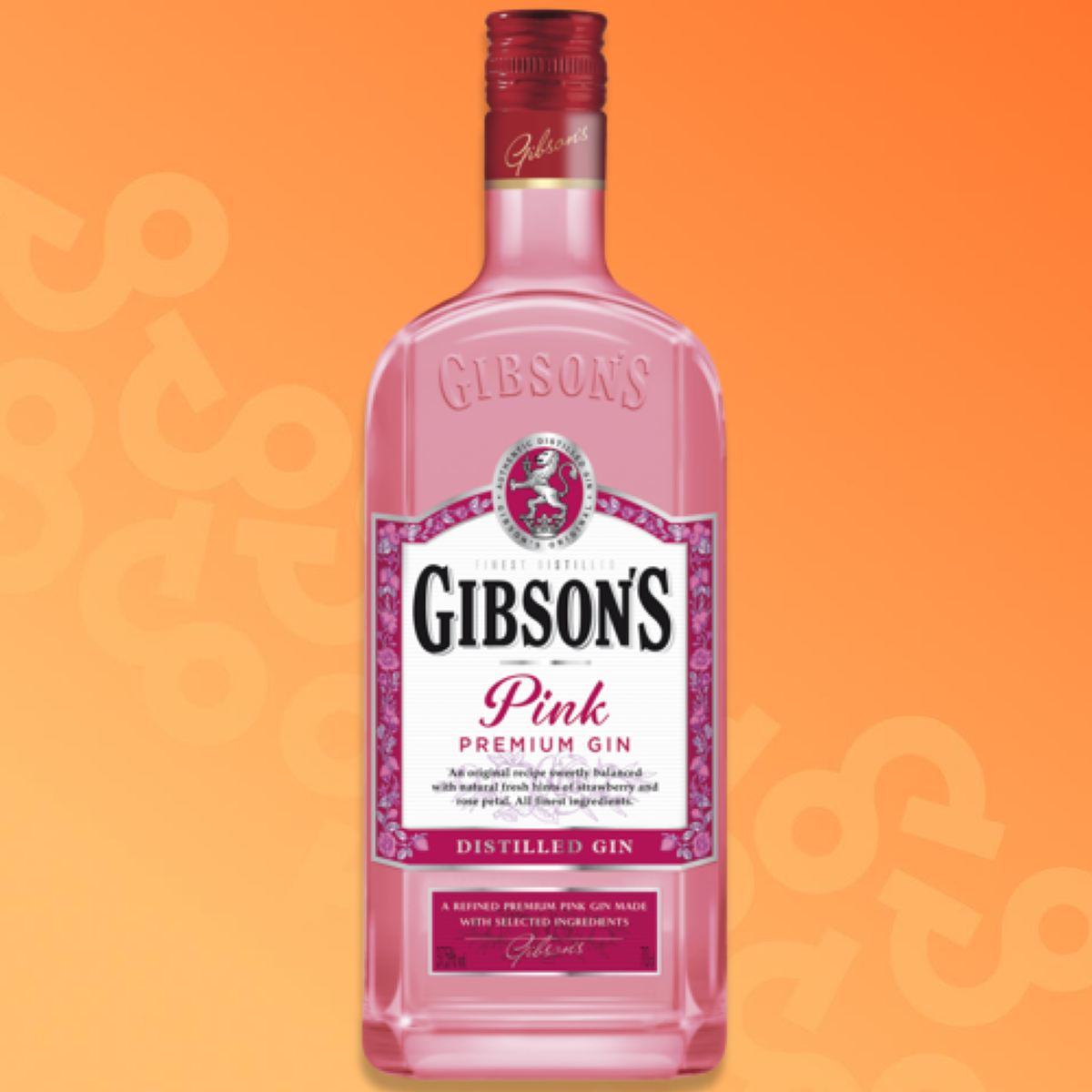
Gin with fruit added after distillation, such as strawberry, raspberry, lemon, or passion fruit. Sweeter and easier to drink. Usually bottled at the legal minimum strength.

Alcohol-free
Legally, it's not gin, but it's made with the same botanicals. You miss the body of the alcohol. With plenty of ice and a robust tonic, you get as close as possible.
Old Tom is the sweeter predecessor. Navy Strength is 57% ABV. And sloe gin is actually a liqueur made from sloes.
Piney and spicy, and almost always with citrus
Juniper & citrus
That piney, resinous juniper, almost always topped with citrus peel. With a contemporary gin, you might also smell flowers or cucumber.
Dry and spicy
Dry, with a little pepper from the coriander and something earthy from the angelica root. A flavoured gin, by contrast, tastes sweet and fruity.
Clean and short
Dry and clean, with juniper and sometimes a hint of bitterness from the orris root. The higher the alcohol percentage, the longer you taste it.
This is what a classic London Dry gin tastes like. A contemporary gin scores higher on fruity and lower on spicy. A flavoured gin scores around 4 on sweet.
Three ways to drink gin
You almost never drink gin neat. It's all about the proportions, the ice, and what you add to it.
As a gin and tonic
5 cl gin to 15 cl ice-cold tonic in a large glass filled to the brim with ice. Lots of ice melts more slowly than a little ice, so don't skimp. Choose the garnish to suit the gin. Lemon peel with a London Dry, cucumber with Hendrick's.
Gin and tonic recipe →In a Dry Martini
Stir 60 ml gin and 10 to 20 ml dry vermouth with plenty of ice for thirty seconds. Strain into an ice-cold glass and finish with lemon peel or an olive. Stir, don't shake, to keep it clear.
Dry Martini recipe →In a Negroni
Equal parts gin, Campari, and red vermouth over a large ice cube, with a piece of orange peel. Bitter, sweet, and spicy all at once. This is where a robust gin really shines.
Negroni recipe →The most famous gin cocktails
No spirit features in as many classics as gin. Start with these recipes.

Gin and tonic
Gin, tonic, plenty of ice, and the right garnish. Simple, and that's why it's hard.
Negroni
Equal parts gin, Campari, and sweet vermouth. Three ingredients, no doubt about it.
Dry Martini
Gin and dry vermouth, ice-cold and clear. The most talked-about cocktail there is.
Tom Collins
Gin, lemon, sugar, and sparkling water. A gin cocktail for those who don't like tonic.The right glass for gin
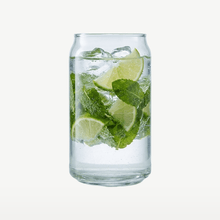
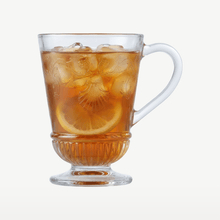
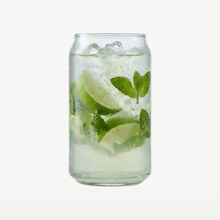
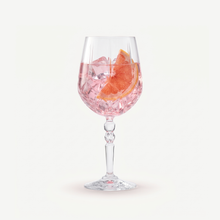
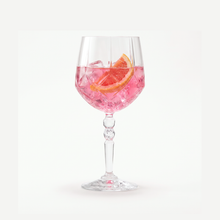
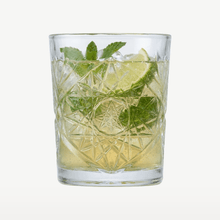
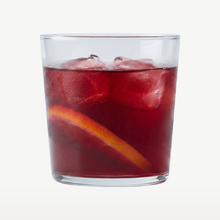
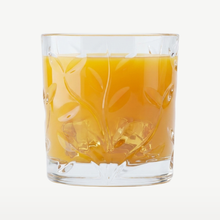
A gin and tonic needs a large glass with room for plenty of ice. A Martini, on the other hand, needs a small glass that stays ice-cold. These are the glasses we recommend ourselves.


What else you'd like to know about gin
Can't find your question here? Check out our cocktail recipes or get in touch.
To the cocktail recipes →What percentage alcohol is gin?
What's the difference between gin and genever?
What does London Dry mean?
Which gin is best for a gin and tonic?
Where does the gin and tonic combination come from?
How much ice should you put in a gin and tonic?
Buy gin
Want the bottle delivered right away? Order gin online from Gall & Gall. Gall & Gall has 123, 21 of which are on sale.
Prices as of November 20, 2026, as provided by Gall & Gall. You can see the current price and stock at Gall & Gall. Glazen.nl receives a small commission if you buy something through these links; it costs you nothing extra. No 18, no alcohol.