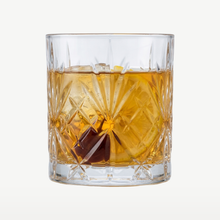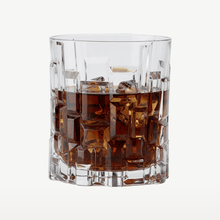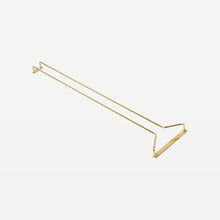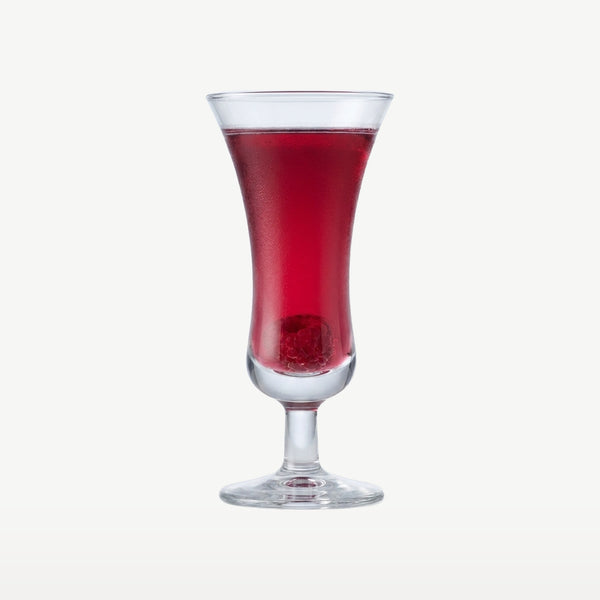
Royal Leerdam Intermezzo Shot Glass 3.5 Cl with Measuring Line Tuba - 12 Pieces
Genever
Genever is the oldest distilled spirit from the Netherlands, and gin would never have existed without it. Here you'll learn exactly what it is and why "old" says nothing about its age. We'll also cover the difference between young genever, often simply called young clear in cafés, and old genever. And of course, which glass to use.


The best-known genever brands
These four Dutch names are found in every liquor store and behind almost every bar.
Bokma
A square bottle that's round on the inside. This brand put grain genever on the map in 1966.
About Bokma →Ketel 1
Young genever from Schiedam, distilled in a copper still. This bottle brought genever back to younger drinkers.
About Ketel 1 →Bols
The world's oldest distilling brand. Genever traveled all around the world through this house.
About Bols →
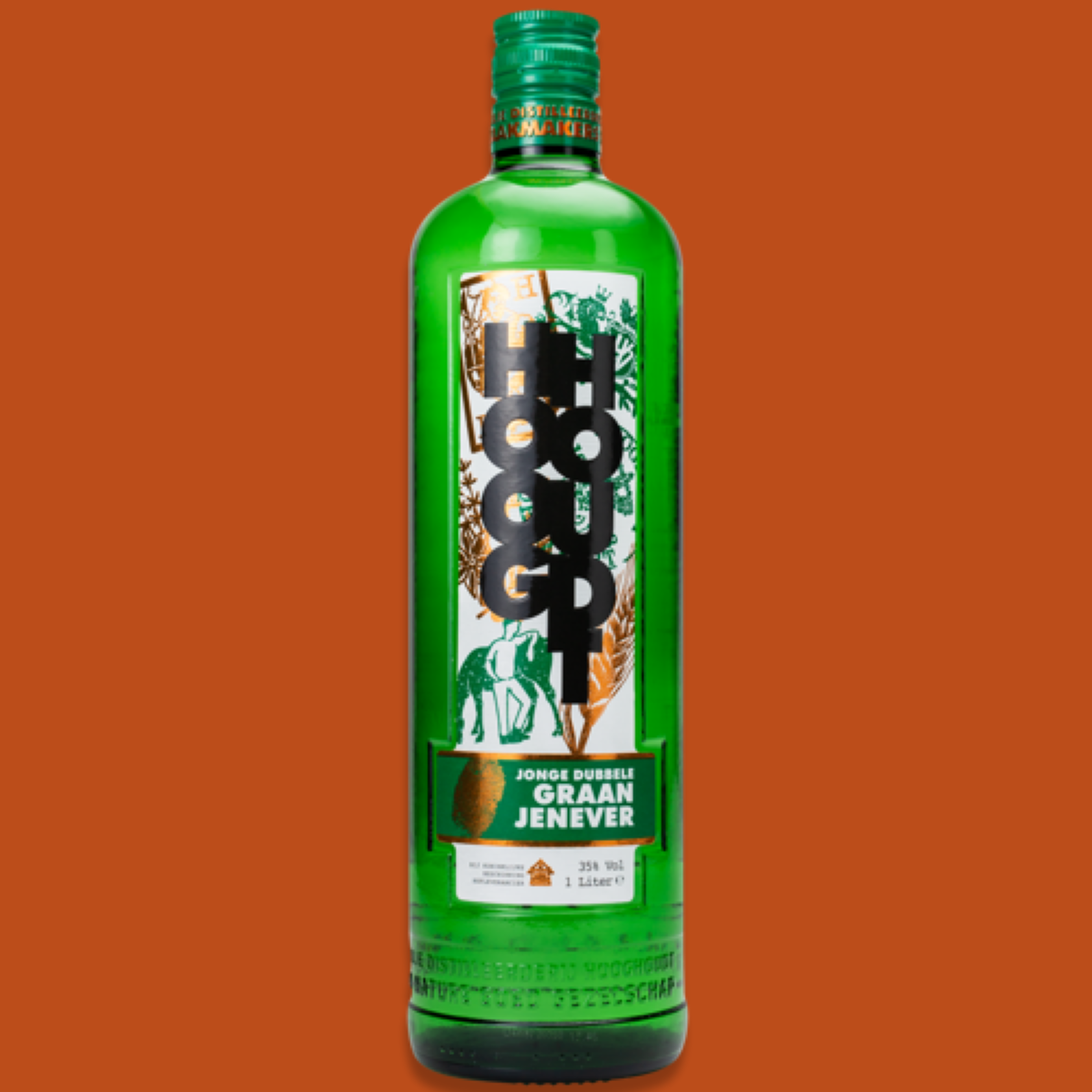
Hooghoudt
A family business from Groningen. You know them for their genever, but also for the beerenburg on the shelf right next to it.
About Hooghoudt →Every genever, listed by brand
5 brands and 12 varieties, each with its own page about flavor, cocktails, and the right glass.


Young and old say nothing about age
Genever comes from the Netherlands and Belgium. It is grain alcohol with juniper, and it almost always contains malt wine. That is what sets it apart from gin. Malt wine is a distillate of malted grain, a little like young whisky, and it gives genever its grainy, malty taste. Gin is piney and dry. Genever is fuller and smoother. The name is protected. Only the Netherlands, Belgium, and two border regions in France and Germany may put it on a bottle.
Almost everyone gets confused by the words young and old. They refer to style, not aging. Old genever is the original style. It contains a lot of malt wine, so it is fuller and sweeter. Young genever, also known as jonge klare, only appeared in the 20th century, when people wanted a lighter, more neutral taste. It contains very little malt wine. Only a bottle bearing a year, such as a five- or ten-year-old genever, has actually been aged in a wooden cask.
In brief
Four styles, and what sets them apart
The more malt wine, the fuller and grainier the taste. Understand that, and you understand the whole world of genever.
Young genever
Little malt wine, so light and fairly neutral, with juniper in the background. This bottle belongs in the freezer and makes up half of a kopstoot.

Oude jenever
More malt wine, and therefore fuller, sweeter, and grainier. This is the original style. “Old” refers to the style here and says nothing at all about age, which often causes confusion.

Very old genever
Even more malt wine than a standard oude jenever. This shifts the spirit toward whisky. Full and rounded, with a lightly sweet note.

Aged jenever
This one really has spent years in oak, as the year on the bottle shows. The juniper takes a back seat. Vanilla, nuts, and wood take over.
Korenwijn contains at least 51% malt wine and no more than 20 grams of sugar per liter. Jenever doesn't get any fuller-bodied than this.
Grainy and malty, with juniper in the background
Grain & juniper
Grain with a hint of malt, juniper underneath, and fresh spice. Oude jenever smells noticeably sweeter.
Smooth and grainy
Jonge jenever is dry and grainy, while oude jenever is full-bodied and slightly sweet. Both are smoother than gin because the malt wine takes off the sharp edges.
Short and clean
Short and dry, with grain. With aged jenever, the finish lasts longer and grows warmer, with vanilla and wood.
This is the profile of jonge jenever. Oude jenever and korenwijn score higher for sweetness, and aged jenever also scores higher for strength.
How to drink jenever
Jonge jenever should be served ice-cold. Oude or aged jenever shouldn't. That makes more difference than what you pay for the bottle.
Ice-cold, to the brim
Put the bottle in the freezer and fill the tulip glass to the brim. Take the first sip while bent forward, with your hands behind your back. That way you won't spill a drop, and that's just how it's done in a café.
Glass: jenever glass →As a boilermaker
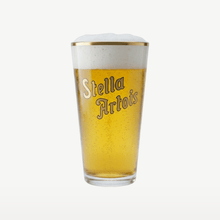
A tulip glass filled with jonge jenever, with a glass of lager alongside. First sip the jenever from the rim, then follow it with the beer. It doesn't get more Dutch than this.
Boilermaker →Oude and aged, neat
Pour 4 cl at room temperature into a tumbler or tasting glass. Oude jenever and korenwijn don't need chilling. Chilling keeps the malty notes tucked away, and those are exactly what you want to taste.
Glass: tumbler →Jenever cocktails
A few classics now made with gin were once made with jenever. You can easily turn them back.

Kopstoot
A full glass of jenever next to a glass of lager. Not a cocktail, but a classic.
Amsterdam Sour
Jenever with lemon, sugar, and egg white. The Dutch take on a sour.
John Collins
Lemon, sugar, and sparkling water. The original version was made with jenever.
Dutch Martini
Dry vermouth with jenever instead of gin. Fuller and maltier than the original.The right glass for jenever
For ice-cold jonge jenever, choose a stemmed tulip glass that can be filled to the brim. Drink oude or aged jenever from a tumbler or shot glass. These are the glasses we'd choose ourselves.


Questions about jenever
Can't find your question? Check out our cocktail recipes or get in touch.
Go to the cocktail recipes →What percentage alcohol is in jenever?
What's the difference between jonge jenever and oude jenever?
What's the difference between jenever and gin?
What is korenwijn?
How do you drink jenever?
Can gin only come from the Netherlands?
Buy gin
Want the bottle delivered straight to your door? Order gin online at Gall & Gall. Gall & Gall has 89 varieties, 12 of which are on sale.
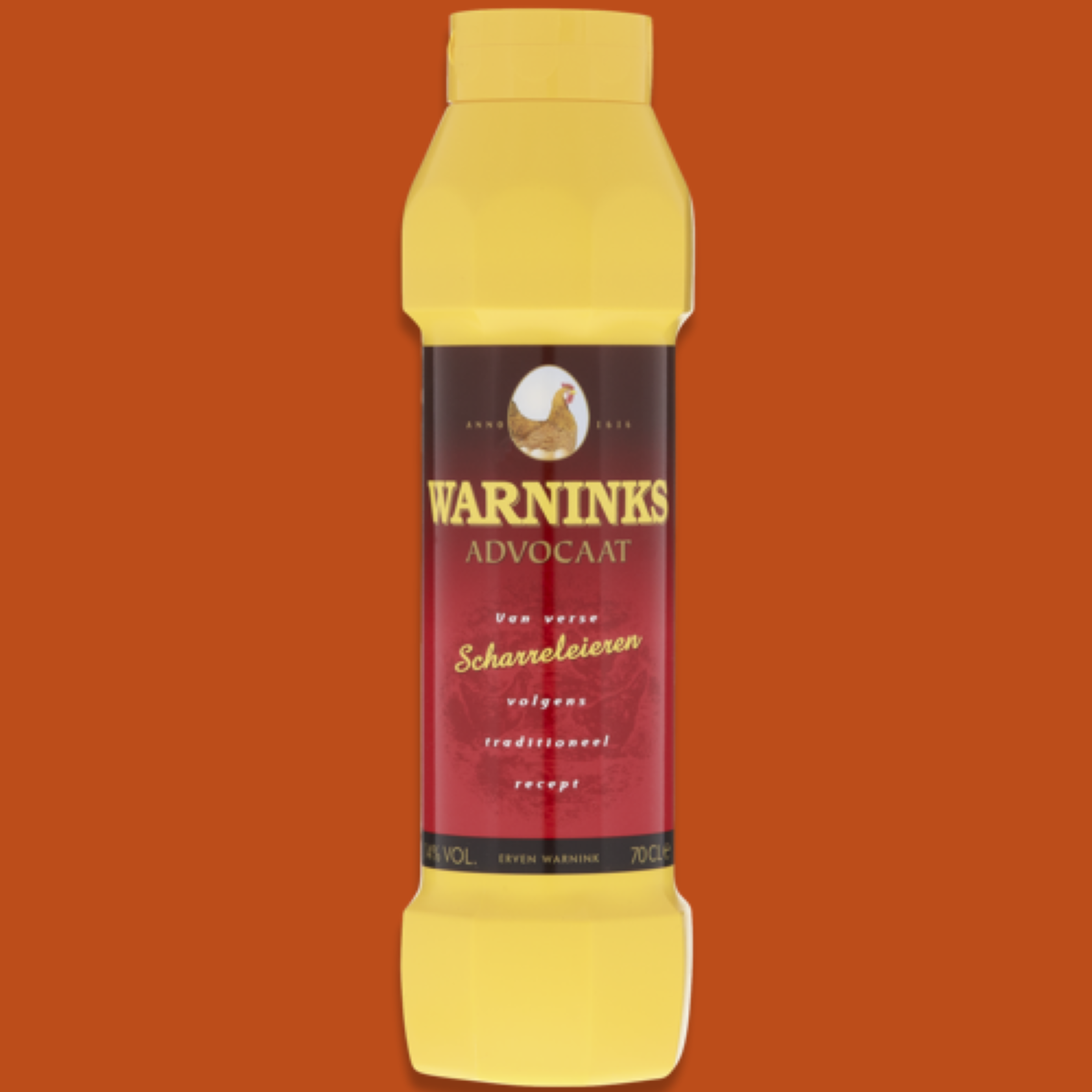
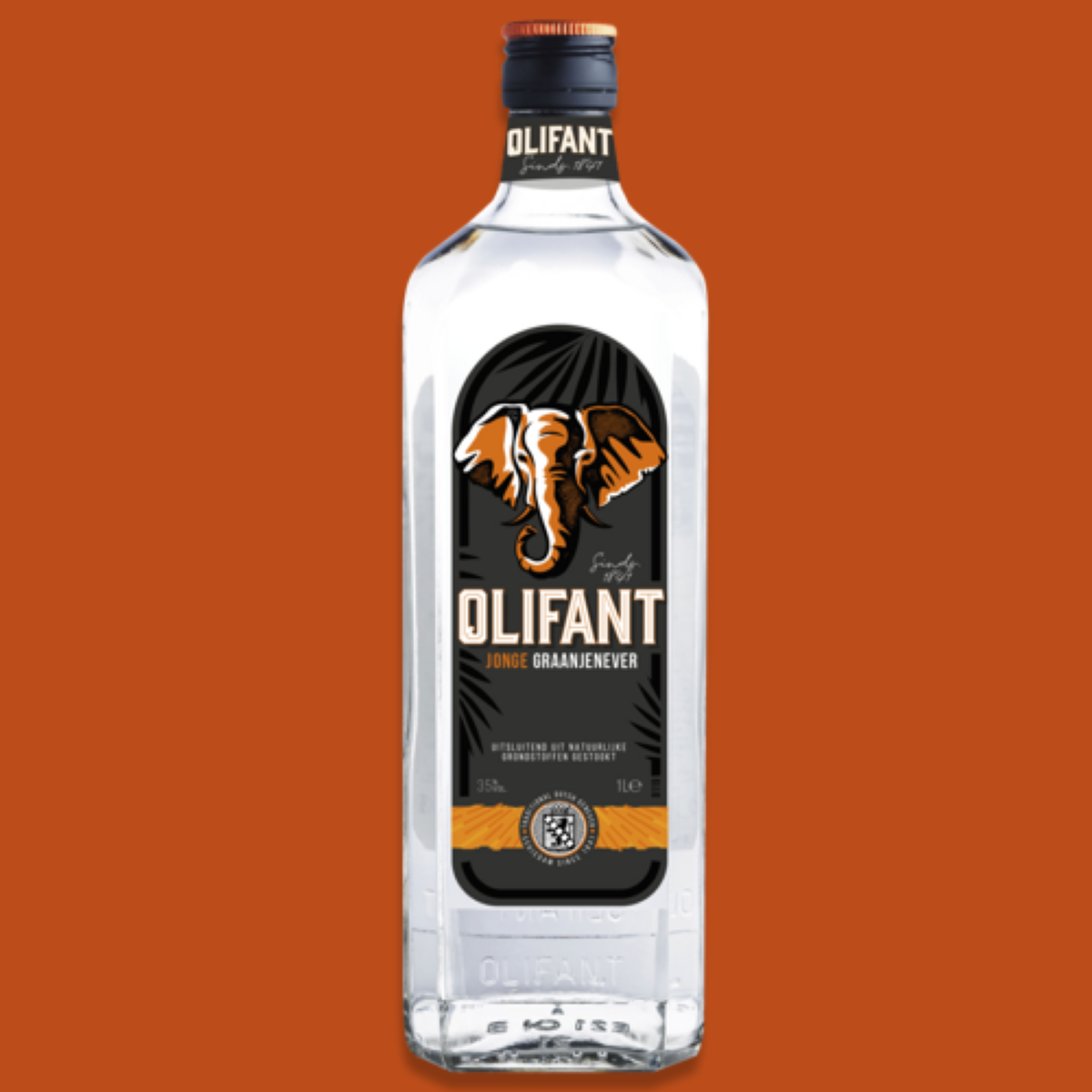
Prices as of November 21, 2026, as reported by Gall & Gall. You can see the current price and stock at Gall & Gall. Glazen.nl receives a small commission if you buy something through these links; you pay nothing extra. No 18, no alcohol.