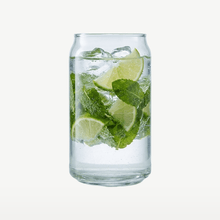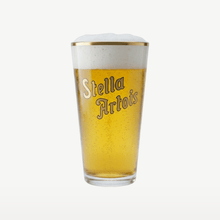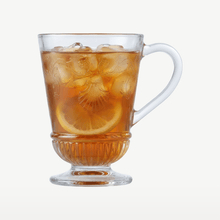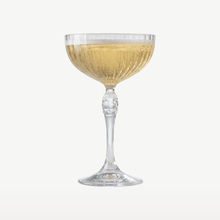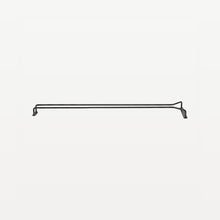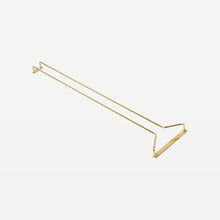
Chef & Sommelier Open Up Champagne Glass / Flute 20 Cl - 6 Pieces
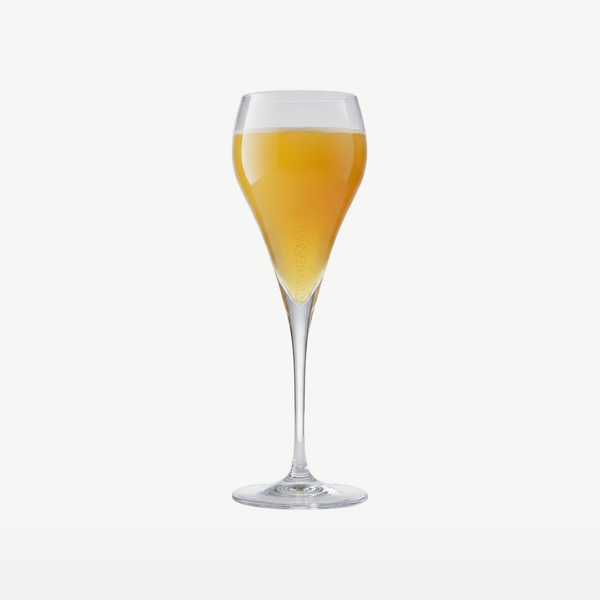

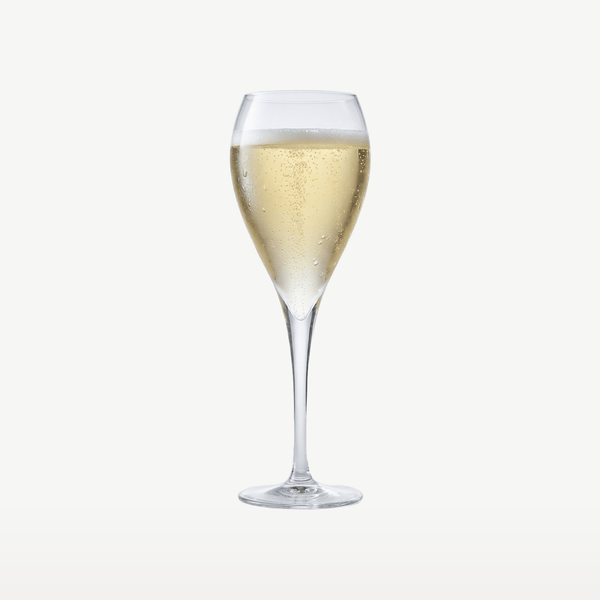
Bormioli Rocco Tre Sensi Champagne Glass / Flute 15 Cl - 6 Pieces
Prosecco
Prosecco is sparkling wine from Italy, made from the glera grape. The bubbles are created not in the bottle but in a sealed tank. The question of how much alcohol prosecco contains is quickly answered: usually 11 percent. Check the label carefully, though, because extra dry is not drier than brut. It's actually slightly sweeter.


Bubbles by type
Prosecco isn't the only bubbly on the shelf. Read on below about the other sparkling wines and where their carbonation comes from.
Champagne
The French bubbly. It gets its carbonation in the bottle, giving it more of a bread and yeast taste than prosecco.
About Champagne →

Crémant
Sparkling wine from France, but outside the Champagne region. The same words appear on the label.
About Crémant →
Lambrusco
The red bubbly from Italy. The counterpart to the white and rosé bottles on this page.
About Lambrusco →One grape, and a second fermentation in a tank
Prosecco comes from northern Italy and is made from a single white grape, glera. It grows mainly on the hills of Veneto and Friuli-Venezia Giulia. The soil there is fertile and the climate mild, which suits glera. The heart of the region lies north of Venice, around the towns of Conegliano and Valdobbiadene. The hills between them are on the UNESCO World Heritage List and are considered the birthplace of prosecco. A small part of the area is called Cartizze, and it’s the grand cru. The label says DOC or DOCG. DOC means a protected designation of origin; DOCG means a protected and guaranteed designation of origin. If the prosecco is rosé, it also contains pinot noir alongside glera.
The biggest difference from champagne and cava lies in how the bubbles are created. After harvesting, the grapes are gently pressed and fermented into still wine. That wine then goes into a large, sealed tank with yeast and a little sugar, following the Charmat method. The resulting pressure creates the fine bubbles. The wine is then filtered and bottled under pressure to keep it fresh. So the second fermentation takes place in a tank. For champagne and cava, it happens in the bottle, where cava ages for about nine months. Using a tank is easier and faster, and gives you a fruity bubbly wine. You can taste the difference too. Prosecco is lively and fruity, with a touch of sweetness, and is often a little less dry than champagne.
At a glance
Six bottles, from dry to sweet
The word on the label tells you something about the sugar content, and that’s often where the confusion starts. With sparkling wine, extra dry isn’t drier than brut, but a little sweeter. So, from dry to sweet, extra dry comes after brut. These six bottles are listed from dry to sweet.
Zonin Prosecco Brut
A festive, off-dry prosecco with soft bubbles and fruity notes of pear, melon and lime. It’s the driest of the bunch and the safest choice for an aperitif.

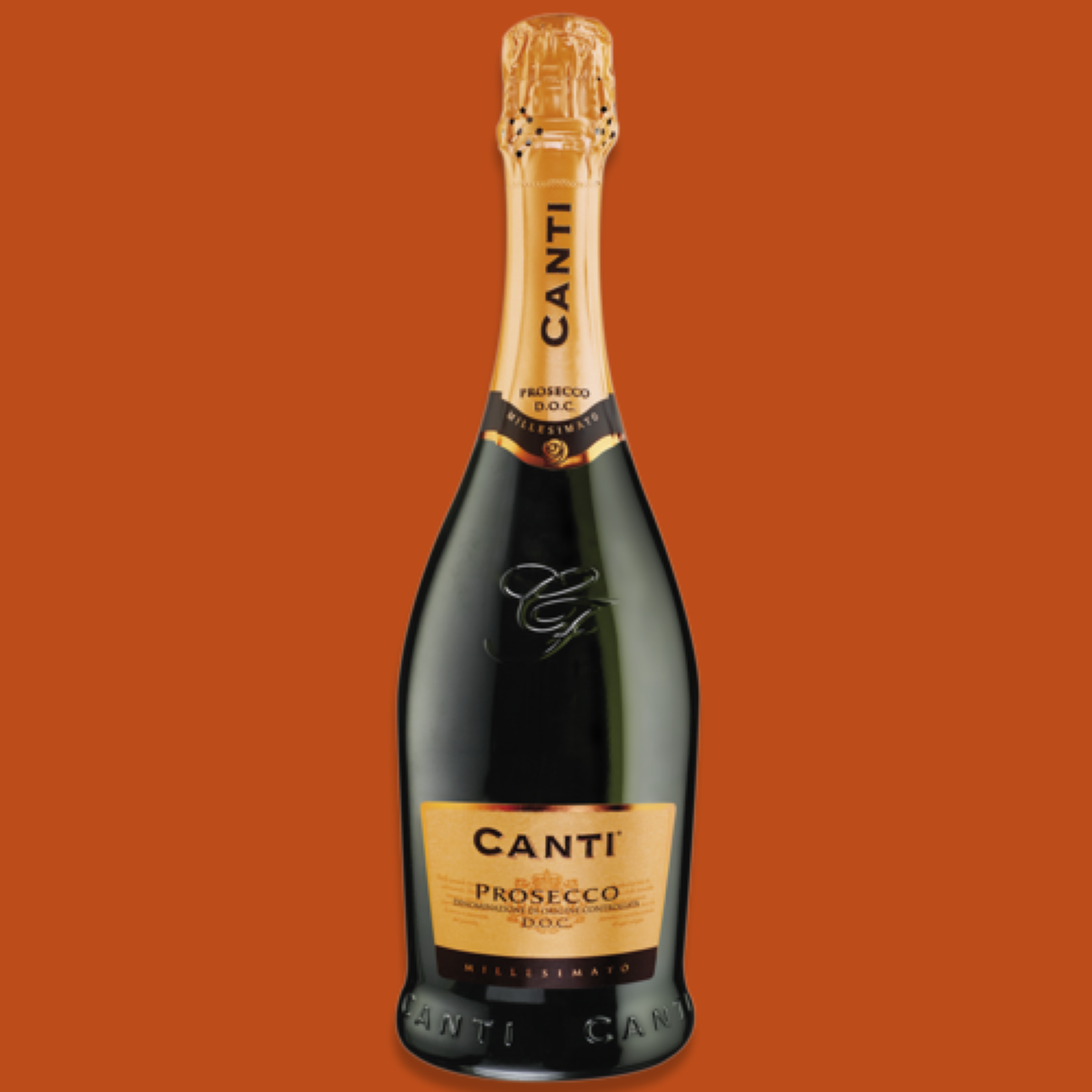
Canti Prosecco Millesimato
Millesimato means the wine comes from a single vintage. Dry and light in flavor, with gentle bubbles and fresh fruit.

Bottega Prosecco Gold
The famous gold bottle, here in a small 20 cl size. Floral and fruity, with apple, pear, and citrus.

Masottina Contrada Granda
Made from glera grapes from Conegliano Valdobbiadene. In the glass, you’ll find green apple, apricot, and acacia. This bottle shows the difference clearly. This producer’s brut has 10 grams of residual sugar per liter, while this extra dry has 14 grams.

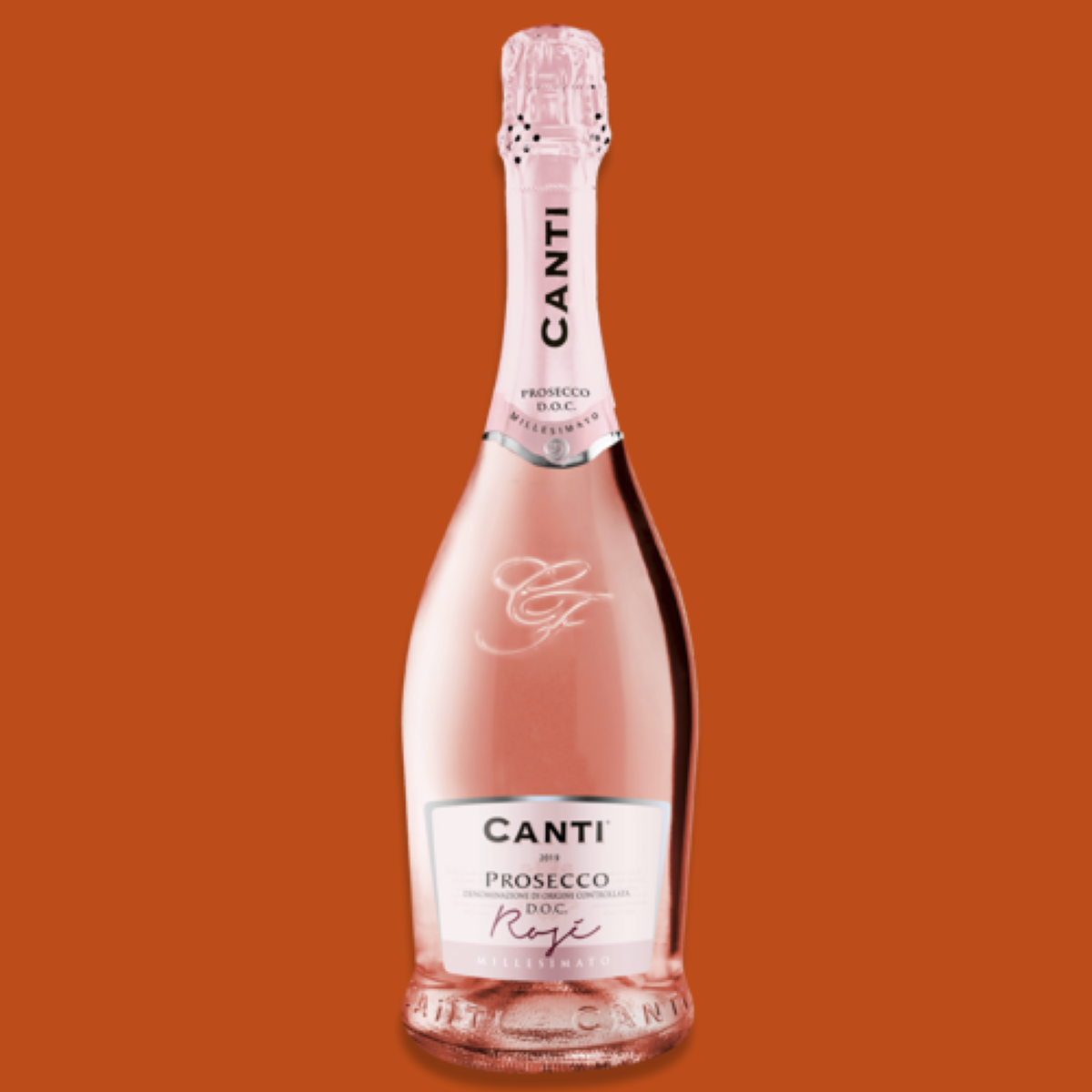
Canti Prosecco Rosé
The rosé version, and proof that prosecco rosé isn’t made from glera alone. It also contains pinot noir. Delicate in flavor, with soft bubbles, red fruit, and a hint of almond.

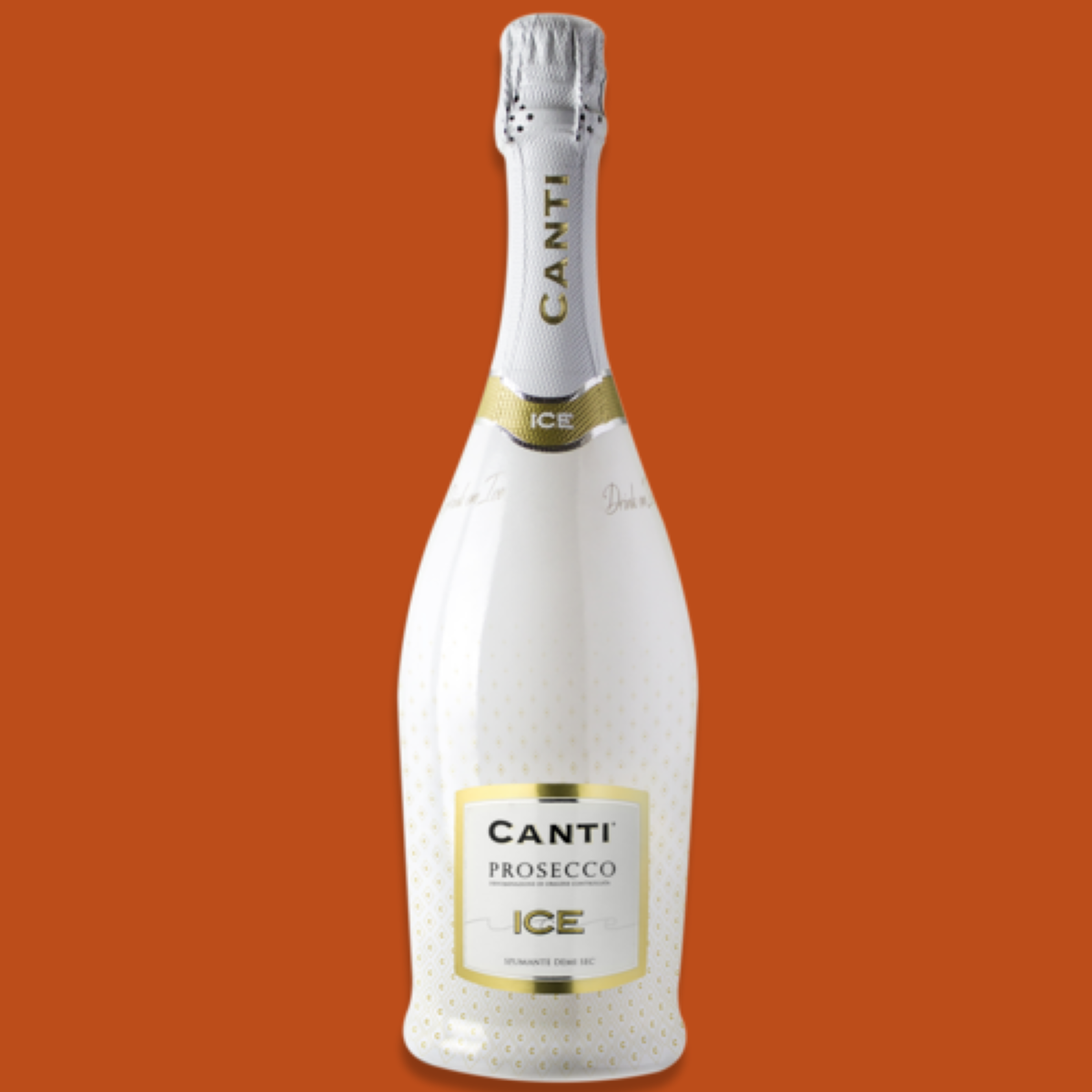
Canti Prosecco Ice
The sweetest of the bunch, with a lightly sweet taste. Serve it in large, round wine glasses filled with ice, with mint and blackberries.
Brut, extra dry, and demi-sec are also used for champagne, where the bubbles form in the bottle.
Lively, slightly sweet, and fruity
Apple, pear, and citrus
Prosecco smells of light fruit. One bottle might have notes of pear, melon, and lime, another of apple, pear, and citrus. If the bottle is from Conegliano Valdobbiadene, you’ll also smell green apple, apricot, and acacia.
Soft bubbles
Fine, soft bubbles and a lively, fruity taste with a hint of sweetness. Prosecco is usually a little less dry than champagne, which is why it’s easy to enjoy on its own.
From brut to demi-sec
The amount of sugar in your glass is shown on the label. From dry to sweet, the range goes from brut nature and extra brut through brut and extra dry to sec, demi-sec, and doux.
This is the flavor profile of an average brut. An extra dry is a little sweeter, while a demi-sec is quite a bit sweeter.
How to serve prosecco
Prosecco is best enjoyed young and well chilled. There's no need to open it with a pop.
Chill it first
Chill the bottle in the refrigerator for at least four hours, or place it in a cooler with cold water and ice for half an hour. In a hurry? Add a few tablespoons of salt to the ice water. It'll be ready in ten minutes.
The right glass →Open without a pop
If there's a muselet around the cork, the wire cage with the tab, loosen it first. Hold the bottle at an angle of about 45 degrees and twist the bottle rather than the cork. The pressure will gently push the cork out, and you'll hear only a sigh.
From dry to sweet →In a spritz
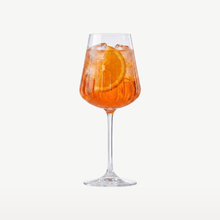
The proportions are always the same: 3 parts prosecco, 2 parts flavoring such as Aperol or limoncello, and 1 part sparkling water. Fill a large wine glass with ice, pour in that order, stir briefly, and add a slice of orange or lemon.
Go to the cocktails →Prosecco cocktails
Every spritz is made with prosecco, and the proportions are always the same: 3 parts prosecco, 2 parts flavoring, and 1 part sparkling water. The Bellini and Sgroppino both come from Venice and its surroundings.

Bellini
Peach purée at the bottom of the glass, then slowly pour prosecco over it. Created at Harry's Bar in Venice.
Aperol Spritz
First add ice to the glass, then Aperol and prosecco, and finally sparkling water. Stir briefly and add a slice of orange.
Hugo Spritz
Elderflower syrup with prosecco and sparkling water, garnished with mint, a squeezed wedge of lime, and ice.
Sgroppino
Whisk the lemon sorbet until smooth, add the vodka and prosecco, and serve immediately.The right glass for prosecco
Serve prosecco on its own in a flute or another champagne glass, so you can see the bubbles. For a spritz, use a large wine glass filled with ice. Here are the glasses we recommend.


What people often ask us about prosecco
Can’t find your question here? Browse our cocktail recipes or send us a message.
To the cocktail recipes →Is extra dry drier than brut?
What is the difference between prosecco, champagne and cava?
Which grape is prosecco made from?
What percentage of alcohol does prosecco contain?
What do millesimato, superiore and DOCG mean on the label?
Which glass should you use for Prosecco?
How do you open a bottle of Prosecco without a pop?
Buy Prosecco
Want the bottle delivered straight to your home? Order Prosecco online from Gall & Gall. Gall & Gall has 32 varieties, 12 of which are on sale.
Prices as of November 21, 2026, as provided by Gall & Gall. You can see the current price and stock at Gall & Gall. Glazen.nl receives a small commission if you buy something through these links; it costs you nothing extra. No 18, no alcohol.