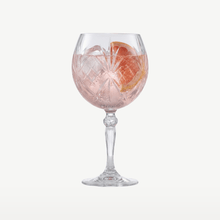
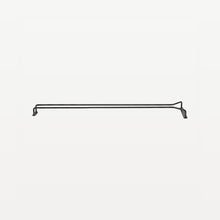
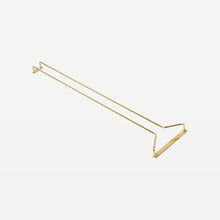
RCR Invino Liqueur Glass 10 Cl - 6 Pieces
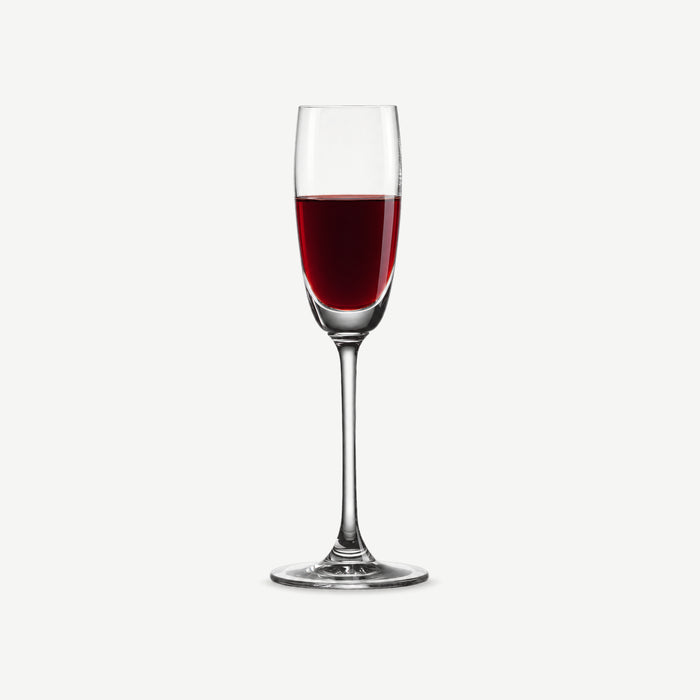
Nude Glass Pure Grappa Glass 8 Cl - 6 Pieces

Nude Glass Vintage Port Glass / Grappa Glass 8.8 Cl - 2 Pieces

Pasabahce Tasting Glass/Port Glass 20 Cl - 12 Pieces

How to pour
a port in
Bring the bottle to serving temperature. Serve red port at 12 to 16 degrees; half an hour in the fridge takes just enough of the chill off room temperature. Serve white port colder, at around 8 to 10 degrees, and leave it in the fridge longer. Too warm, and the alcohol stands out; too cold, and the fruit is muted.
Remove the capsule and open the bottle. Tawny and ruby usually have a stopper you can pull out by hand, so you can close the bottle again afterward. A vintage has a long cork driven into the bottle; use a corkscrew for that, and a two-pronged cork puller for an old cork.
Only a vintage needs a decanter. This port has spent years in the bottle without being filtered and forms sediment. Stand the bottle upright for a day, then slowly pour it into the decanter and stop as soon as you see the cloudy layer approaching the neck. Ruby, LBV and tawny can be poured straight from the bottle.
Pour 6 to 8 cl into a small stemmed glass, about half full. This keeps the serving size in proportion to the higher alcohol content and leaves room for the aromas. Then seal the bottle and store it upright in a cool, dark place.
What did you think of this guide?
One click on a star is all it takes. If you’d like to add a comment, we’ll review it before it’s published here.
Save this page
Email this page to yourself so you have the information handy when it’s time to pour. You’ll also get a €5 discount code on purchases of €50 or more for the right glasses.
The story
The Douro flows through northern Portugal, where vineyards lie on steep terraces of flaky slate. It’s a warm, dry region where the grapes develop plenty of sweetness. That sweetness is exactly what makes port: wine spirit is added during fermentation, the yeast stops working, and some of the grape sugar remains in the wine. Then comes the second choice, and it determines everything. Is the wine bottled after a short time in a barrel, or does it stay in wood for years, exposed to air? That single fork in the road gives rise to all the styles you see in stores.
The right glass
Port is served in 6 to 8 cl portions, so a small stemmed glass is just the right size. A bowl that narrows slightly at the top keeps the sweet and oaky notes together, while the higher alcohol can dissipate above the wine. There’s a category of its own for this: see all the styles in our port glasses, and you’ll also find smaller bowls in our liqueur glasses. If you have a vintage port with sediment, pair it with a decanter from our decanters. Both glasses below mention port and sherry in their product descriptions.

Royal Leerdam Bouquet Port / Sherry Glass 14 cl (6 pieces)

Chef & Sommelier Cabernet liqueur glass 12 cl Porto (6 pieces)
Both sets together € 47,40.
The right tools
For port, you need little besides the glass: use a zester to peel a strip of orange zest for a port tonic, and an ice cube tray makes the large cubes that melt slowly in that tall glass. These are the bar tools we use ourselves; find everything in our bar tools & cocktail sets.


Glass set (our pick 01) + 2 bar tools together € 57,85.


Variations & twists
Ruby is the young, fruity style and is aged mostly in the bottle; reserve ruby is a more robust selection, while late bottled vintage comes from a single harvest and is bottled after a few years in barrel. Vintage is the top version in this style: briefly aged in barrel, then for years in the bottle, so it is not oxidative. Tawny takes a different path and ages for years in small barrels exposed to air; the 10, 20, 30 or 40-year designation refers to the average age of the blend, and a colheita is a tawny from a single harvest. White port is made from white grapes and ranges from dry to sweet. Read more? Explore all drinks and brands.
Serving tip
Red port is served at 12 to 16 degrees, and white port is served colder, around 8 to 10 degrees. Let a vintage stand upright for a day, then carefully pour it into a decanter until the sediment reaches the neck. Open a ruby or vintage only if you’ll finish it within a few days; a tawny can simply stay in the cupboard, since it has already undergone oxidation.
Good to know
How port is made
The grapes come from the Douro and are fermented there. Halfway through fermentation, wine alcohol is added, a neutral grape spirit. The yeast can’t keep working at that higher alcohol level and stops, leaving some of the grape sugar in the wine. This creates a wine that is both sweet and strong: roughly 19 to 22 percent alcohol. The best-known grapes for red port are Touriga Nacional, Touriga Franca, Tinta Roriz, Tinta Barroca, and Tinto Cão. Aging begins after that, and it determines the style.
The two families: bottle-aged or vat-aged
This is the most useful distinction to remember. The first family ages mainly in the bottle: ruby, reserve ruby, late bottled vintage, and vintage. Almost no air gets into the bottle, so these styles stay dark red and fruity and are not oxidative. The second family ages in the vat: tawny and colheita spend years in small casks that are exposed to air. As a result, they turn reddish-brown and their flavor shifts from red fruit to nuts, caramel, and dried fruits.
What ruby, LBV, and vintage mean
Ruby is the entry-level style: a blend of young vintages, aged for a few years in large vats and then bottled, with red fruit as the dominant note. Reserve ruby is the same style made from a better selection. Late bottled vintage comes from a single vintage year and spends longer in the vat than a vintage before bottling; many LBVs are filtered and therefore don’t need decanting. Vintage comes from a single vintage year, is bottled unfiltered after a short time in the vat, and then continues to age for years in the bottle. It forms sediment.
What 10, 20, 30, or 40 years means for tawny
With a tawny, the number doesn’t refer to a vintage year but to the average age of the wines in the blend. A 20-year-old tawny is made from younger and older casks that average out to around that age. The higher the number, the more the color shifts toward amber and the stronger the notes of nuts, caramel, and figs become. A colheita is the exception: it’s a tawny from a single vintage year, with that year on the label.
White port and port tonic
White port is made from white grapes and ranges from dry to sweet. It is often enjoyed as an aperitif, usually chilled to around 8 to 10 degrees. The best-known way to serve it is as a port tonic: one part white port with two or three parts tonic, in a large glass with plenty of ice and a slice of orange or a sprig of mint. Dry white port works best, as the tonic is already sweet.
What to eat with it
Blue cheese is the classic pairing for vintage or ruby: the saltiness of the cheese and the wine’s sweetness balance each other. Dark chocolate works with the same styles, as its red fruit flavors counter cocoa’s bitterness. Tawny pairs better with nuts, almond pastries, caramel, and dried figs, as those flavors are also found in the wine itself. White port is served before a meal, with olives and almonds.
Frequently asked questions
What is port?
Port is fortified wine from the Douro in northern Portugal. Wine alcohol is added partway through fermentation, stopping the yeast and leaving some of the grape sugar in the wine. This makes port both sweet and strong, at roughly 19 to 22 percent alcohol. It then ages in the bottle or in a vat, which determines its style.
What is the difference between ruby and tawny port?
Ruby ages briefly in a large vat and then in the bottle, where it has virtually no contact with air; it remains dark red and fruity. Tawny ages for years in a small vat where it is exposed to air, turning reddish-brown and developing flavors of nuts, caramel, and dried fruit. For tawny, 10, 20, 30, or 40 years refers to the blend’s average age.
How long does an opened bottle of port last?
It depends on the style, and the reason is aging. Tawny has already aged in contact with air for years, so it stays drinkable for weeks to months after opening. Ruby lasts about a week. Vintage is the most delicate because it has aged in the bottle without air: ideally, serve it within a few days. Store the bottle closed, upright, in a cool, dark place.
What temperature should you serve port at?
Serve red port at 12 to 16 degrees, slightly below room temperature; half an hour in the fridge is enough. Serve white port colder, around 8 to 10 degrees. A 6 to 8 cl pour in a small stemmed glass keeps the serving size in proportion to the higher alcohol content.
Also delicious
Buy port
Want the bottle delivered straight to your door? Order port online at Gall & Gall. Gall & Gall has 109 varieties, 20 of them on sale.
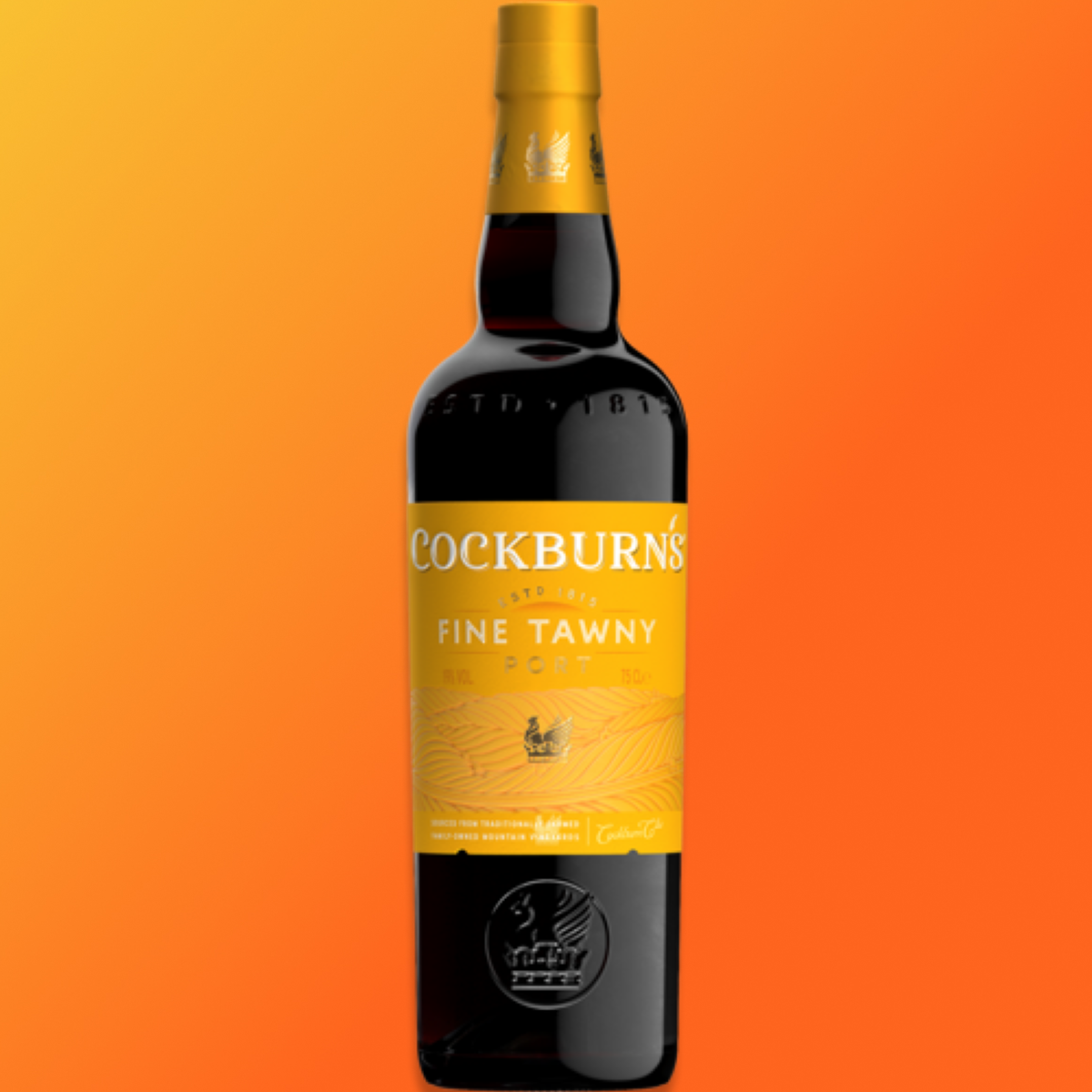
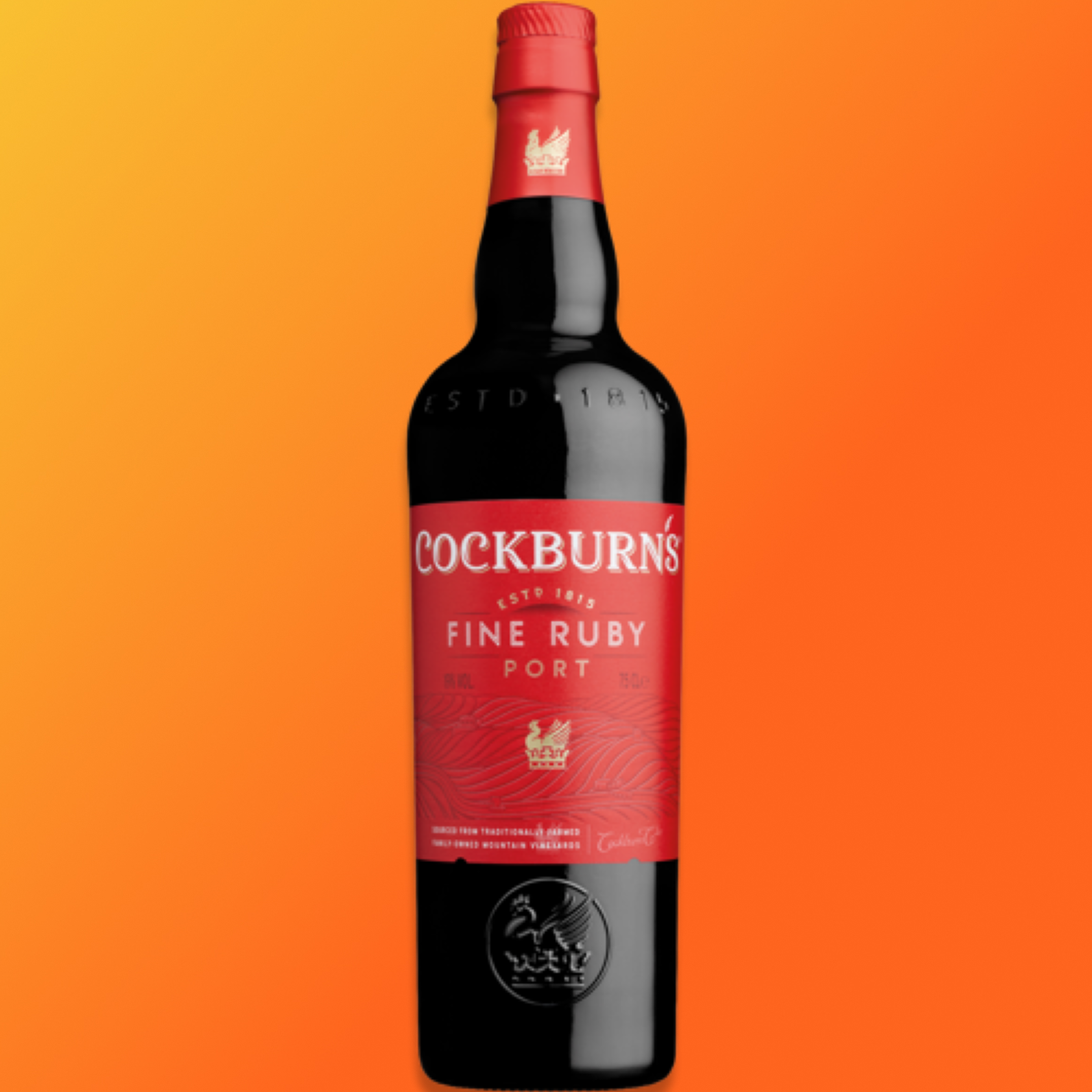
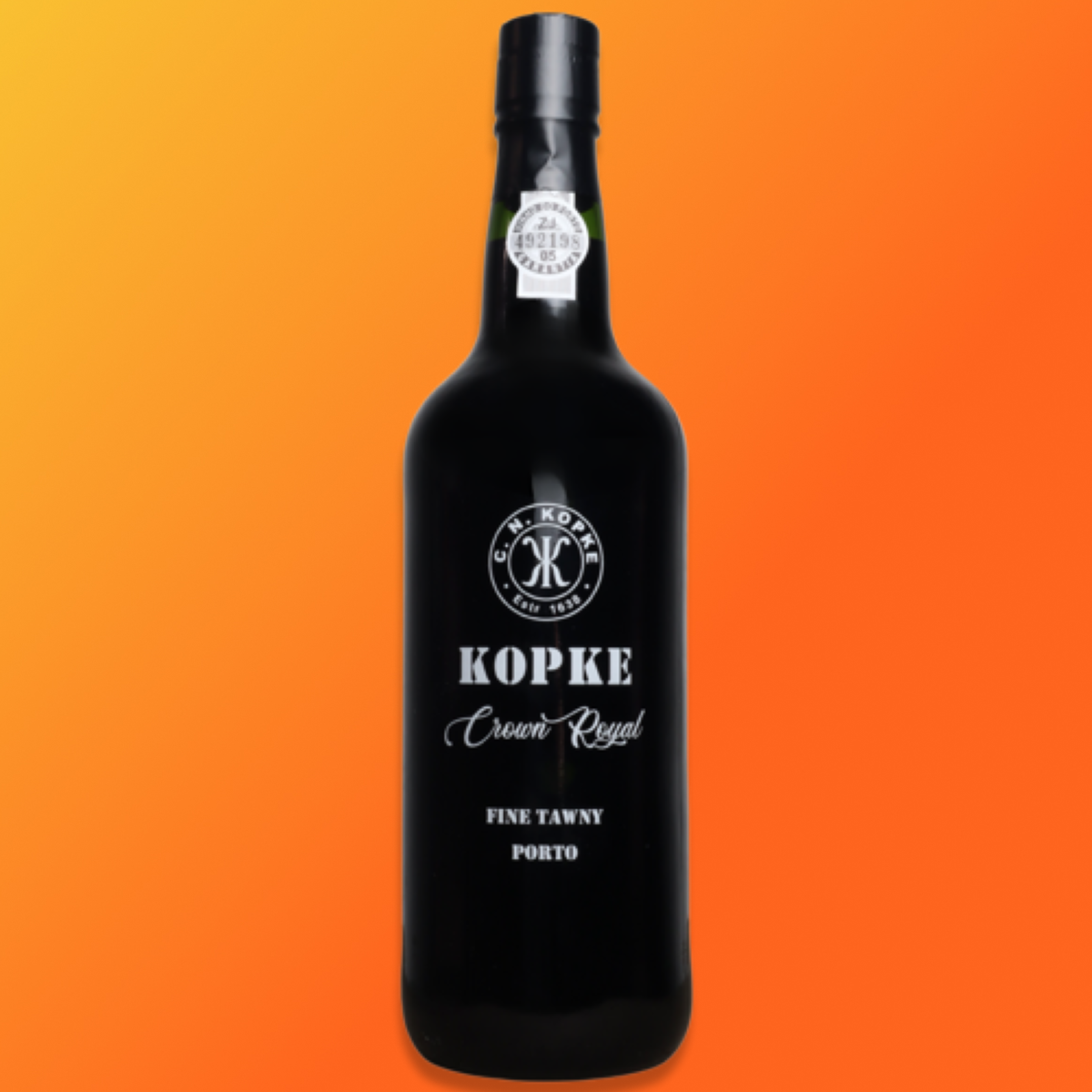
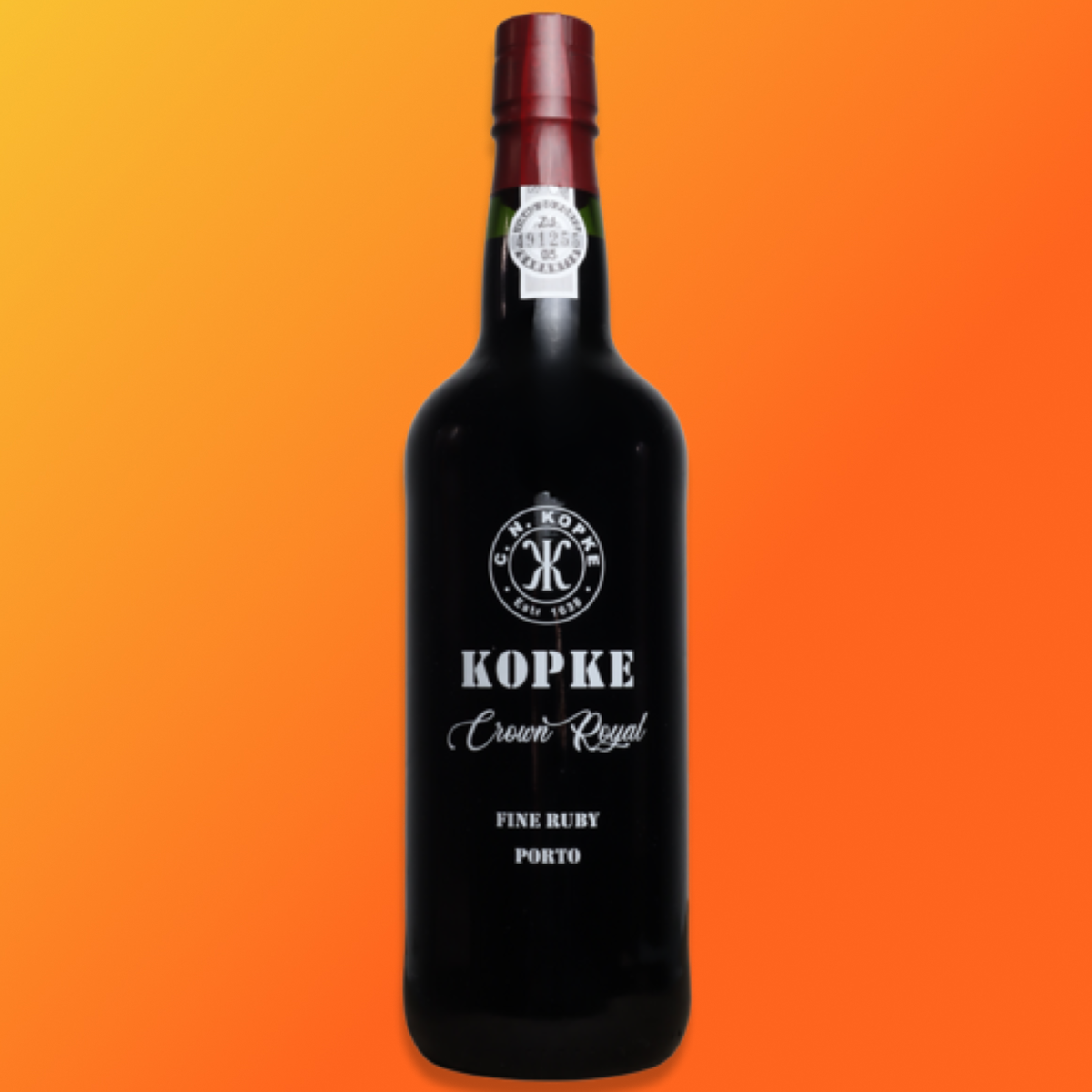
Prices as of November 24, 2026, as reported by Gall & Gall. You can see the current price and stock at Gall & Gall. Glazen.nl receives a small commission if you buy something through these links; it won't cost you anything extra. No alcohol under 18.
Everything for your bar,
to one address
Hospitality-quality glasses, sold as a set. Order today, delivered quickly.
Shop glasses →