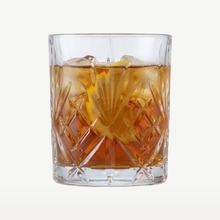
Mammoet Budgetline Bostonshot Shot Glass 3,5 Cl - 6 Pieces

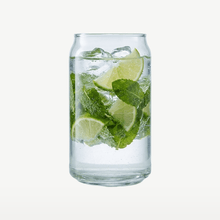
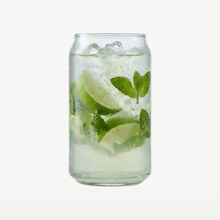
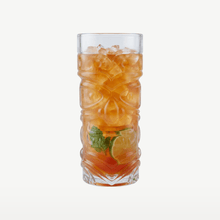
Mammoet Budgetline Jordaan Long Drink Glass 27 Cl - 12 Pieces
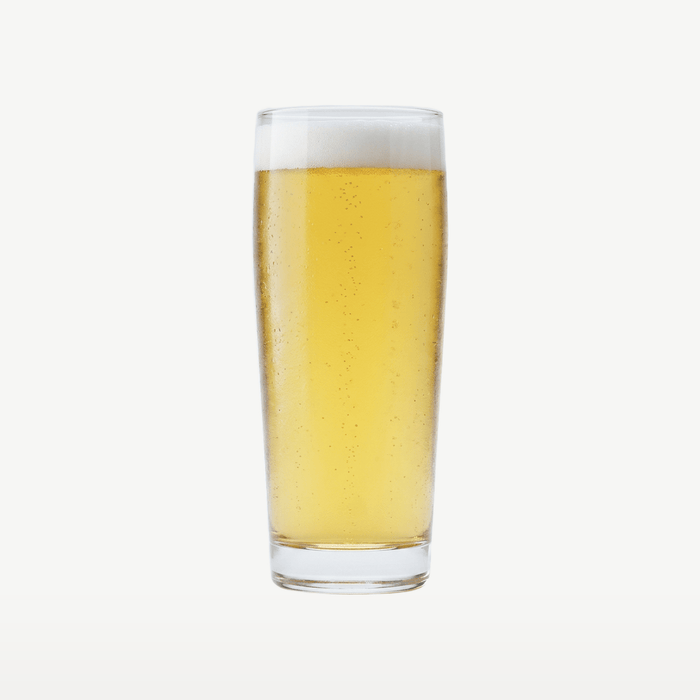
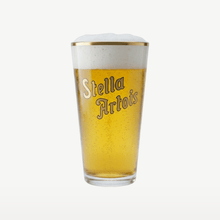
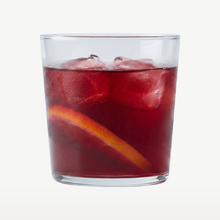
Mammoet Budgetline Fluitje Beer Glass 19 Cl - 12 Pieces

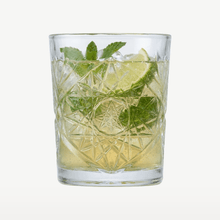
Mammoet Budgetline Amsterdam Beer Glass / Vase 34 Cl - 12 Pieces

From sand to molten glass
Ordinary glass is made from quartz sand, soda ash, and lime. The sand is the glass itself, soda ash lowers the melting temperature from 1,700 to about 1,500 degrees, and lime makes the glass resistant to water. Cullet is also added, so the furnace needs less energy, and sometimes a touch of metal oxide for color or clarity. In crystal glass, titanium or zirconium replaces some of the lime; borosilicate glass also contains boron oxide.
The mixture melts in a furnace that burns day and night, often for years at a time, because a glass furnace will break if it cools down. The furnace produces a viscous mass that is sent to the machines in measured drops, called gobs.
Blowing or pressing
Blowing: a drop of glass falls into a mold, air is blown into it, and the glass takes the shape of the mold. This creates thin-walled glasses: wine glasses, flutes, beer glasses. The stem is then pressed on, or pulled from the still-hot bowl, making it thinner and stronger. Pressing: a plunger presses the drop into a mold. This produces thick, heavy glass with texture, such as the Picardie, a whiskey glass, or an ice cream coupe.
Mouth-blown glass follows the same steps, but with a glassblower at the pipe instead of a machine. Read more in our article about mouth-blown or machine-made glass.
Finishing, annealing, and tempering
After forming, the rim is cut and flame-polished so it is smooth and rounded. The glass then goes through a long cooling furnace, the lehr, where it cools in a controlled way over several hours. This annealing is necessary because glass that cools too quickly retains internal stress and can suddenly crack later. Tempered glass gets another round: it is reheated to 600 degrees and quickly cooled with air, putting the surface under compression and making the glass two to three times stronger.
Finally, quality control, sometimes printing or engraving, and packaging. Our glasses come from factories in France (Arcoroc, Duralex, La Rochère), Italy (Bormioli Rocco, RCR, Luigi Bormioli), Germany (Zwiesel, Spiegelau, Stölzle), and the Netherlands (Royal Leerdam). Also read our article about tempered, crystal, or unbreakable glass, and browse our hospitality glasses.
Blown and pressed
The Arcoroc Islande tumbler is pressed and tempered: thick, heavy, and strong. The Spiegelau Definition is machine-blown with a drawn stem. You can find all the ranges in the hospitality glasses collection.

Arcoroc Islande Tumbler 30 cl (6 pieces)

Spiegelau Definition Wine Glass 55 cl (6 pieces)
Good to know
Where does the sand come from?
From quarries with pure quartz sand and little iron. Iron gives the glass a greenish tint, visible at the edge of a thick glass.
How much energy does making a glass take?
The furnace consumes the most energy. Using a quarter to half cullet in the mixture makes a big difference. Read our article about recycled glass.
Why does a glass have a seam?
That’s where the two halves of the mold met. In good-quality glasses, it’s polished away; in pressed glass, it often remains visible.
Frequently asked questions
What is a drinking glass made of?
Made from quartz sand, soda ash, and lime, with cullet and sometimes metal oxides. Crystal glass contains titanium or zirconium; borosilicate glass contains boron oxide. View our horeca glasses.
How hot is a glass furnace?
About 1,500 degrees. The furnace runs for years at a time, because cooling it down damages it.
What is the difference between blown and pressed glass?
Blown glass is thin and shaped in a mold using air, like a wine glass. Pressed glass is thick and pressed into a mold with a stamp, like a tumbler with a raised pattern.
Everything for your table,
to one address
Catering-quality glasses, supplied in sets. Order today, delivered quickly.
Shop horeca glassware →