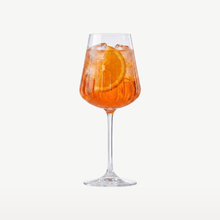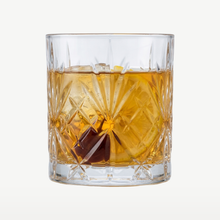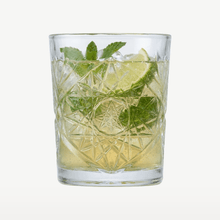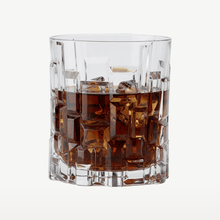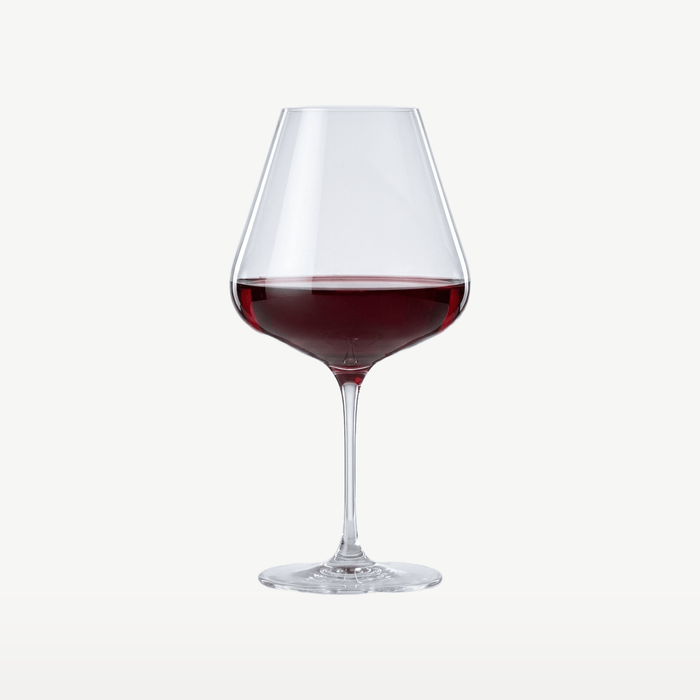
Spiegelau Definition Wine Glass 96 cl Burgundy - 2 Pieces
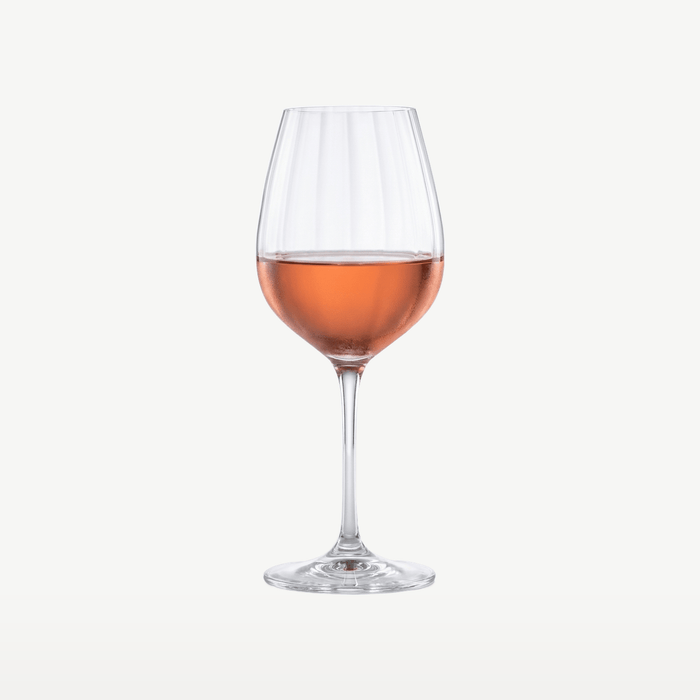
RCR Optiq Wine Glass 45 Cl - 6 Pieces
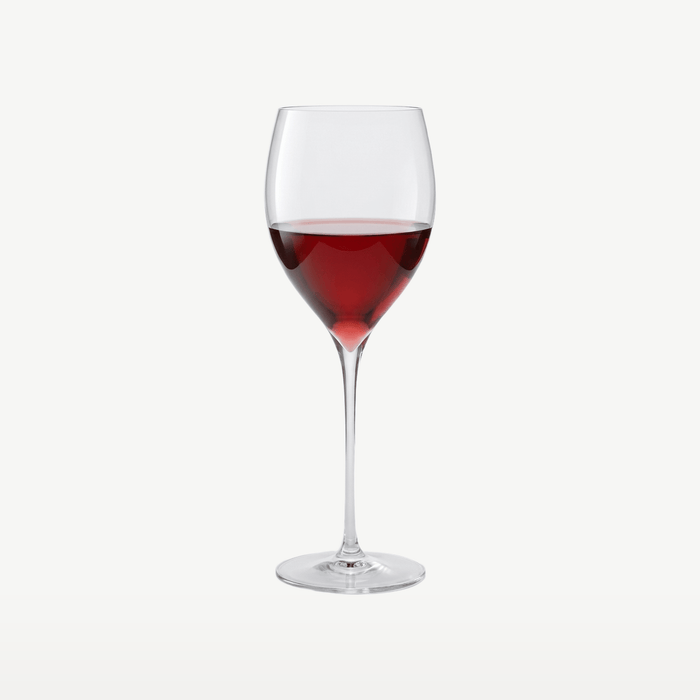
Luigi Bormioli Magnifico Medium Wine Glass 46 Cl - 4 Pieces
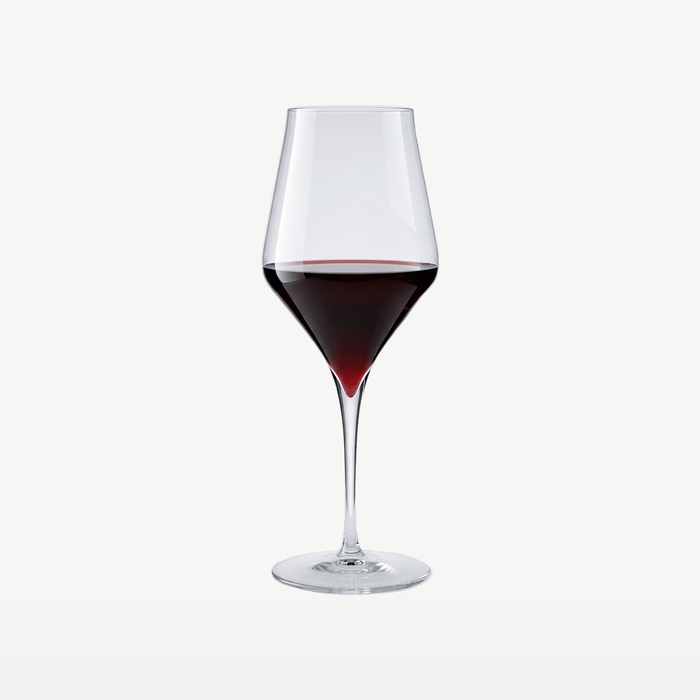
Luigi Bormioli Supremo Bordeaux Wine Glass 55 Cl - 6 Pieces

How to pour
a malbec in
Bring the bottle to 16 to 18 degrees. Argentine malbec is full-bodied and soft, which is exactly why it can quickly taste a little sweet and warm at room temperature. Twenty minutes in the fridge is enough in a warm room; a bottle from a cool cellar, on the other hand, should be left to warm up a little.
Cut around the capsule below the ridge on the neck, then wipe the rim of the bottle clean. Center the corkscrew’s spiral on the cork, turn it straight down until just before the end, then pull the cork out in one smooth motion.
Most Argentine malbecs don’t need decanting; their tannins are soft enough. A firm, earthy malbec from Cahors does benefit from it: half an hour in a decanter makes it more approachable. If you’re unsure, pour a glass and taste to see whether the bottle has opened up.
Pour up to about one-third of the glass, no more. This leaves room above the wine to swirl, bringing out the aromas of violet and plum. It’s better to top up with small pours than to fill the glass all at once.
What did you think of this guide?
Just click a star once. If you'd like to add a comment, we'll review it before it appears here.
Save this page
Send this page to your own email so you have the information handy when you're ready to pour. You'll also get a € 5 discount code on orders over € 50, for the glasses that go with it.
The story
Malbec is a French grape that became more famous in South America than it was at home. In Cahors, in southwestern France, it is the main grape and is also known as côt or auxerrois; there it makes a dark, almost inky wine with firm, earthy tannins. In Argentina, the same grape found its way to Mendoza, where vineyards lie high in the Andes. There it produces something quite different: full-bodied, round and velvety, with ripe dark fruit. The way this grape turns out so differently makes malbec one of the clearest examples of what a region can do to a wine.
The right glass
Malbec calls for a tall bowl with plenty of capacity, usually 55 to 70 centiliters. That space lets the wine breathe, bringing out the dark fruit and floral violet notes, while the tapered rim keeps the aroma in the glass instead of letting it dissipate. A small glass makes a full-bodied malbec seem flat. Compare sizes among the large wine glasses or browse the red wine glasses.

Stölzle Lausitz Revolution Wine Glass 65 cl (6 pieces)

Luigi Bormioli Atelier Wine Glass 61 cl (6 pieces)
Both sets together € 94,90.
The right tools
For a malbec, besides the glass, you mainly need a corkscrew and, for a tightly wound bottle from Cahors, a decanter. The bar tools below only come in handy when you use the wine to make a tinto de verano: a bar spoon for stirring and a jigger for precise measuring. These are the bar tools we use ourselves; you can find everything in our bar tools & cocktail sets.


Glass set (our choice 01) + 2 bar tools together € 64,85.
What to pour alongside it?
Malbec is rarely served on its own. These are the wines that accompany it in the same meal, from a glass of cava beforehand to a sweet moscato with dessert. Each drinks page tells you the alcohol percentage, what it tastes like, which cocktails go with it, and which glass you need.


Variations & twists
The biggest difference lies not in the grape but in where it comes from. Argentine Malbec from Mendoza is full-bodied, rounded, and soft in tannins, with plum, blackberry, and cocoa notes. French Malbec from Cahors is often labeled côt or auxerrois and is tighter, earthier, and more inky, with a firmer finish. Malbec is also used in blends, where it mainly adds color and dark fruit to other red grapes. Want to read more? Explore all drinks and brands.
Serving tip
Serve at 16 to 18 degrees. In Argentina, Malbec is the wine served with asado, meat cooked over a wood fire, which immediately hints at what it goes best with: steak, grilled entrecôte, short ribs, or chimichurri. Its soft tannins also stand up to dishes with a little smoke or paprika. It is too heavy for light fish or a fresh salad.
Good to know
What vineyard altitude does
Mendoza’s vineyards are high up, often around a thousand meters and sometimes well above that. High in the mountains, the difference between day and night is significant: the days are warm enough to ripen the grapes, and the nights are cold enough to preserve their acidity. This makes the wine full-bodied yet fresh. The sunlight is also stronger at that altitude, which is associated with thicker skins and therefore more color.
Côt, auxerrois and Malbec
The same grape goes by different names in France. In Cahors and the surrounding area, you’ll find côt and auxerrois, while elsewhere it’s simply called Malbec. In Argentina, Malbec is the name on almost every label. If you see côt or auxerrois, expect a more structured, earthier wine than the rounded style you know from Mendoza.
Why Malbec feels less astringent than Cabernet
Malbec does have tannins, but they generally feel rounder and less sharp than those in Cabernet Sauvignon. Combined with ripe, dark fruit, this makes the wine approachable right away: it rarely needs an hour of decanting. That’s also why many people choose Malbec as their introduction to full-bodied red wines.
That cocoa note in the glass
Many Malbecs smell and taste of cocoa or dark chocolate. Some of this comes from the grape itself, which is naturally full of dark fruit; some comes from the oak barrel, where the wine often spends time. More oak makes this sweet, toasty side more pronounced. An unoaked Malbec tastes more directly of plum and blackberry.
How much alcohol it contains and how long it can age
Malbec is roughly 13 to 15 percent alcohol; the exact percentage is on the label. Most bottles are at their best within about five years, though a Malbec from a better growing region can age longer. Once opened, a bottle will keep its flavor for another two to three days if sealed with a stopper and kept cool.
Frequently asked questions
At what temperature should you serve Malbec?
Between 16 and 18 degrees. In a room at 21 degrees or warmer, Malbec will taste sweet and alcoholic, so put the bottle in the fridge for twenty minutes. There’s no need to chill it below fourteen degrees: that’s when the rounded, velvety qualities that define the wine start to disappear.
What’s the difference between Argentine and French Malbec?
It’s the same grape, but not the same wine. Argentine Malbec from Mendoza is full-bodied, rounded and velvety, with plum, blackberry, violet and cocoa notes. French Malbec from Cahors, often called côt or auxerrois, is more structured, earthy and inky, with more grip on the finish. So the region on the label tells you more than the grape name.
Which glass should you use for Malbec?
A tall glass holding around 55 to 70 centiliters. The space lets the dark fruit and floral notes open up, while the tapered rim keeps the aromas in the glass. Pour to one-third full and hold the glass by the stem so the wine doesn’t warm up in your hand.
What do you eat with Malbec?
Grilled meat. In Argentina, Malbec is a classic pairing for asado, so steak, entrecôte or short ribs with chimichurri work particularly well. Dishes with a little smoke or roasted bell pepper can also stand up to it. Light fish and fresh salads are too delicate for this wine.
Also delicious
Buy Malbec
Want the bottle delivered straight to your door? Order Malbec online from Gall & Gall. Gall & Gall has 32, 2 of which are on sale.
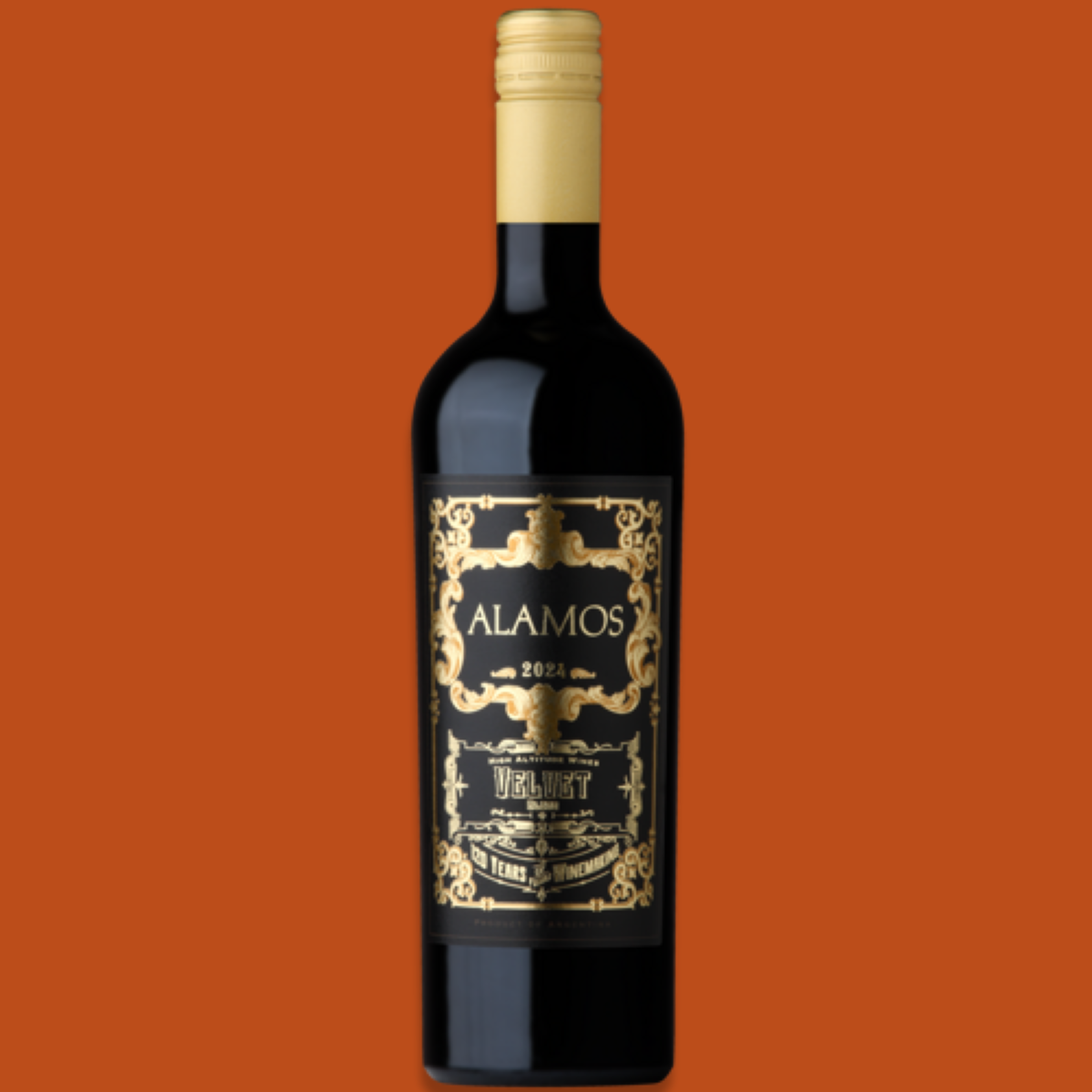
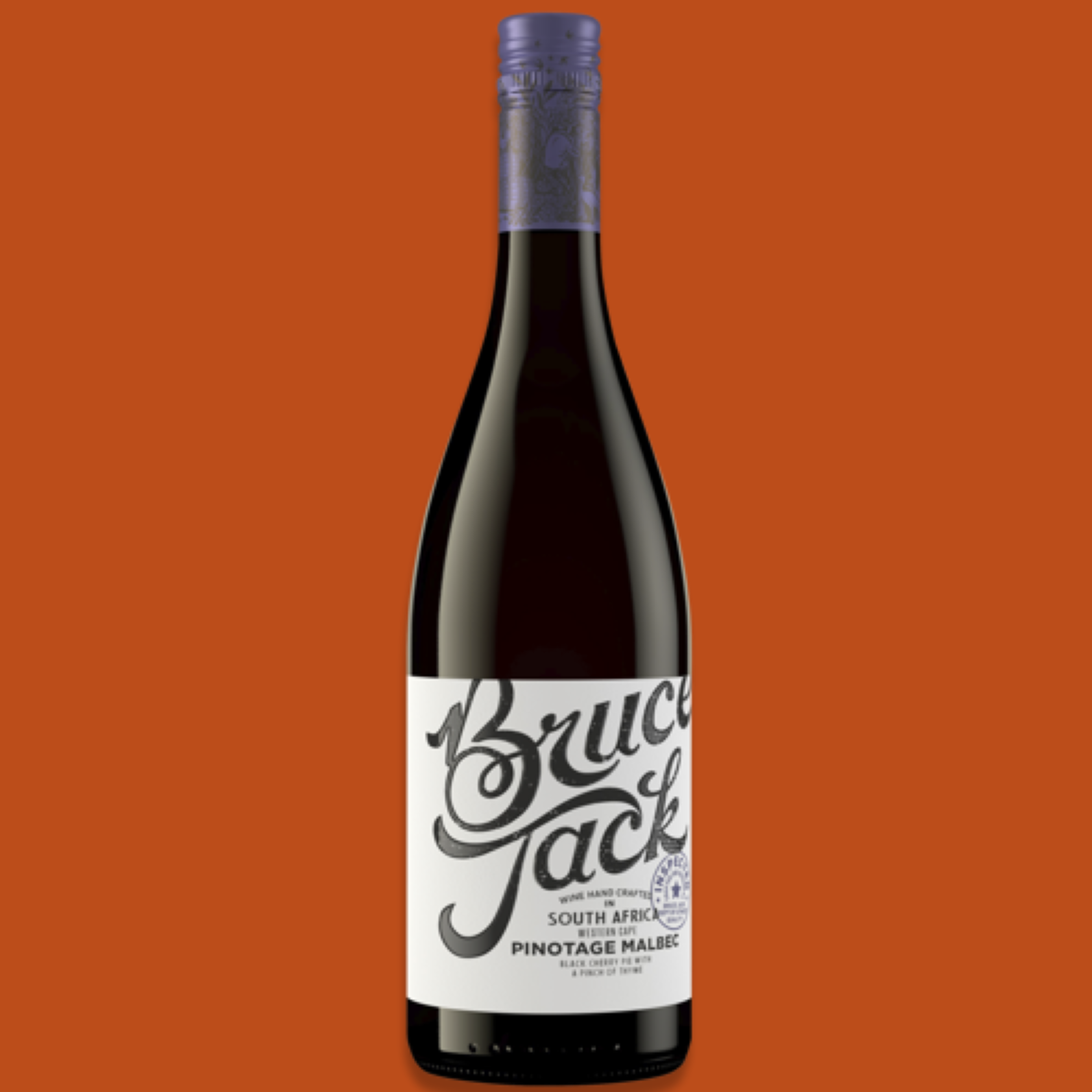
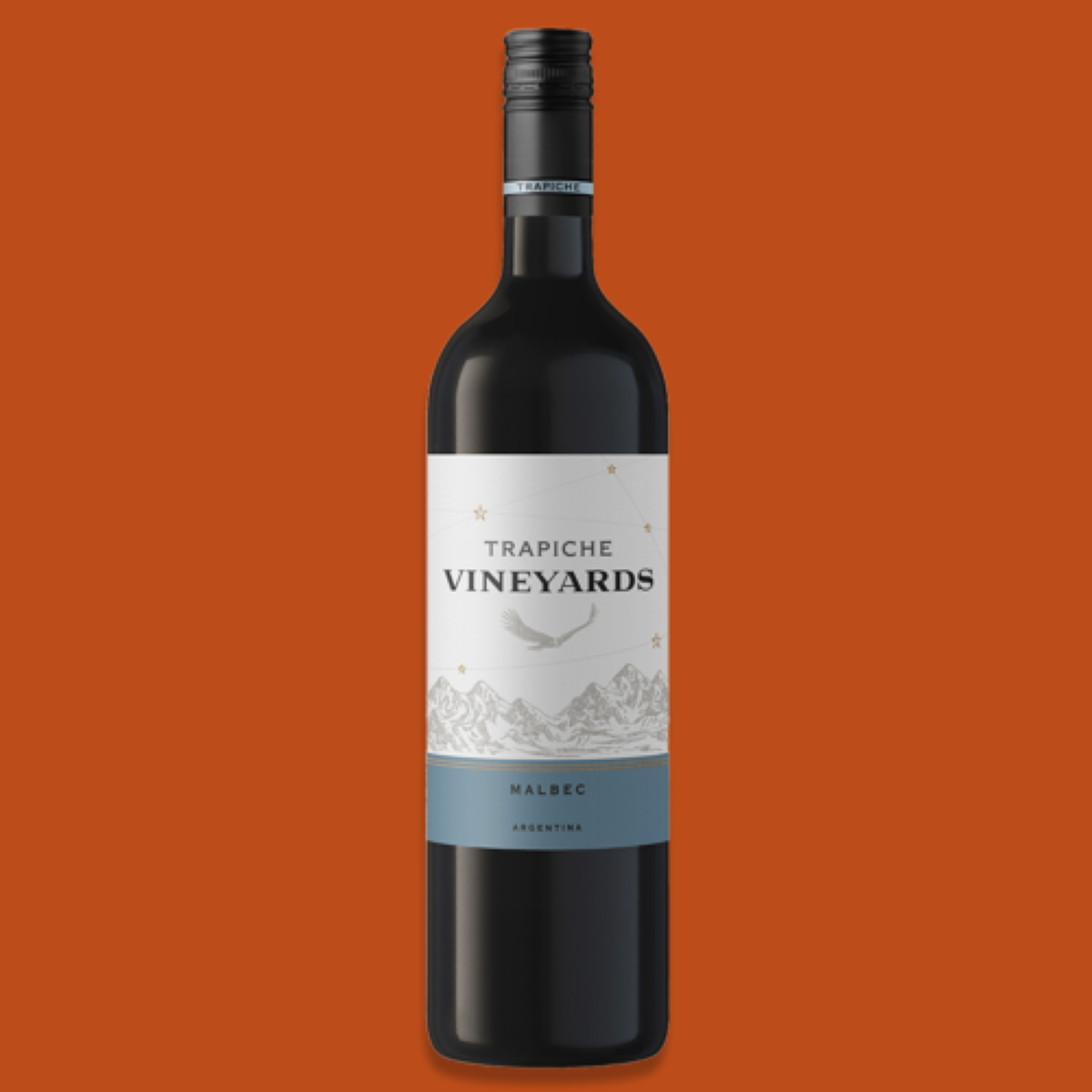
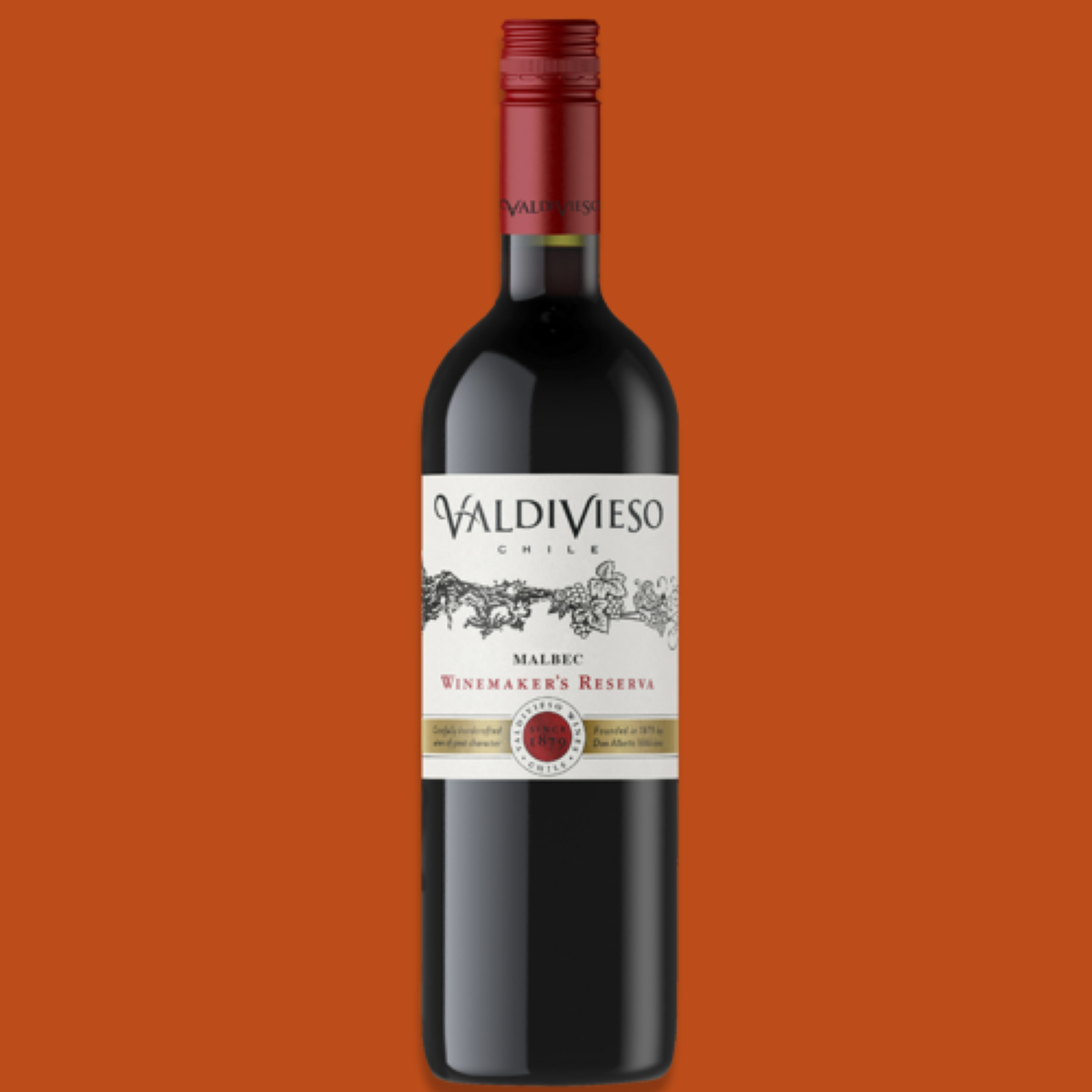
Prices as of November 21, 2026, as reported by Gall & Gall. See the current price and stock at Gall & Gall. Glazen.nl receives a small commission if you buy something through these links; it costs you nothing extra. No alcohol under 18.
Everything for your bar,
to one address
Hospitality-quality glasses, sold in sets. Order today, delivered fast.
Shop glasses →