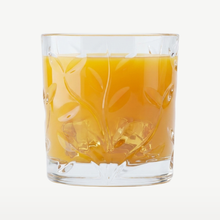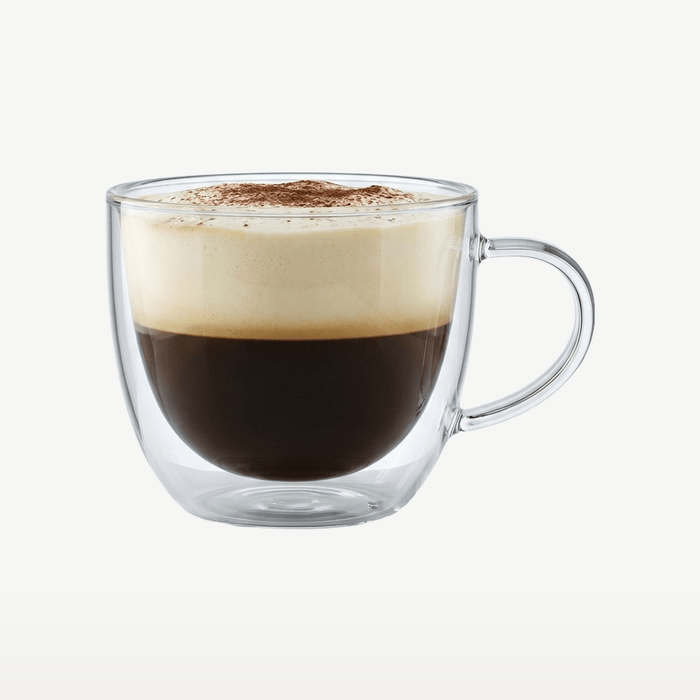
Luigi Bormioli Thermic Glass Cappuccino Glass 24 Cl Sublime Cappuccino - 2 Pieces
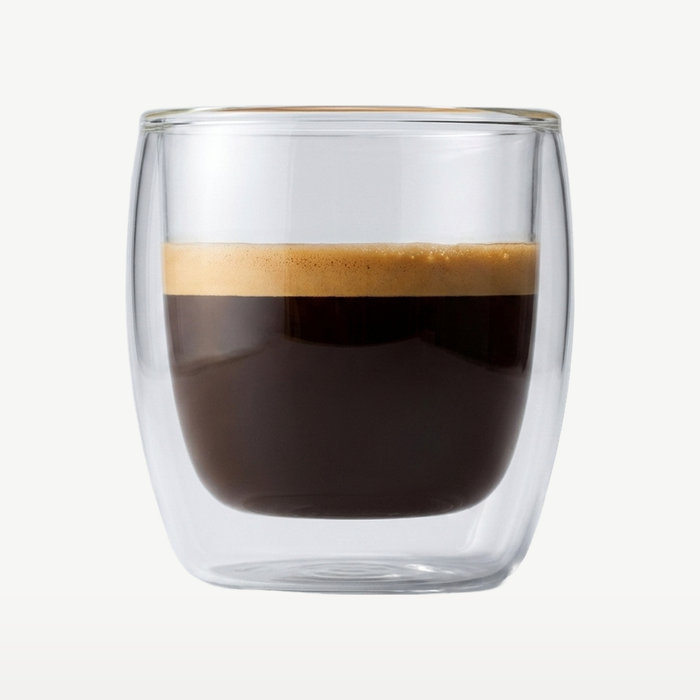
Luigi Bormioli Thermic Glass Coffee Glass 11 Cl Michelangelo - 2 Pieces

Luigi Bormioli Thermic Glass Coffee Glass 11,5 Cl Ametista - 2 Pieces

Luigi Bormioli Thermic Glass Conical oil bottle 25 Cl

Making tea
for your table
Use two grams of loose-leaf tea, about one level teaspoon. Put the leaves loose in the cup or in a roomy infuser. Leaves with space to expand unfurl and release their flavor, while half the leaves stay trapped in an overfilled infuser.
Boil the water, then let it cool to the temperature suited to your tea. Green and white tea need around 80 degrees, oolong 90 degrees, and black tea and pu-erh 95 to 100 degrees. No thermometer? Turn off the kettle and wait two to three minutes.
Pour the water over the leaves and set a timer right away. Green tea needs two to three minutes, white and oolong three to four, and black tea three to five. Herbal tea can steep for seven to ten minutes. If you leave black or green tea to steep longer, you’ll taste more bitterness, not more flavor.
When the time is up, remove the leaves or the strainer right away. Otherwise, the tea will keep steeping in the cup. Stir in the honey now. Add milk only to black tea, and only after removing the leaves. Lemon goes well with black tea, but never with milk.
What did you think of this recipe?
One click on a star is enough. If you'd like to add a comment, we'll review it before it appears here.
Save this recipe
Email the tea recipe to yourself so you have it handy when you're ready to make it. You'll also get a € 5 discount code on orders over € 50, for the glasses that go with it.
The story
All true tea comes from Camellia sinensis, a shrub harvested mainly in China, India, Sri Lanka, Japan, and Kenya. The difference between white and black tea comes after harvesting. How long are the leaves left to wither? Are they allowed to oxidize, and do they then age further? Green tea is heated early, so oxidation stops straight away. Black tea is allowed to darken completely. Oolong falls somewhere in between. Mint, chamomile, and rooibos don't belong in this group, because they come from entirely different plants and contain no caffeine.
The right glass
A tea glass needs to withstand hot water, and you still need to be able to hold it. A double-walled tea glass does both. The inner wall keeps the heat in, while the outside stays cool enough to hold. The clear glass also lets you see the color of green or herbal tea. If you prefer black tea or tea with milk, choose a larger mug with a handle, around 32 centiliters. Find more well-insulating styles in our double-walled glasses collection.

Luigi Bormioli Thermic Glass Tea Glass 22 cl (2 pieces)

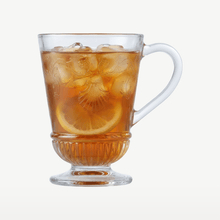
Bormioli Rocco Icon Mug Tea Glass 32 cl (6 pieces)
Both sets together € 45,90.
The right tools
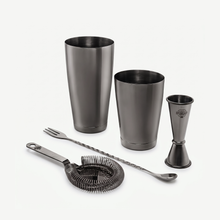
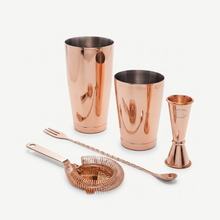
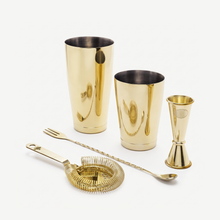
To make a cup of loose-leaf tea, use a fine strainer alongside your glass to catch the leaves, and a long bar spoon to stir in the honey. These are the bar tools we use ourselves; find them all in our bar tools & cocktail sets.


Glass set (our pick 01) + 2 bar tools together € 47,85.
Which splash goes in your tea?
Tea is great on its own, but in winter people often add a splash: rum in black tea, whisky with honey and lemon in a hot toddy, or a liqueur after dinner. Each drinks page tells you the alcohol percentage, what it tastes like, which cocktails it goes with, and which glass you need.


Variations & twists
Brew the same tea twice as strong, let it cool, and pour it over ice. That’s how you make iced tea. Add milk, cinnamon, ginger, and cardamom to black tea, and you’ve got a chai latte. Add tapioca pearls to the bottom, and it becomes bubble tea. Green tea can also be ground into a powder to make a matcha latte. Want more? Take a look at over 100 cocktail recipes.
Serving tip
Take the leaves out of the pot before bringing it to the table. That way, the last cup tastes just as good as the first. Serve milk and honey on the side; everyone likes it differently anyway. And rinse the glasses with hot water first. Otherwise, your tea will lose a few degrees in the first minute.
Good to know
What types of tea are there?
White, green, oolong, black, and pu-erh are all made from Camellia sinensis. The difference comes after picking. White tea is only withered and dried. Green tea is quickly heated so it doesn’t oxidize. Oolong is partially oxidized, while black tea is fully oxidized. Pu-erh is then left to age further. Herbal tea is often grouped with them, but it isn’t actually tea. Mint, chamomile, rooibos, and fruit blends come from other plants, contain no caffeine, and are officially called infusions or tisanes.
How hot and how long, by tea type
Brew white tea with water at 75 to 85 degrees and steep for three to four minutes. Green tea needs 70 to 80 degrees and two to three minutes. For oolong, use 85 to 95 degrees and steep for three to four minutes. Black tea and pu erh need 95 to 100 degrees and three to five minutes. Herbal and fruit teas can be brewed with boiling water for seven to ten minutes. As a general guide, use about two grams of tea leaves per twenty centiliters of water. If the water is too hot, green and white tea will turn bitter. If it’s too cool, black tea will taste weak.
Loose-leaf tea or a tea bag?
Tea bags are usually filled with broken leaves and dust. They release a lot of flavor quickly, and turn bitter just as fast. Loose leaves are larger and fully unfurl in the water. They release their flavor more slowly, so you can really taste the difference between two and four minutes. Tea bags are convenient and cheaper per cup. With loose-leaf tea, you get more out of it, and you can often steep green tea or oolong two or three times. Use a roomy infuser, or leave the leaves loose in the pot and strain as you pour.
Water matters more than you think
Tea is more than ninety-nine percent water, so the water from your tap has a big impact on its flavor. Hard, mineral-rich water makes black tea taste flat and dusty, and after a few minutes you’ll see a thin film floating on top. The same tea tastes brighter in soft water. Always use fresh tap water and boil it only once. Water that’s been sitting for a long time or boiled twice has less oxygen and tastes dull. If you live in an area with hard water, a filter pitcher makes a big difference.
How to store tea
Air, light, heat, and moisture are bad for tea leaves, which also easily absorb odors from other things. Use a tightly sealed, lightproof container and store it somewhere dry. Ideally, keep it away from coffee and spices. Green and white teas are the most delicate and taste best within six months to a year. Black tea keeps longer. Pu erh is made to age for years. There’s no point keeping tea in the refrigerator, because moisture condenses on the container as soon as you take it out.
Glass or mug, and which tea?
Green, white, and herbal teas have beautiful colors, which are best seen in clear glass. A double-walled tea glass also keeps them warm while remaining comfortable to hold. Black tea and tea with milk are usually served in a larger size. In that case, a mug with a handle works better. It holds more, gives you a firm grip, and lets the tag on your tea bag hang neatly over the handle. Oolong and pu erh, on the other hand, are best served in a small cup of fourteen to twenty-two centiliters, because you steep them multiple times.
Frequently asked questions
How much tea should you put in a cup?
About two grams of loose-leaf tea per twenty centiliters of water. For fine leaves, that's a level teaspoon; for larger leaves, a heaped one. If you're making a one-liter pot, use around ten grams. Large, airy leaves like white tea take up much more space for the same weight, so you can use a little more.
How hot should the water be for tea?
It depends on the type. Black tea and pu erh need water at 95 to 100 degrees, and oolong at 85 to 95. White tea needs 75 to 85 degrees, and green tea 70 to 80. If you don't have a thermometer, switch off the kettle and wait two to three minutes. The boiling water will have cooled to around eighty degrees.
How long should you steep tea?
Steep green tea for two to three minutes. White tea and oolong for three to four, black tea and pu erh for three to five. Herbal and fruit teas can steep for seven to ten minutes; there's nothing in them that turns bitter. Be sure to remove the leaves when the time is up. Otherwise, the tea will keep steeping in your cup.
Is herbal tea really tea?
Officially, no. True tea comes from Camellia sinensis. Mint, chamomile, rooibos, fresh ginger, and fruit blends come from other plants, so they're called an infusion or tisane. You prepare them in almost the same way. There are two differences. Herbal tea can be steeped in boiling water for much longer, and it contains no caffeine.
Also delicious
Everything for your bar,
at one address
Hospitality-quality glasses, sold in sets. Order today, delivered quickly.
Shop the glasses →