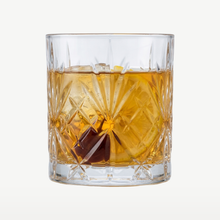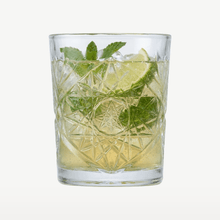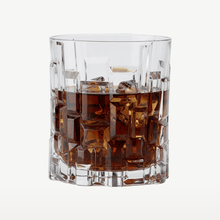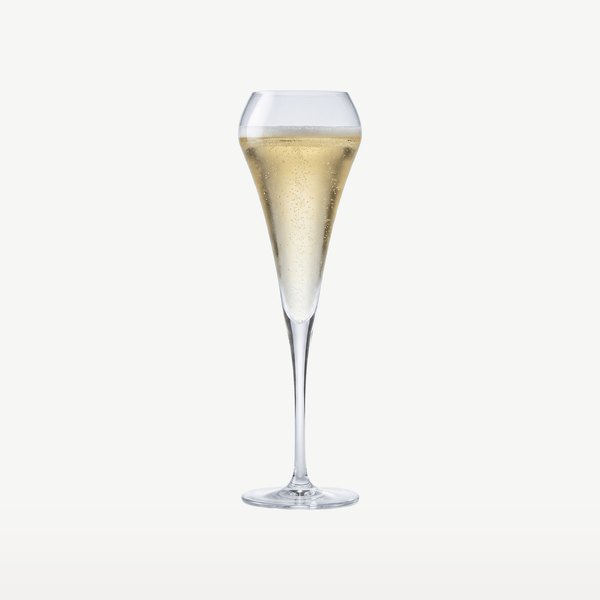
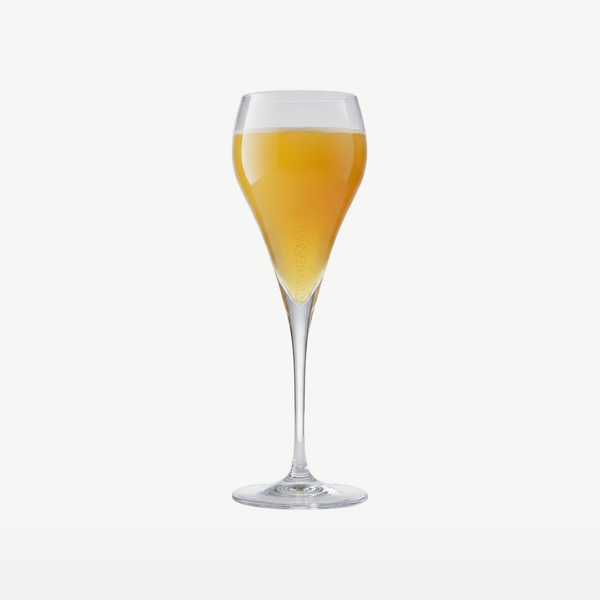
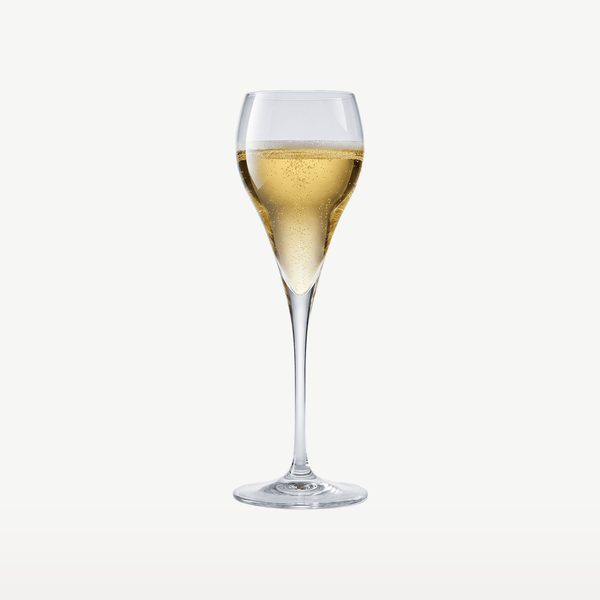
Chef & Sommelier Open Up Champagne Glass / Flute 20 Cl - 6 Pieces
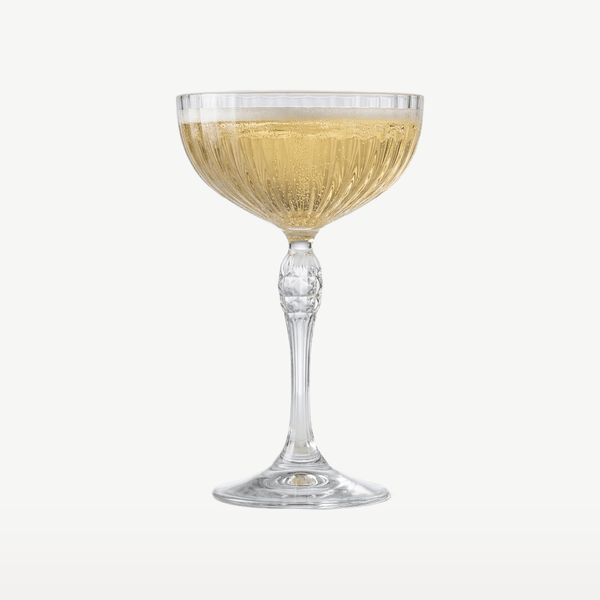
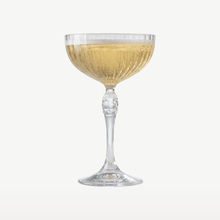
Bormioli Rocco America'20S Champagne Glass / Coupe 22 Cl - 6 Pieces
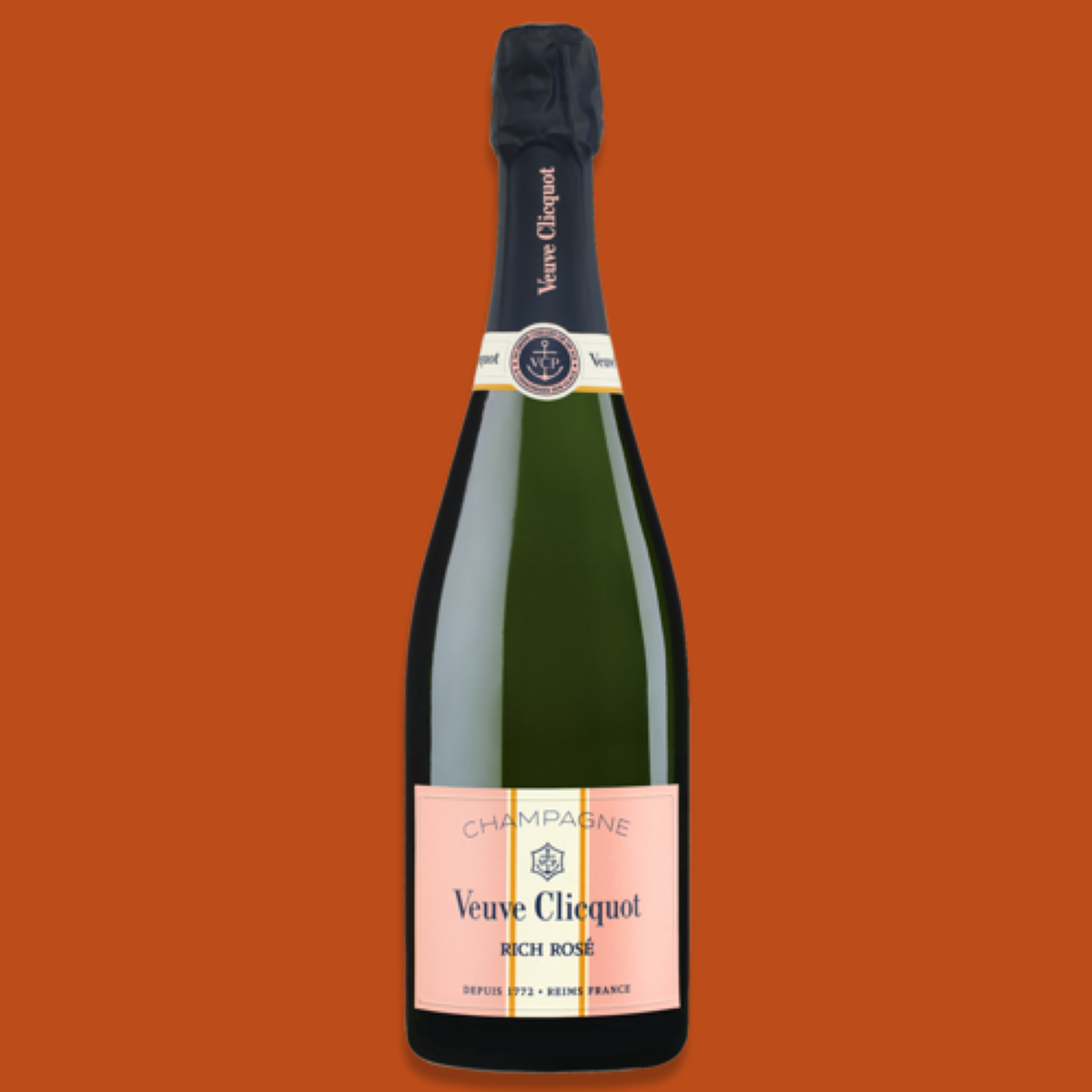
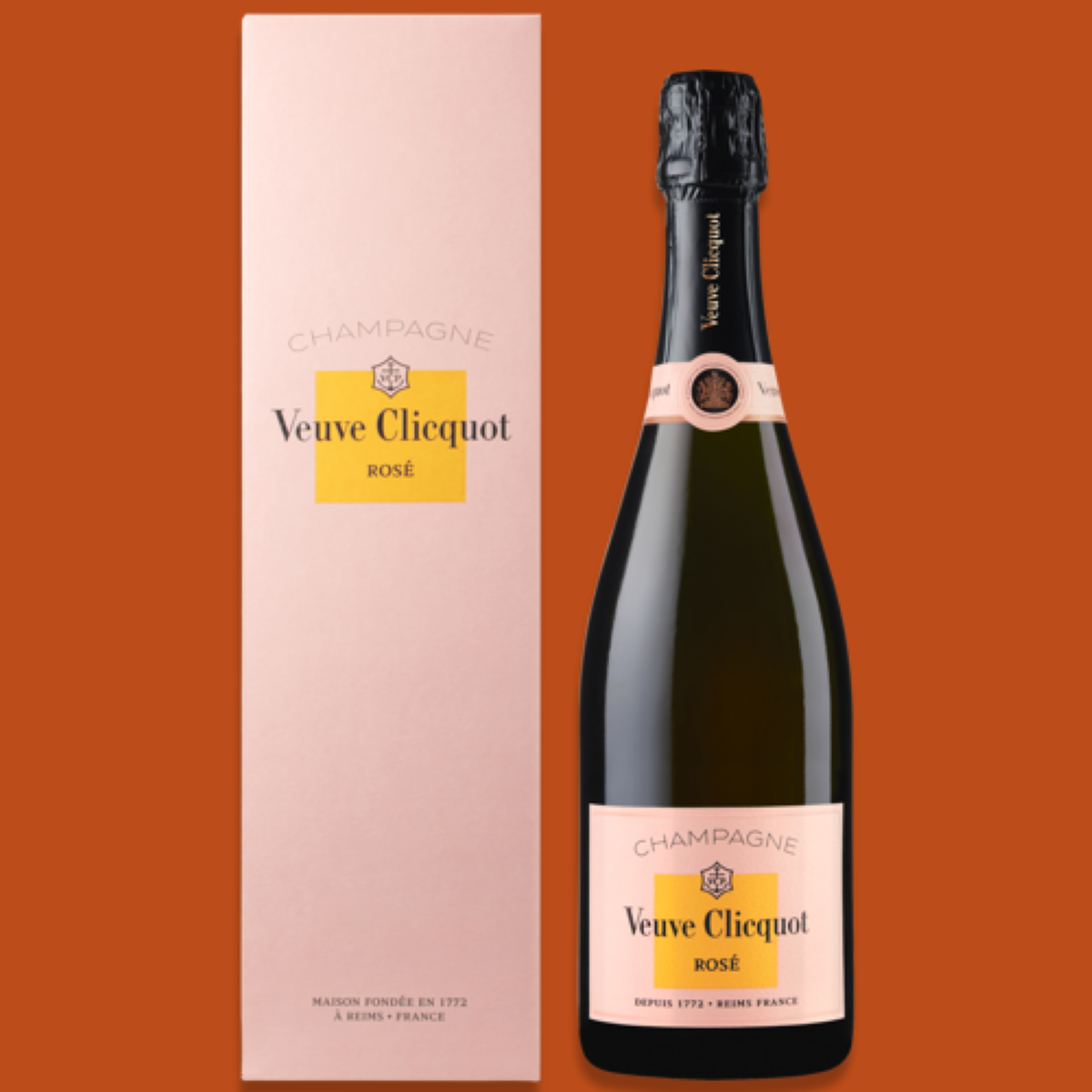
Veuve Clicquot Rosé
Not a pale summer rosé, but a copper-colored champagne bursting with red fruit. That red fruit comes from the 12 percent red wine added to the blend, on top of the same grapes as in Yellow Label.


Rosé made with red wine
Most rosé gets its pink color by briefly steeping the skins of dark grapes in the juice. In Champagne, there’s another way: you add still red wine to a white base wine. Veuve Clicquot uses the latter method. The base is the same blend as Yellow Label, with 50 to 55 percent pinot noir, 28 to 33 percent chardonnay and 15 to 20 percent meunier, supplemented with 30 to 45 percent reserve wines from previous harvests. Then 12 percent red wine is added, and that percentage determines both the copper color and the fruit character. The house has a history with this: the first known blended rosé is credited to Madame Clicquot.
The result differs from Yellow Label more than you might expect from a single addition. While the yellow bottle tends toward pear, citrus and almond, here a layer of red fruit makes the champagne fuller and juicier. The alcohol content is also slightly higher: 12.5% instead of Yellow Label’s 12%. That’s no coincidence, but a result of the red wine in the blend, which comes from grapes harvested when riper.
In brief
Raspberry and wild strawberry with pastry underneath
Red fruit takes the lead
An explosion of red fruit: raspberry and wild strawberry first, followed by cherry and blackberry. It smells ripe but not jammy.
Full and juicy
Vinous and full-bodied, with more body than the yellow bottle. The fruit fills the whole mouth, and the bubbles carry it along rather than cutting through it.
Pastry
Beneath the fruit are pastry-like notes from aging on the lees. They make the finish warmer and keep the rosé from tasting like fruit juice.
Rosé flavor profile at 8 to 10 degrees. The fruit seems sweeter than it is: the style is still that of a dry champagne.
How to pour Rosé
Chill to 8 to 10 degrees, and no colder. Below that, the red fruit that makes this bottle worth buying disappears, leaving little more than acidity and bubbles.
On its own in a large bowl glass
Pour about 12 cl down the side of a tilted glass, filling it two-thirds full. A 75 cl bottle makes six glasses. Let the glass stand for a minute before smelling: the raspberry only comes through as the champagne warms slightly.
Glass: tulip glass or wine glass →With shellfish
This bottle is at its best with shrimp, lobster, and oysters. The red fruit has enough body to stand up to the sweet shellfish, while the acidity cuts through the richness of a sauce.
Champagne glasses →As a pink Kir Royale
Add 15 ml crème de cassis to the bottom of the glass and slowly top up with 110 ml chilled rosé. Only do this if you go light on the cassis; otherwise, it will overpower the raspberry already in the wine.
Go to recipe →Cocktails with rosé champagne
The red fruit is already there, so choose a mixer that complements it rather than overpowering it. Keep the addition small and the champagne cold.

Bellini
Peach purée in the glass, topped up with bubbles. Rosé gives it a deeper color and a rounder flavor.
Pink cocktails
A whole range of drinks that call for pink bubbles, from festive to refreshing.
Kir Royal
Crème de cassis with champagne. Go light on the cassis; the fruit comes from the bottle already.
Summer cocktails
Refreshing serves for a warm afternoon, where rosé champagne easily takes the place of prosecco.Which glass goes with rosé champagne?
With this bottle, aroma matters more than bubbles. A tulip-shaped glass or wine glass gives the red fruit room; a narrow flute keeps the mousse for longest but squeezes the raspberry.


More Veuve Clicquot styles

Veuve Clicquot
Where it all began. The brand page tells you all about Veuve Clicquot: origin, styles and classic cocktails.
Go to Veuve Clicquot →
Veuve Clicquot Brut Vintage
A single vintage, partly aged in large oak casks. Apricot, fig, honey and mocha.
Explore Veuve Clicquot Brut Vintage →
Veuve Clicquot Demi Sec
Ripe, candy-like fruit and wine gums over freshly toasted bread. The house's dessert bottle.
Explore Veuve Clicquot Demi Sec →
Veuve Clicquot Rich
Citrus and floral notes, full and rounded. Made for ice cubes and one garnish.
Explore Veuve Clicquot Rich →
Veuve Clicquot La Grande Dame
Made exclusively from Grand Cru grapes, floral and silky. The bottle for oysters and caviar.
Explore Veuve Clicquot La Grande Dame →
Veuve Clicquot Extra Brut Extra Old
Made entirely from reserve wines, the oldest dating back to 1988. Silky smooth, complex, and elegant.
View Veuve Clicquot Extra Brut Extra Old →Everything about champagne: the types, the best-known brands, and the cocktails.
Questions about Veuve Clicquot Rosé
Didn't find your question? Read more on the Veuve Clicquot page or browse our cocktail recipes.
Everything about Veuve Clicquot →What is the alcohol percentage of Veuve Clicquot Rosé?
What's the difference from the regular Yellow Label?
Is this rosé sweet?
What pairs best with Veuve Clicquot Rosé?
What temperature should you serve it at?
Buy Veuve Clicquot Rosé
Want to have the bottle at home right away? Order Veuve Clicquot Rosé online from Gall & Gall.
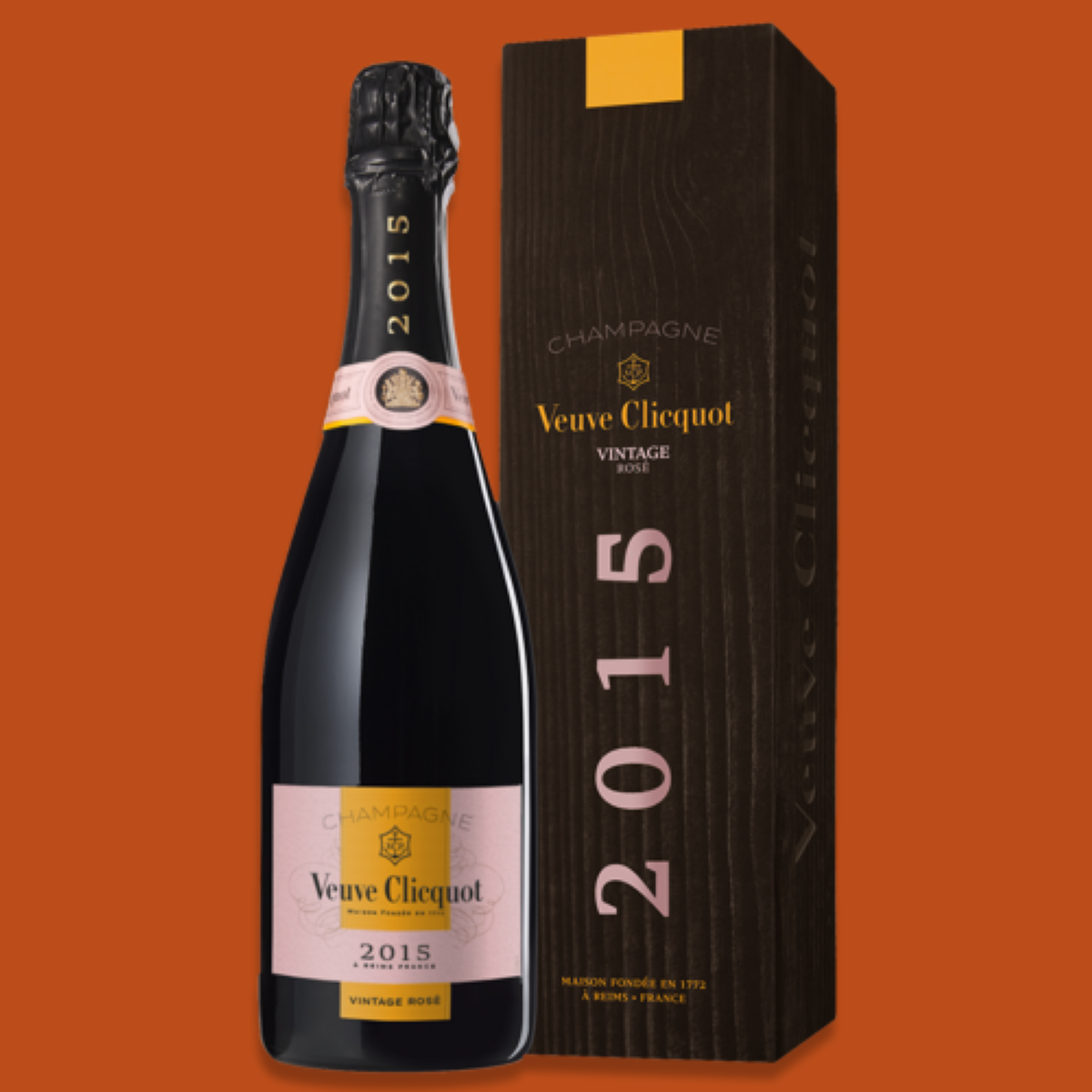
Veuve Clicquot Rosé Vintage
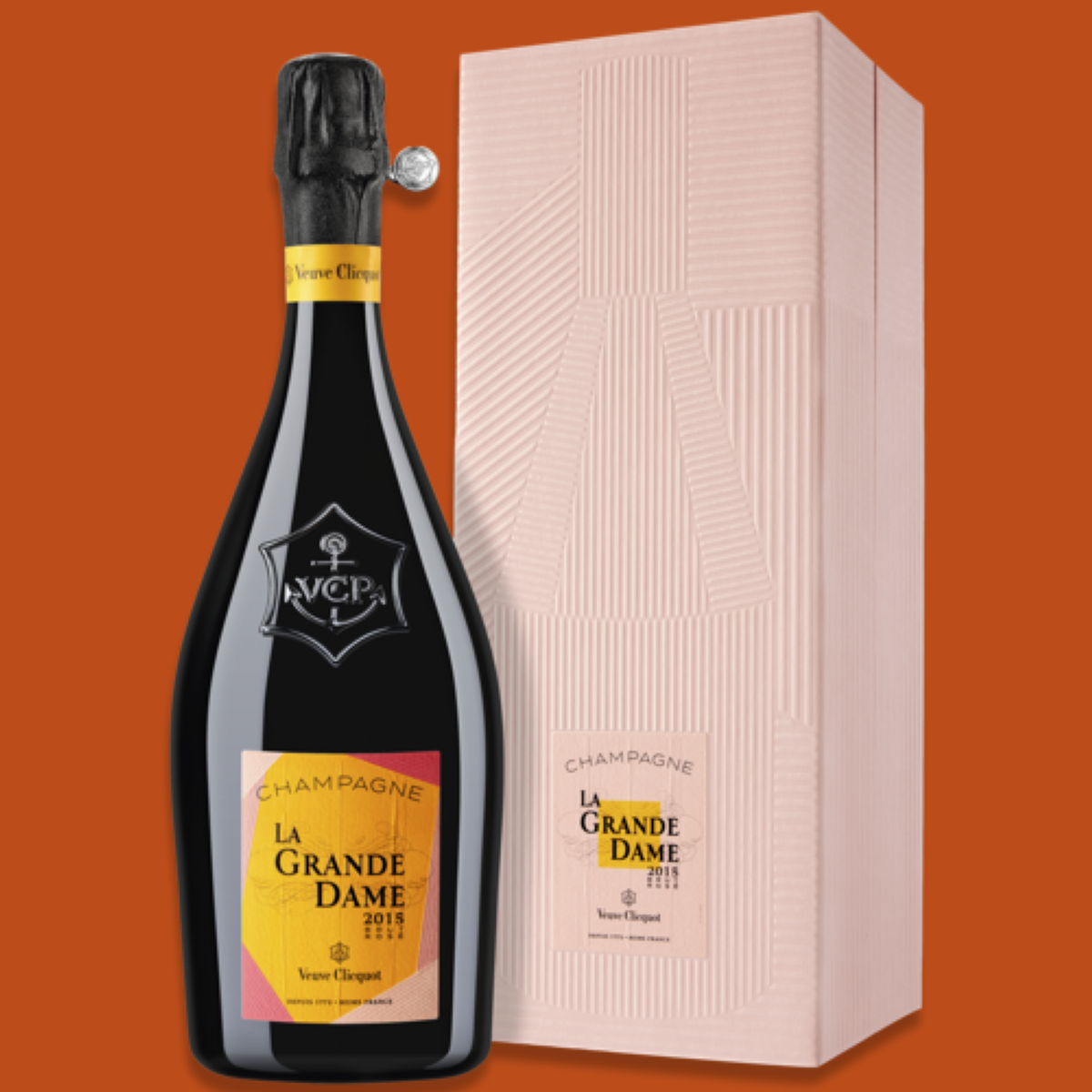
Veuve Clicquot La Grande Dame Rosé
Prices as of November 21, 2026, as reported by Gall & Gall. You can see the current price and availability at Gall & Gall. Glazen.nl receives a small commission if you buy something through these links; it costs you nothing extra. No 18, no alcohol.