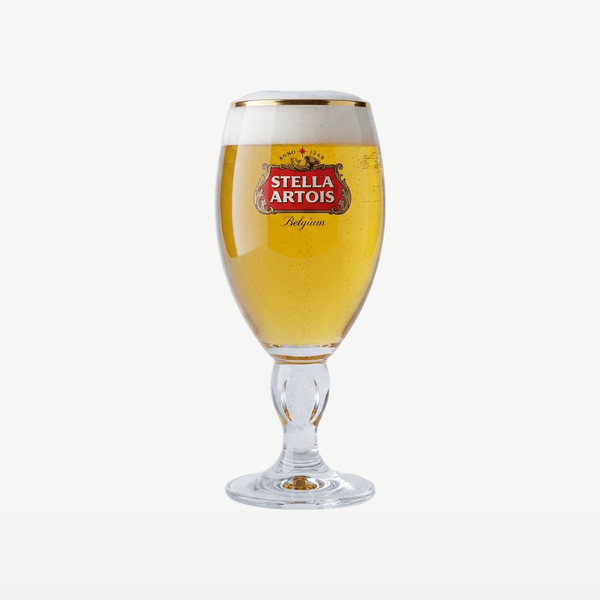
Duvel
Duvel is the well-known strong blonde ale from the Duvel Moortgat brewery in Breendonk, between Antwerp and Brussels. Light in color, dry, hoppy and topped with an enormous head. Here you'll learn where the name comes from, which Duvels are available, what they taste like and how to pour them.


A Flemish brewery with a devilishly strong blonde ale
Duvel comes from the Moortgat brewery, founded in 1871 by Jan-Leonard Moortgat in Breendonk, in Antwerp Province. After the First World War, the family brewed a strong beer that was initially called Victory Ale, in honor of the end of the war. According to the brewery's story, someone tasting the beer called it "a real duvel," Flemish for devil. The name stuck. The brewery is now called Duvel Moortgat. La Chouffe is also part of the group.
Duvel is a strong blonde ale that is top-fermented. It is brewed with light barley malt, aromatic hops and proprietary yeast. Some of the extra alcohol comes from sugar, which ferments almost completely. This keeps the beer light in color and dry, despite its 8.5% ABV. After primary fermentation, Duvel is cold-aged and then undergoes a second fermentation in the bottle. The entire brewing process takes about ninety days. This bottle conditioning gives it fine carbonation and its famous, tall head.
In brief
Which Duvels can you buy?
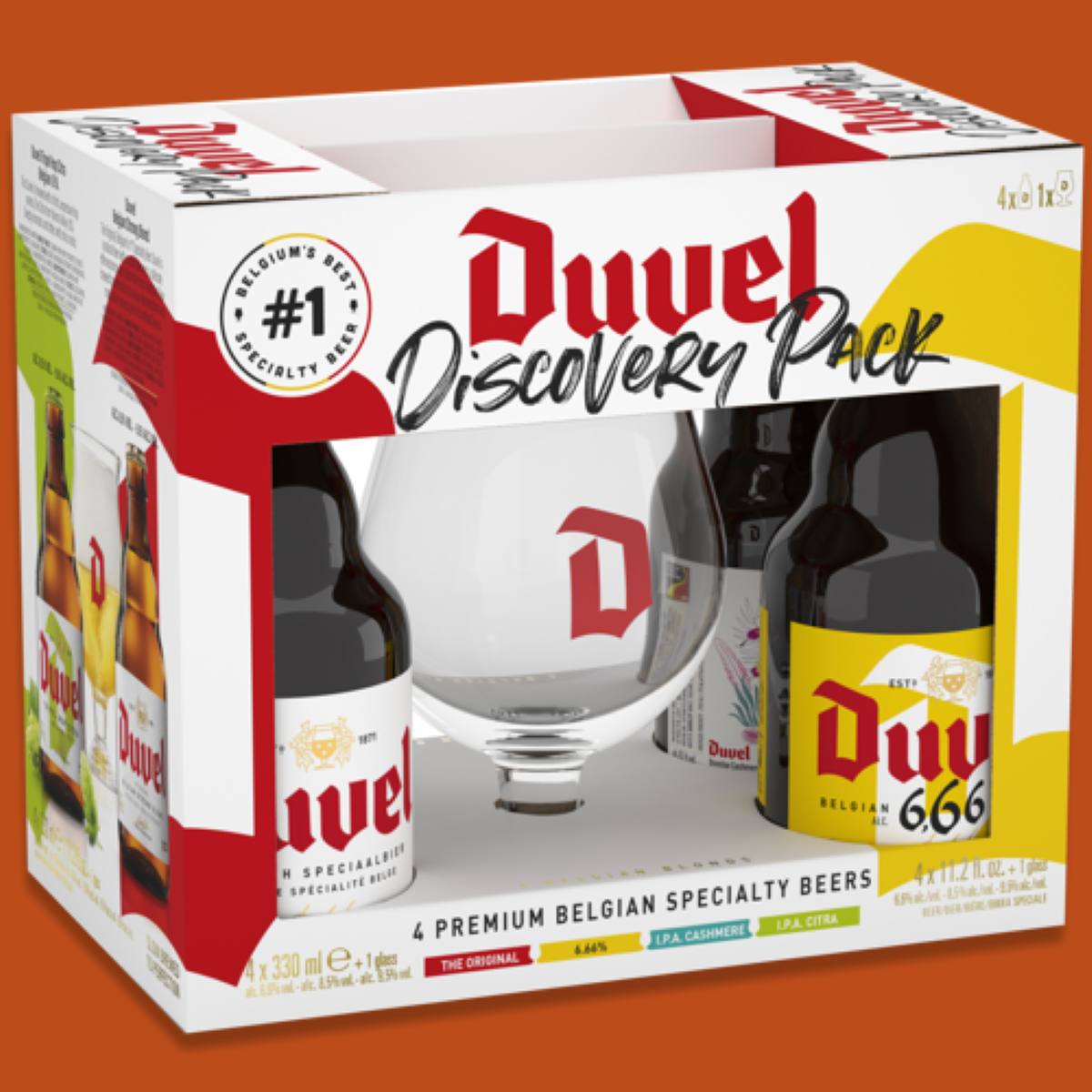
Alongside regular Duvel, the brewery makes a lighter version and hoppy variants. At Gall & Gall, you’ll find these five, including a gift pack with a glass.
Duvel
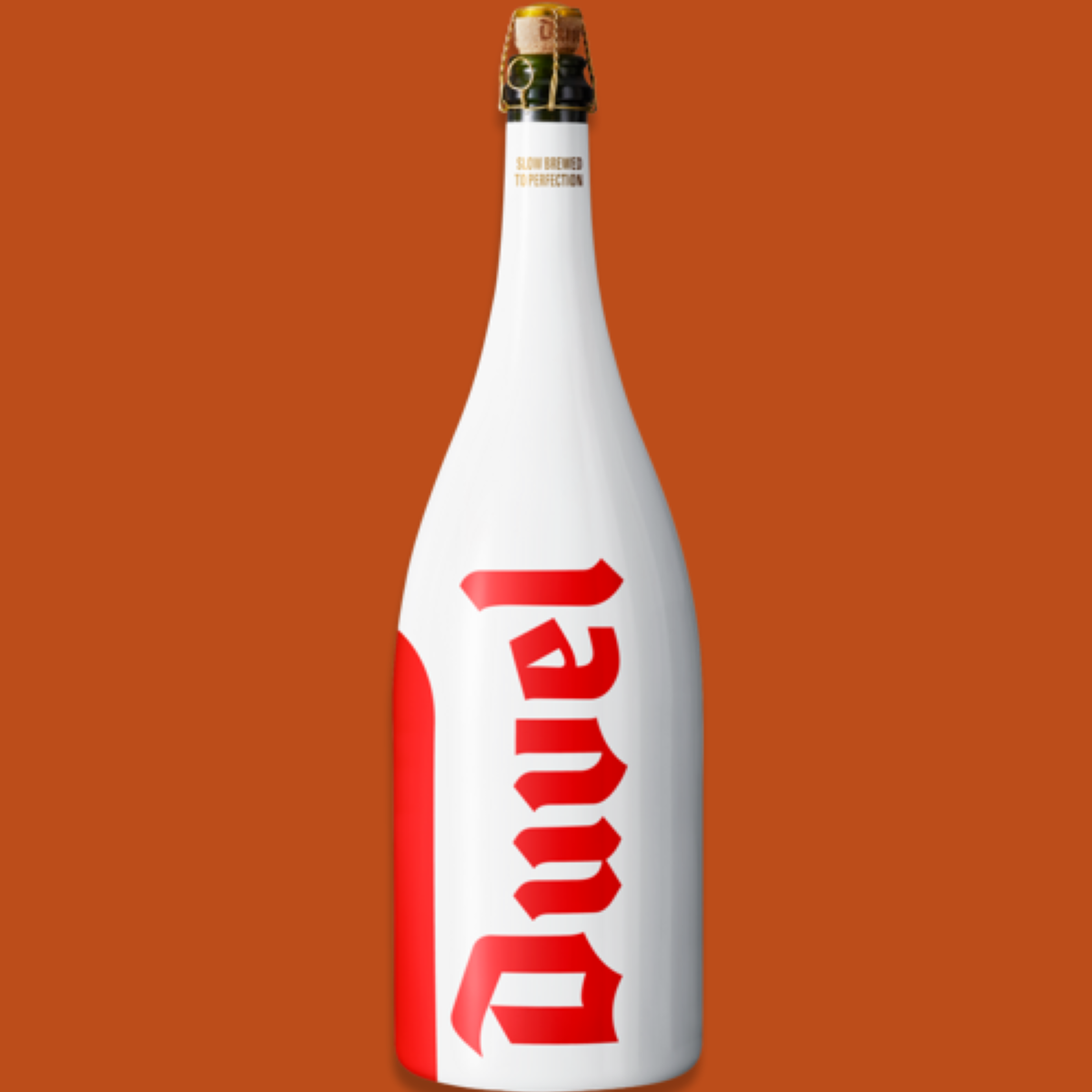
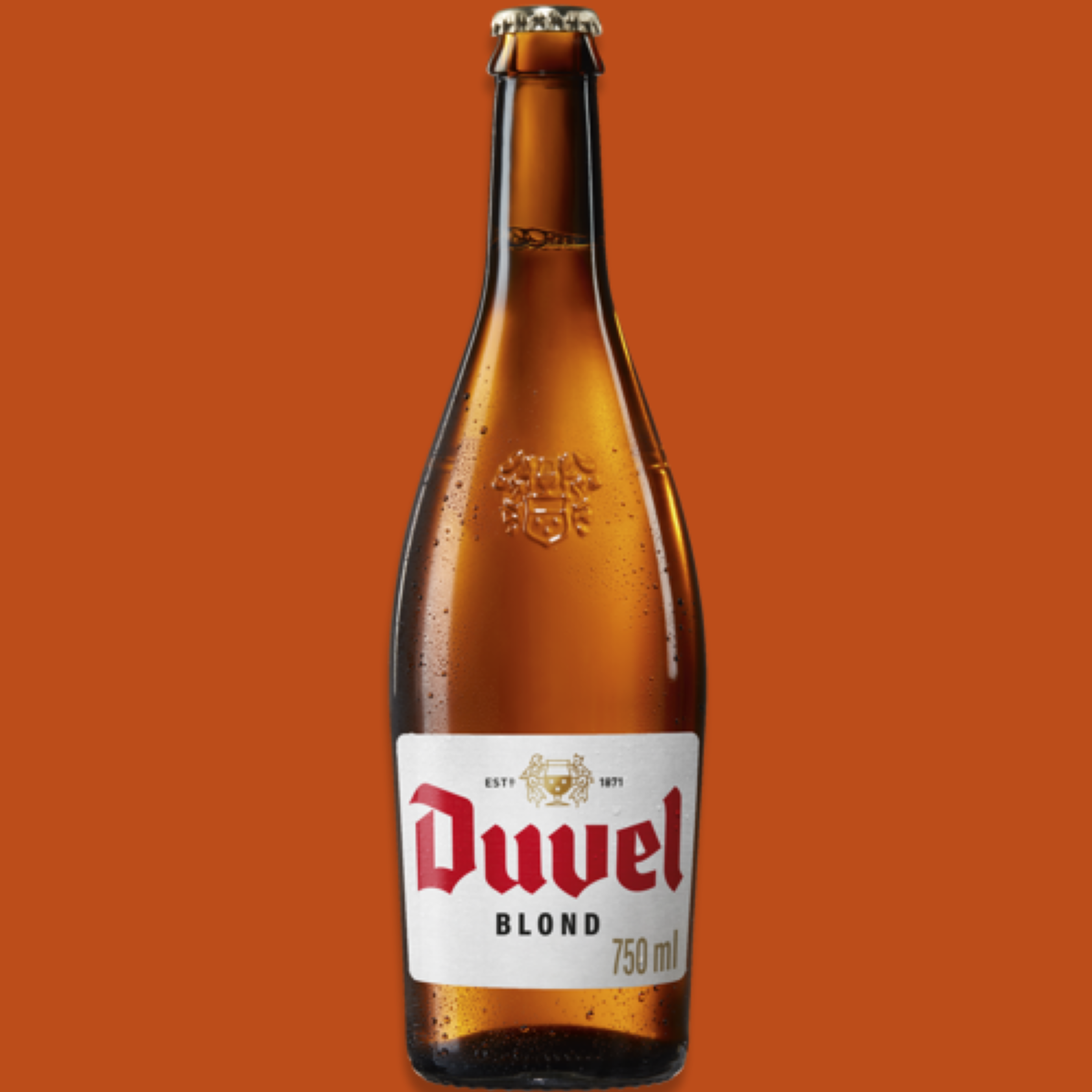
The original. Golden blonde, dry, and slightly bitter, with a refined aroma and a pronounced hop character. In the familiar bulb-shaped 33 cl bottle and a large 75 cl bottle.

Duvel 6.66%
A lighter Duvel with a playful alcohol percentage. Lightly fruity, with a smooth, full finish. Easier to drink than the original.

Duvel Tripel Hop
A Duvel brewed with an extra hop variety. This version is brewed with Citra, adding notes of orange, lime, and grapefruit. Stronger and hoppier than regular Duvel.
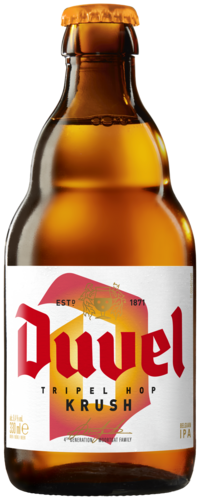
Duvel Krush
A Belgian IPA brewed with Krush hops. Refined and slightly bitter, with notes of tropical fruit.

Duvel Discovery
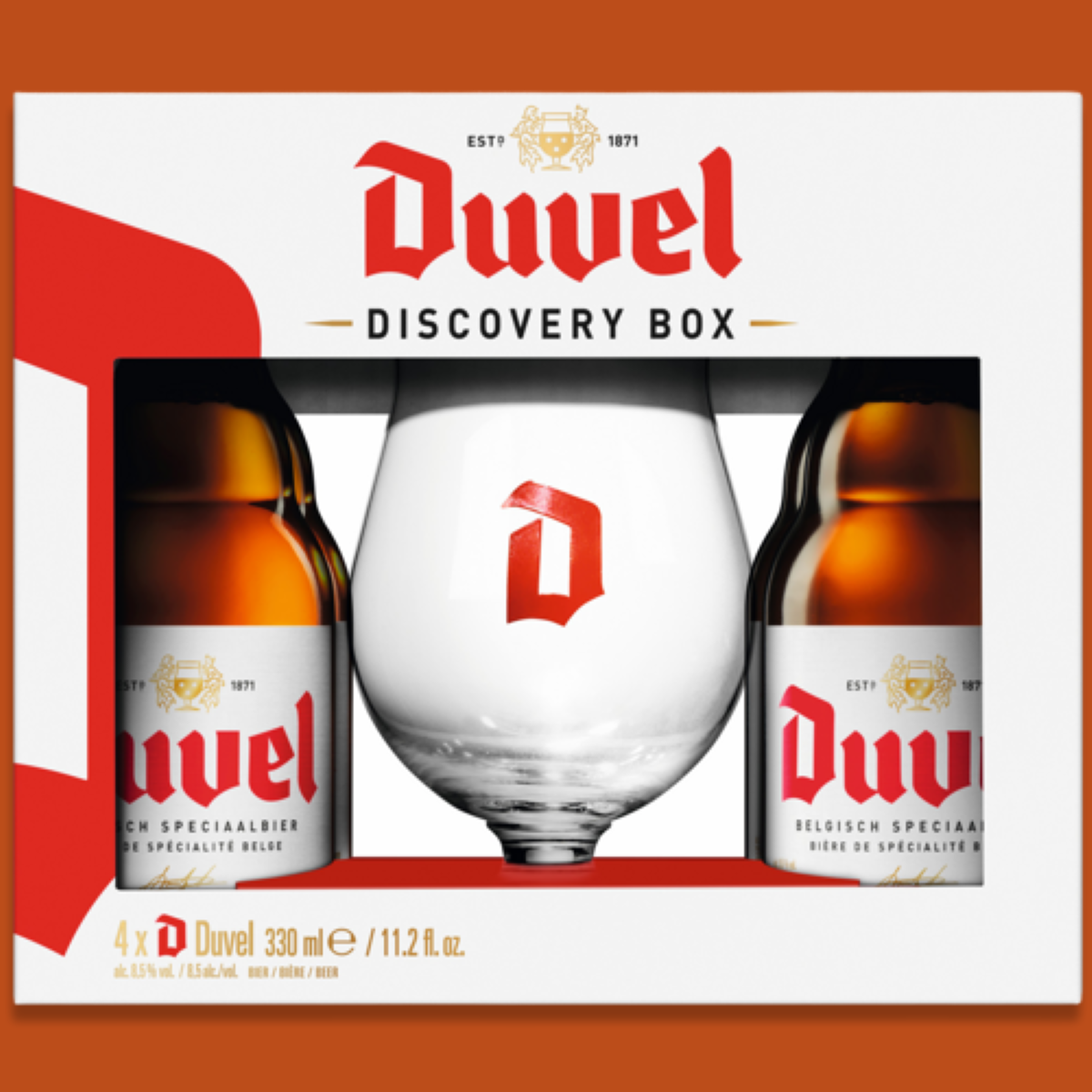
Four different Duvel beers and a Duvel glass in one box, with a handle on top. An easy gift for anyone who wants to taste the Duvels side by side.
What makes a beer a specialty beer, and how do blonde ales, tripels, and IPAs differ? Find out on our specialty beer page.
Dry, hoppy, and surprisingly light
Pear, citrus, and hops
Fresh and fruity, with pear, citrus, and a spicy yeast note. Above that, the floral aroma of aromatic hops.
Light, fizzy, and full-bodied
Lots of fine carbonation and a lighter body than you’d expect at 8.5%. You can taste the alcohol, but it’s well hidden. Not very sweet.
Dry and bitter
Duvel finishes dry, with a distinct hop bitterness and some warmth from the alcohol. Tripel Hop and Krush are even hoppier, while 6.66% is smoother.
Flavor profile of the regular 8.5% Duvel. Duvel 6.66% scores lower on strength, while Tripel Hop scores higher on bitterness and fruitiness.
How to pour a Duvel
Duvel is highly carbonated and forms a tall head. Use a cold bottle, a large glass, and pour gently to get a perfect pour.
Chilled, around 5 to 8 degrees
Duvel is served colder than many other Belgian specialty beers. This keeps it fresh and dry. Take it straight from the fridge. Don’t leave it sitting in the glass for too long, as the alcohol becomes more pronounced as it warms up.
More about specialty beer →Calmly, in a large glass
Tilt the glass and slowly pour the Duvel down the side. It foams quickly because of its high carbonation. Only set the glass upright at the end, so the head rises nicely above the rim. A 33 cl bottle calls for a glass of at least 38 cl.
Learn more about pouring properly →Leave the yeast in the bottle
There is a layer of yeast at the bottom of the bottle from secondary fermentation. For a clear pour, pour in one smooth motion and leave the last little bit in the bottle. You can also pour in the yeast sediment; this makes the beer cloudy and a little spicier.
Taste Duvels side by side →Duvel at the table
With its dry character, bitterness and carbonation, Duvel is a great beer to serve with a meal. It cleanses your palate after fatty, salty food and can hold its own against heat and spices.
Cheese and sausage
Mature and aged cheese, dry sausage and fried snacks. The bitterness and carbonation cut through the fat.
Spicy and Asian
Thai curry, Indian dishes and spicy chicken. Duvel, and especially Tripel Hop, stands up well to the heat and spices.
Mussels and fish
Mussels in white wine or beer, fried fish and scampi. A Belgian classic alongside a strong golden ale.
Salad and chicken
Duvel 6.66% pairs well with lighter dishes: salads, grilled chicken and summer lunches.
The right glass for Duvel
Duvel has its own generously sized tulip-shaped glass. The rounded bowl makes room for the tall head, while the narrower rim retains the aroma. A tulip glass of 38 cl or larger works just as well. Looking for the branded glass? Browse our Belgian beer glasses.


Everything else you wanted to know about Duvel
Can't find your question? Learn more about beer tasting, or get in touch.
Go to the beer tasting →What kind of beer is Duvel?
How much alcohol is in Duvel?
Where does the name Duvel come from?
Where is Duvel brewed?
What glass should you use for Duvel?
How cold should you drink Duvel?
Buy Duvel
Want the bottle delivered straight to your door? Order Duvel online at Gall & Gall. Gall & Gall has 9 options, 3 of which are on sale.
Prices as of November 21, 2026, as provided by Gall & Gall. You can see the current price and stock at Gall & Gall. Glazen.nl receives a small commission if you buy something through these links; you pay nothing extra. No 18, no alcohol.