
Herbal bitters
The little glass that comes to the table after a meal. Dark and herbal, sweet at first and then bitter. Here you’ll learn what herbal bitters are, what styles there are, how much alcohol they contain, what they taste like, and how to drink them. And which glass to use.


The best-known herbal bitters
Four bottles you’ll see in almost every bar. From sweet and ice-cold to completely dry.
Jägermeister
Made in Wolfenbüttel since 1934. It contains 56 herbs, roots, blossoms, and spices, and rests for a year in oak barrels. The sweetest of the four, and best served straight from the freezer.
About Jägermeister →Underberg
Herbs from 43 countries, wrapped in that brown paper since 1846. No sugar, quite bitter, and meant to be served as a single portion after a meal.
About Underberg →Fernet-Branca
Amaro from Milan, since 1845, with more than 27 herbs. It tastes of menthol and is very bitter. Behind the bar, a shot of Fernet is considered the drink you share with colleagues.
About Fernet-Branca →
Schrobbelèr
Herbal liqueur from Brabant with 43 herbs, since 1965. Smooth and sweet, and at 21.5% the lightest of the four. A carnival staple.
About Schrobbelèr →Every herbal bitter listed by brand
5 brands and 2 flavors, each with its own page on taste, cocktails, and the right glass.


Herbs, roots, and peels in distilled spirits
Herbal bitter is a botanical drink made from distilled alcohol and flavored with herbs, roots, and peels. Think gentian root, anise, ginger, licorice, saffron, bay leaf, and citrus peel. Some recipes have a handful of ingredients, others well over fifty, and almost every brand keeps its recipe secret. What you get in the glass is dark and herbal. First you taste sweetness, then the bitterness of the roots comes through. Most bottles are between 20 and 45% alcohol. The sweeter the bottle, the lower the alcohol percentage usually is. The dry, truly bitter bottles are at the higher end.
They’re made in much the same way everywhere. The herbs steep in alcohol for weeks or months; sometimes the mixture is distilled, then often left to mature in oak barrels for a while. The amount of sugar added at the end determines what the bottle is called. By law, anything with more than a hundred grams of sugar per liter is a liqueur. That’s why Jägermeister is officially a Kräuterlikör, while Underberg, with no added sugar, is simply a bitter. They’re still sold next to each other in stores, because you drink them the same way.
And that’s almost always after a meal, served in a small two- to four-centiliter glass. Bitter compounds such as gentian stimulate digestion. That’s why these drinks were first created as medicine and later remained on the table as digestifs. The temperature you serve them at depends on the brand. A sweeter herbal bitter tastes best ice-cold from the freezer, as the cold dampens the sweetness. A dry Italian or German bitter, on the other hand, is served at room temperature. That lets the herbs open up.
In brief
Five styles, from soft and sweet to completely dry
Every country has its own version. The difference is mainly in the sugar and how bitter the makers dare to make it. One bottle in this list isn’t for drinking; it’s for using a drop at a time.
German herbal liqueur
The sweeter side. Lots of herbs, aged for a year in oak, and enough sugar to temper the bitterness. Dark and warm, and the best-known of them all. It should be served ice-cold straight from the freezer.
Digestive bitters
Dry and strong, with no added sugar, and intended for after a heavy meal. Underberg sells it only in 2 cl servings. More isn’t the idea.
Italian amaro
The Italian branch, ranging from mildly bitter to extremely bitter. Fernet-Branca is at the extreme end. It tastes like menthol and medicine and is barely sweet. In Argentina, they drink it with cola.
Dutch herbal bitters
Beerenburg, made with a gin base in the north, and Schrobbelèr from Tilburg. Lower in alcohol, softer and sweeter than the German and Italian bottles. Almost always served ice-cold.

Cocktail bitters
Not a drink, but a flavoring. A concentrated tincture of gentian and spices, just a few drops of which add more depth to a cocktail. It’s far too sharp to drink neat.
Almost every country makes its own herbal bitters, and on the same shelf you’ll find bittersweet Italian aperitifs.
Bittersweet and spicy, with warmth
Herbs & roots
You can smell dried herbs, roots and baking spices like anise, ginger, cloves and licorice. Underneath is the earthy aroma of gentian. Sweeter brands also have notes of caramel.
Bittersweet and full-bodied
Usually sweet and syrupy at first, then the bitterness spreads across your tongue. The less sugar, the sooner the bitterness comes through. With a dry digestif bitter, you taste it right away, with no sweetness at all.
Long and warm, with a cool edge
The herbs linger for minutes, often with a hint of cooling menthol. That’s exactly what makes a small glass feel so good after a heavy meal.
This is an average profile for the whole category. Jägermeister and Schrobbelèr are sweeter. Underberg and Fernet-Branca score around 1 for sweetness and 4 for strength.
Three ways to drink herbal bitters
You always pour a small serving; two to four centiliters is enough. Only the temperature varies, depending on the sugar in the bottle.
Ice-cold as a shot
Put the bottle in the freezer for a few hours and pour 2 to 4 cl into a chilled shot glass. At 35%, it won’t freeze. The drink just gets thicker and a lot less sweet. That’s how you drink Jägermeister, and it’s also how they serve Schrobbelèr in Brabant.
The right glass →As a digestif after a meal
A dry herbal bitter should not be frozen. Pour 2 to 4 cl at room temperature into a small stemmed glass and let it sit for a moment. That’s when the herbs really open up. Underberg is served as a single 2 cl portion; Fernet-Branca in a shot glass.
About Underberg →With cola or tonic
Pour 4 cl of herbal bitters with about 12 cl of ice-cold cola into an ice-filled highball glass and add a slice of orange. In Argentina, the version with Fernet-Branca is called a Fernandito. In Friesland, they do the same with beerenburg. It also works with tonic, which keeps it drier.
About beerenburg →The best-known cocktails with herbal bitters
A bitter herbal liqueur that you also drink straight goes into a cocktail in a measure of 1 to 2 cl. For cocktail bitters like Angostura, you only use a few dashes. You’ll find both below.

Jägerbomb
A shot of Jägermeister dropped into a glass of energy drink. Fast, sweet, and loud.
Hanky Panky
Gin and sweet vermouth with a splash of Fernet-Branca, which gives it a spicy edge.
Old Fashioned
Whiskey, sugar, and a few dashes of Angostura over one large ice cube.
Manhattan
Whiskey and sweet vermouth, stirred with bitters and served ice-cold.The right glass for herbal bitter
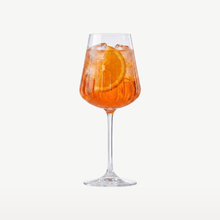
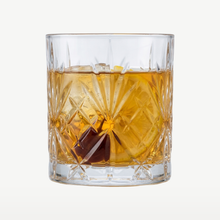
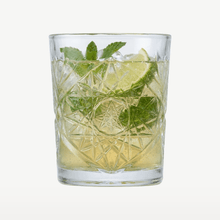
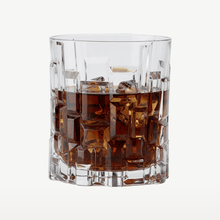
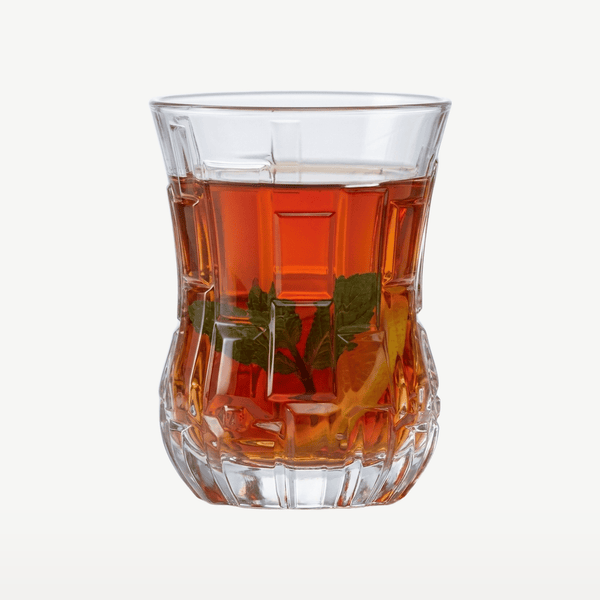
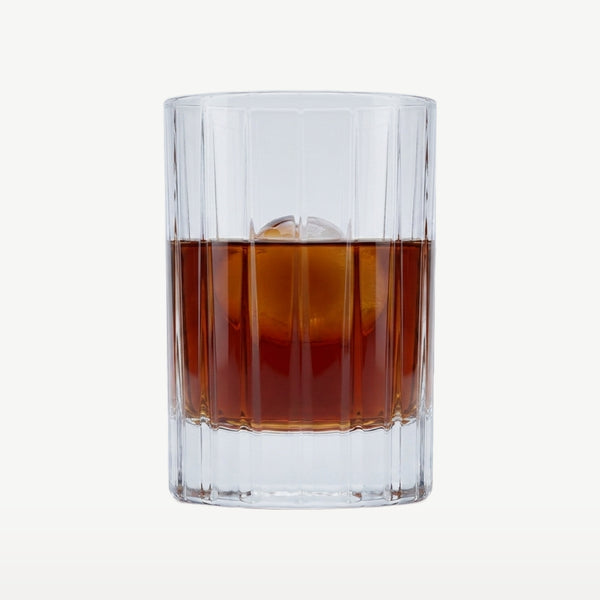
Small glass, that’s the rule. A shot glass if the bottle comes from the freezer, a stemmed liqueur glass for a digestif. If you’re adding cola or making a cocktail, use a larger glass. These are the glasses we recommend.


What people often ask us about herbal bitter
Can’t find your question here? Check out our cocktail recipes or send us a message.
To the cocktail recipes →What’s the alcohol content of herbal bitter?
What’s the difference between herbal bitter and cocktail bitters?
What’s the difference between herbal bitter and herbal liqueur?
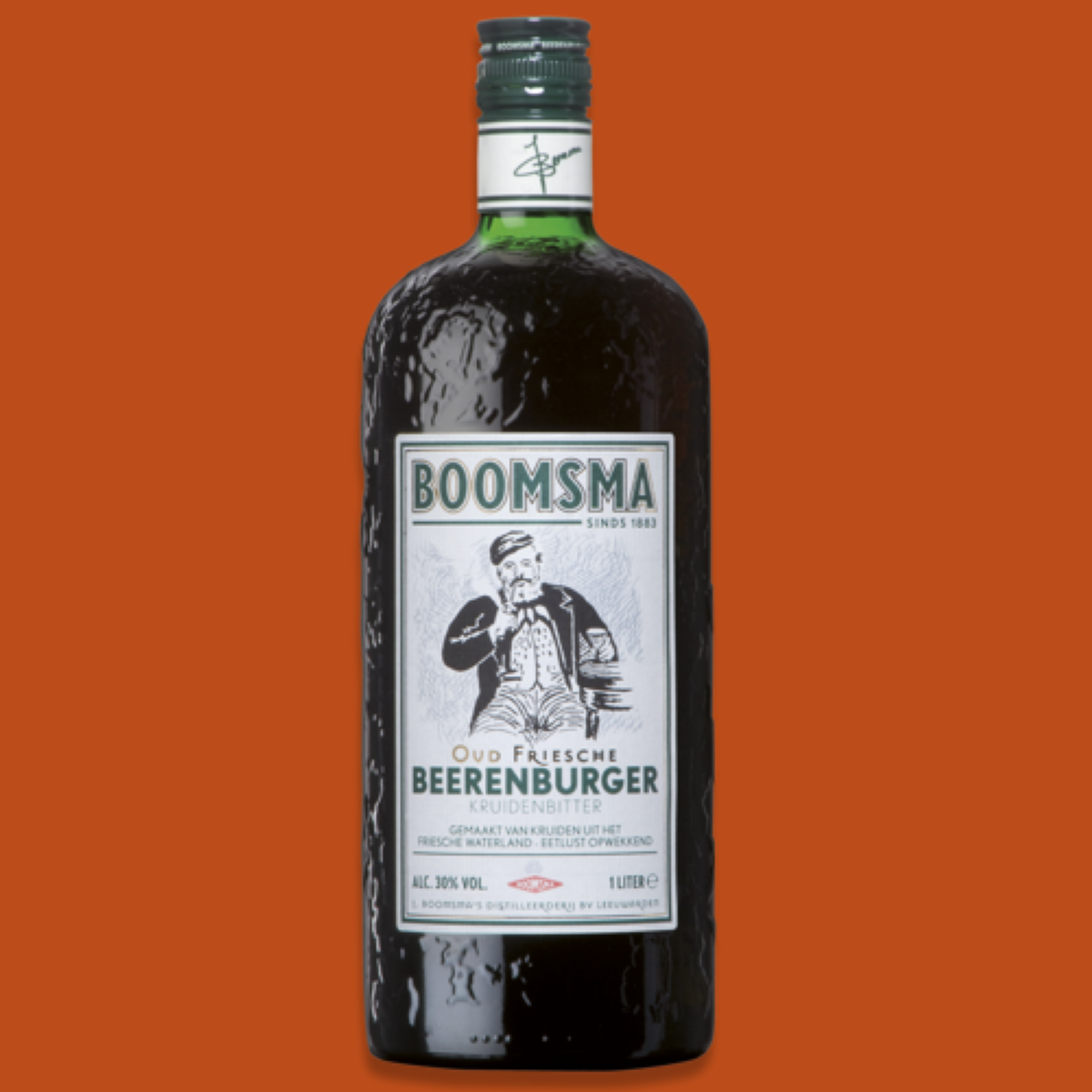
Is Beerenburg also an herbal bitter?
Why do you drink herbal liqueur after a meal?
Should herbal bitters go in the freezer?
Buy herbal bitters
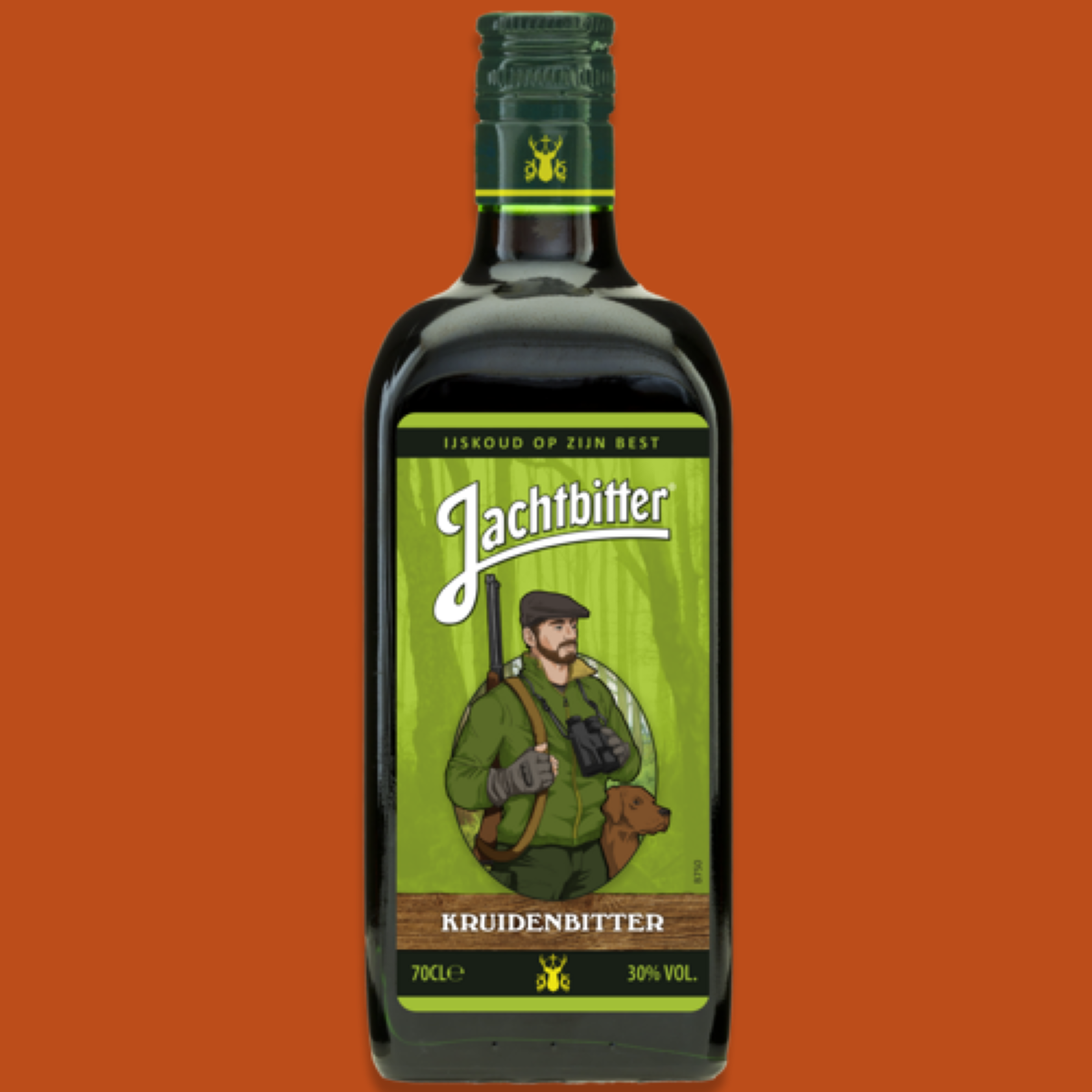
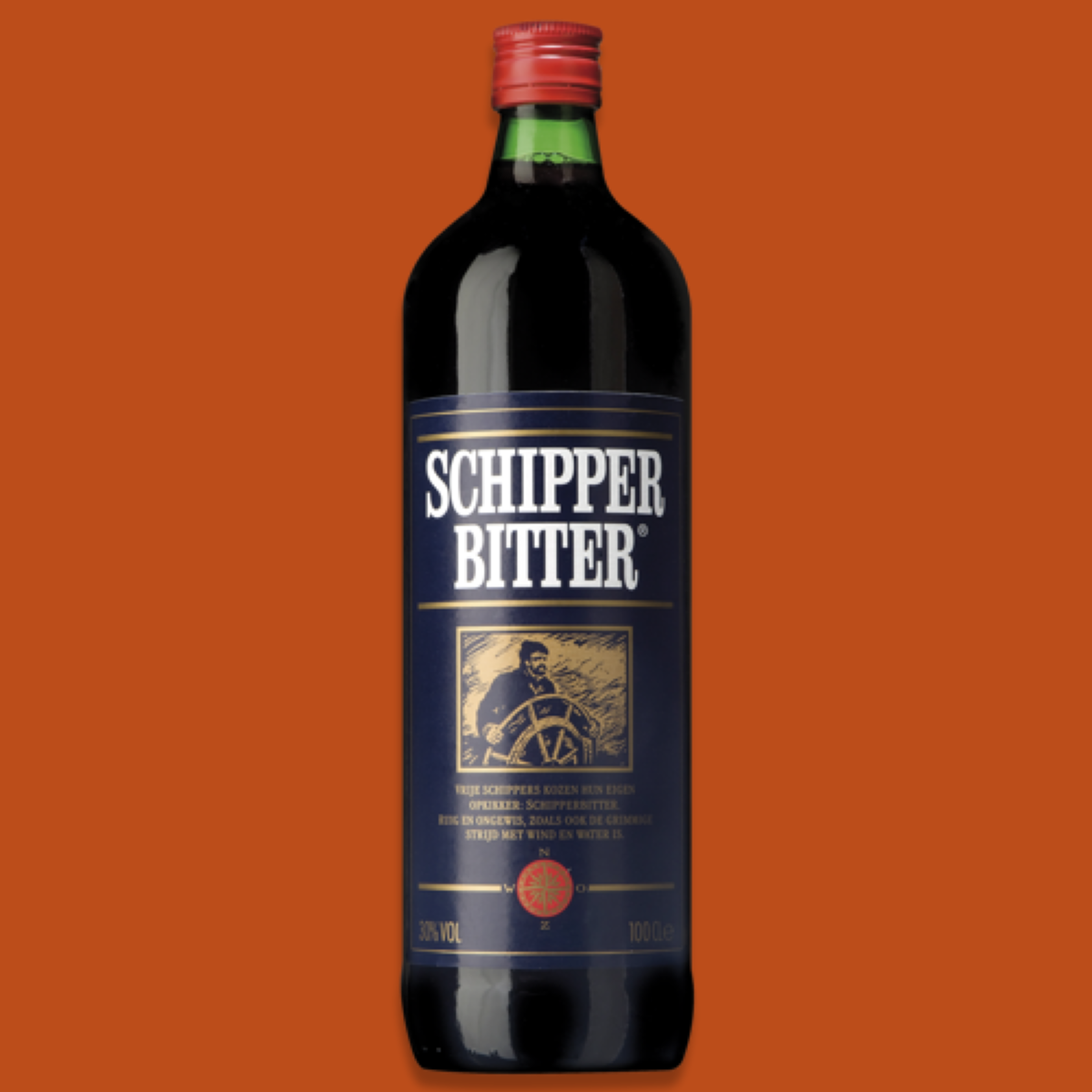
Want the bottle delivered straight to your door? Order herbal bitters online from Gall & Gall. Gall & Gall has 52, 9 of which are on sale.
Prices as of November 21, 2026, as reported by Gall & Gall. You can see the current price and stock at Gall & Gall. Glazen.nl receives a small commission if you buy something through these links; you pay nothing extra. No 18, no alcohol.