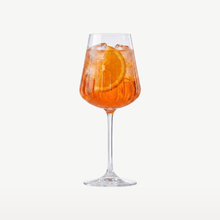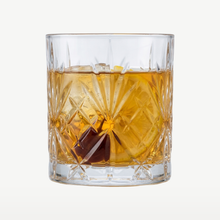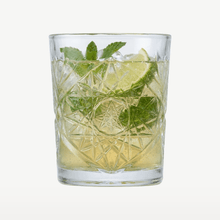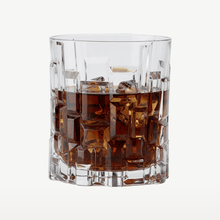

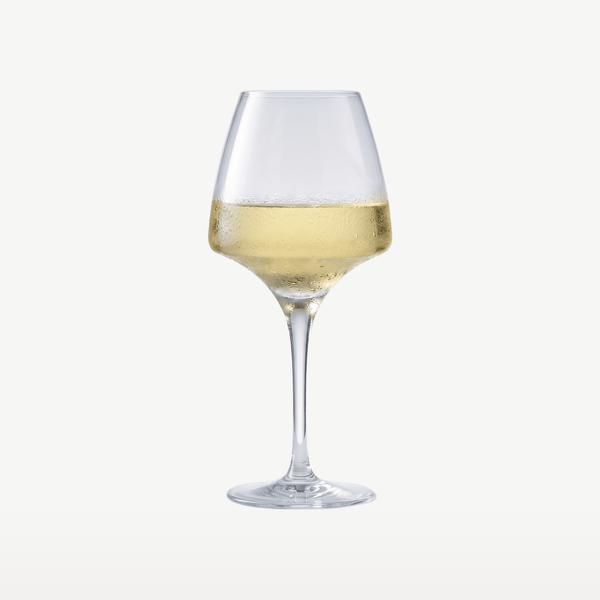
Chef & Sommelier Open Up Pro Tasting Wine Glass 32 Cl - 6 Pieces
Sauvignon Blanc
A Sauvignon Blanc from New Zealand has the same juicy fruit as a French one, but a much more intense flavor. Those from the Loire are light and elegant, and the difference comes down to the soil and climate.


Wine by type
Four pages closely related to Sauvignon Blanc: the section it belongs to, the two white grapes it is most often compared with, and the guide to all wines.
White wine
The full range of white wines, from bone-dry to dessert-sweet, with what to expect in the glass from each grape.
About White wine →Chardonnay
Also dry, but when oak-aged it is full-bodied and creamy, with vanilla and butter, whereas Sauvignon Blanc relies on its acidity.
About Chardonnay →
Verdejo
The Spanish grape from Rueda, with green melon, citrus fruit, fennel, and white peach.
About Verdejo →
Wine
The guide to red, white, rosé, and sparkling wines, with serving temperatures and the right glass for each.
About Wine →A French grape that takes on a different note in New Zealand
Sauvignon Blanc is a grape variety, not a region. The name means something like “wild white,” and the grape originally comes from France: the Loire Valley and Bordeaux. It is now one of the most popular grape varieties in the world, and is also grown in New Zealand, Chile, South Africa and the United States. In the glass, the wine is usually pale in color, light yellow with a hint of green. When the grape is blended with Sémillon in Bordeaux, the wine becomes a little more intense in color. Wherever the bottle comes from, it is almost always a dry, refreshingly crisp wine with high acidity.
The reason origin makes such a difference is that the two places are very different. Sauvignon Blancs from the Loire are light and elegant in flavor, while a Sauvignon Blanc from New Zealand has the same juicy fruit but a much more intense flavor. In Sancerre, a small area of thirty square kilometers in the upper Loire, the soil is what mainly determines what ends up in the glass: white clay with a high limestone content produces wines with more body and character, gravelly soil gives a lighter and more delicate structure, and flint-rich soil contributes that characteristic mineral flavor. In Marlborough, at the northernmost tip of the South Island, the climate does the work: cool and sunny with many daylight hours, dry summers and cool nights, ideal for preserving freshness and aromas in the grapes.
In brief
Six bottles, from the Loire to Chile
The first two are deliberately placed side by side: a Sancerre from the Loire and the Marlborough that is considered a typical example of the New Zealand style. Then come another French wine, another New Zealander, a South African and a Chilean.

J. de Villebois Sancerre Blanc
Sancerre is considered one of the crown jewels among Sauvignon Blancs, and there it is made exclusively from this grape. Typically fresh and crisp, with lemon, green apple, freshly cut grass and minerality.

Yealands Reserve
The classic example of the Marlborough style, and thus the direct opposite of the Sancerre above. Explosive in flavor, with passion fruit, citrus, Granny Smith apple, and green herbs.
J. de Villebois Sauvignon Blanc
A lighter Loire from the town of Seigy, uplifting and with a round finish. Notes of citrus, freshly cut grass, and gooseberries, and at 12 percent, the lightest bottle in this selection.

Mount Vernon
Another Marlborough, but with grapefruit taking center stage instead of passion fruit. Elegant, with a long finish.

Tokara Sauvignon Blanc
From Stellenbosch in South Africa and, at 13.5 percent, the fullest-bodied bottle here. Fresh and powerful, with apple and pear.

Errazuriz Estate Reserva
From Chile's Aconcagua Valley, aromatic with lime, passion fruit, and fresh green herbs. In terms of fruit, it's closer to the New Zealand style than to the Loire.
If you're looking for the same freshness with a little more body on the palate, try a Chardonnay aged in a stainless steel tank.
Crisp and fresh, with citrus, gooseberry, and grass
Citrus & gooseberry
Typically fresh and expressive, with aromas of citrus, green apple, gooseberries, grass, and lime, and sometimes tropical fruit or a hint of minerality. With a bottle from New Zealand, the aroma bursts out of the glass and the passion fruit is unmistakable.
Dry and high in acidity
White wines made from this grape are dry and refreshingly crisp: little residual sugar remains and the acidity is high. You can clearly taste citrus, green apple, herbs, and gooseberry, which is also what makes this wine a good one to start with: the flavors are straightforward and don't change as you drink.
Light Loire, intense Marlborough
Loire Sauvignon Blancs are light and elegant in flavor; a bottle from New Zealand has the same juicy fruit but is much more intense. In Sancerre, limestone-rich white clay adds more body and bite, gravel gives a more delicate structure, and flint brings a mineral flavor.
Flavor profile of a typical dry Sauvignon Blanc. A Marlborough scores higher on fruitiness, while a Sancerre scores a little lower; sweetness varies little in either.
How to serve Sauvignon Blanc
This wine relies on its freshness, which you can preserve only if the bottle is cold enough.
Chill to 7 to 10 degrees
Serve it chilled, at around seven to ten degrees, or after about three hours in the fridge. The general guideline for fresh, very fruity white wines is eight to ten degrees, so anywhere in that range works well. Serve it warmer and you’ll lose the crispness that makes this wine worth choosing.
Browse bottles →In a large white wine glass
The bowl helps retain and release the aromas, allowing the wine’s smell and flavor to shine. Hold the glass by the stem to keep your hand off the bowl and prevent the wine from warming up. Pour white wine just above the widest part of the bowl; as a rule of thumb, we serve six glasses per bottle.
Browse glasses →At the table
Its high acidity makes this wine a good match for briny dishes like mussels and high-acid foods like goat cheese and tomatoes. It also pairs well with shellfish, green salads, sushi and heavily spiced dishes. It’s also delicious with plenty of vegetables, for example as part of a vegetarian dinner.
More about serving →White wine cocktails
Sauvignon Blanc is hardly ever used in cocktails; it’s served chilled in a glass. These four come closest, and they all rely on a sparkling white wine.

Hugo Spritz
Elderflower syrup, sparkling wine, sparkling water and mint over plenty of ice.
Aperol Spritz
Aperol, sparkling wine and a splash of sparkling water, with a slice of orange.
Bellini
Peach purée at the bottom of the glass, gently topped with a dry sparkling wine.
Kir Royale
A splash of crème de cassis, topped with a dry sparkling wine.The right glass for Sauvignon Blanc
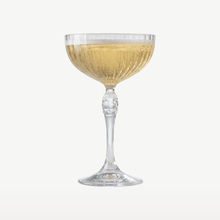
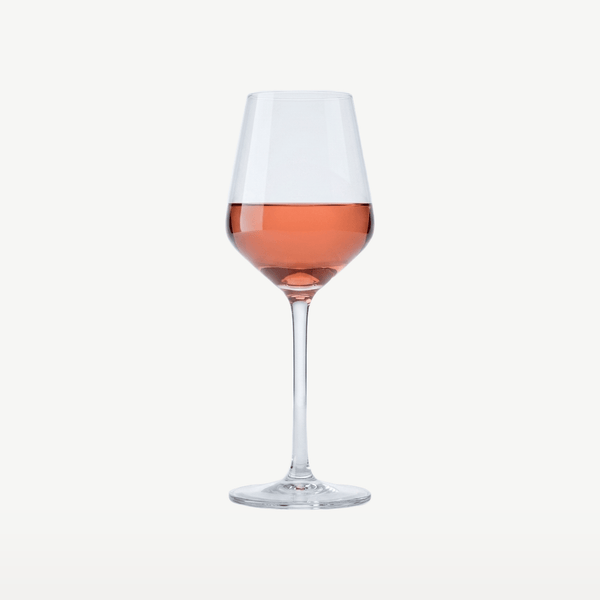
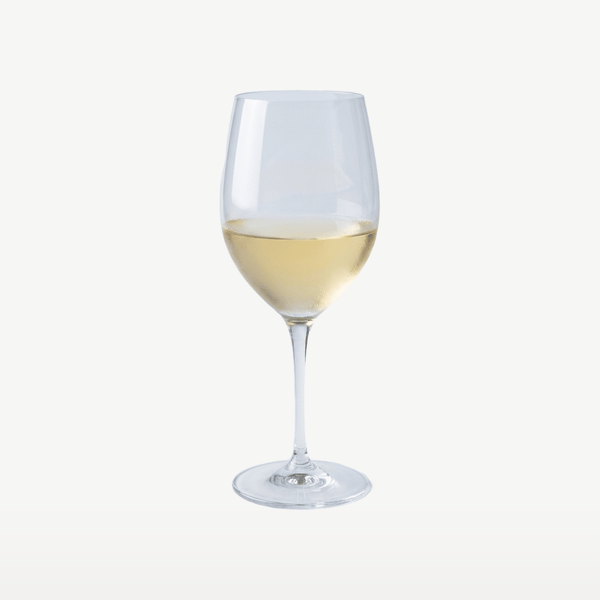
There’s no glass designed specifically for this grape. What does help is a bowl that gathers the aromas and a stem that keeps you from warming the wine. These are the glasses we recommend ourselves.


Everything else you wanted to know about sauvignon blanc
Can’t find your question here? Check out our cocktail recipes or get in touch.
To the cocktail recipes →What’s the difference between a New Zealand and a French sauvignon blanc?
What is Sancerre?
Is sauvignon blanc dry or sweet?
What percentage alcohol is sauvignon blanc?
At what temperature should you serve Sauvignon Blanc?
What goes well with Sauvignon Blanc?
Which glass is best to use?
Buy Sauvignon Blanc
Want the bottle delivered straight to your door? Order Sauvignon Blanc online at Gall & Gall. Gall & Gall has 65, 18 of which are on sale.
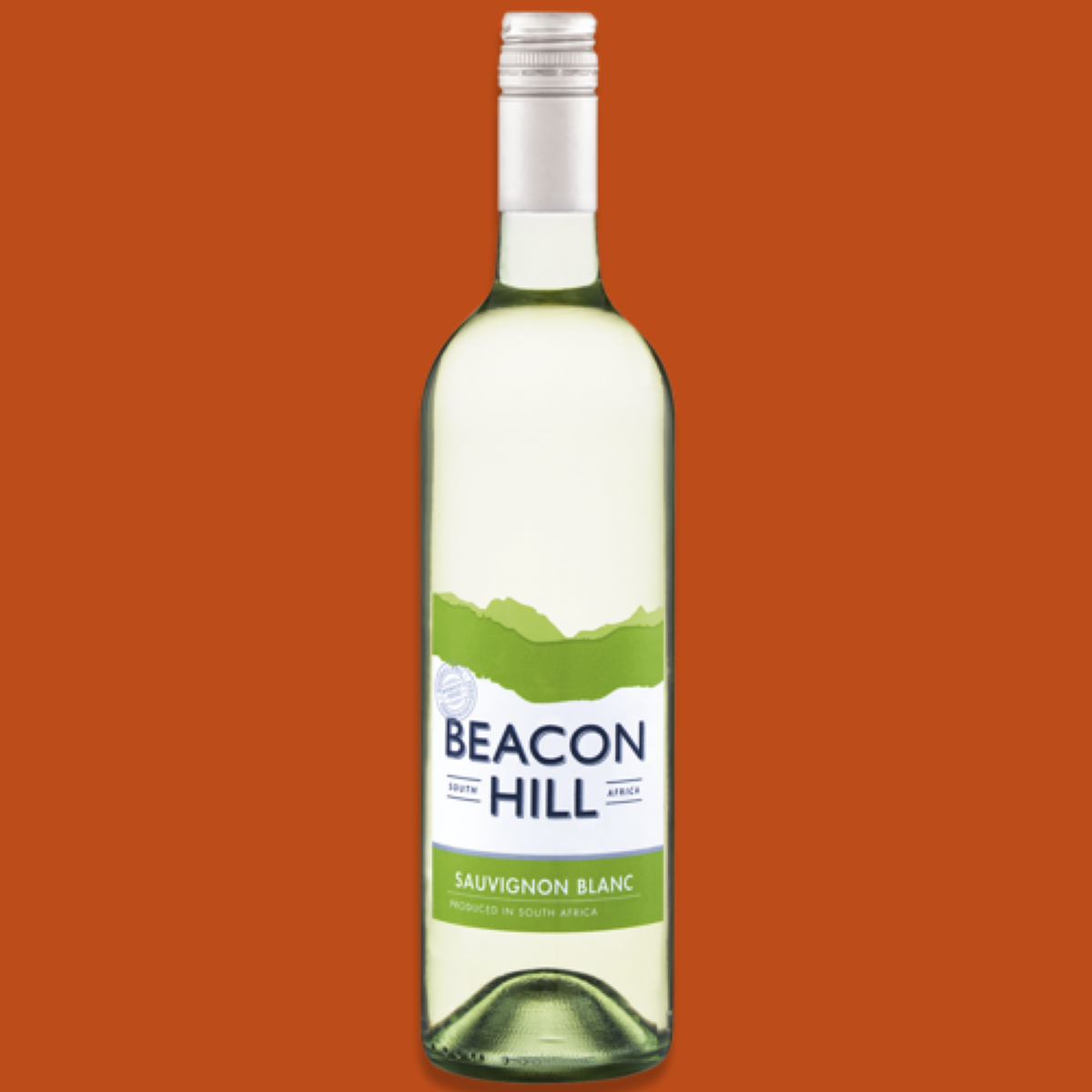
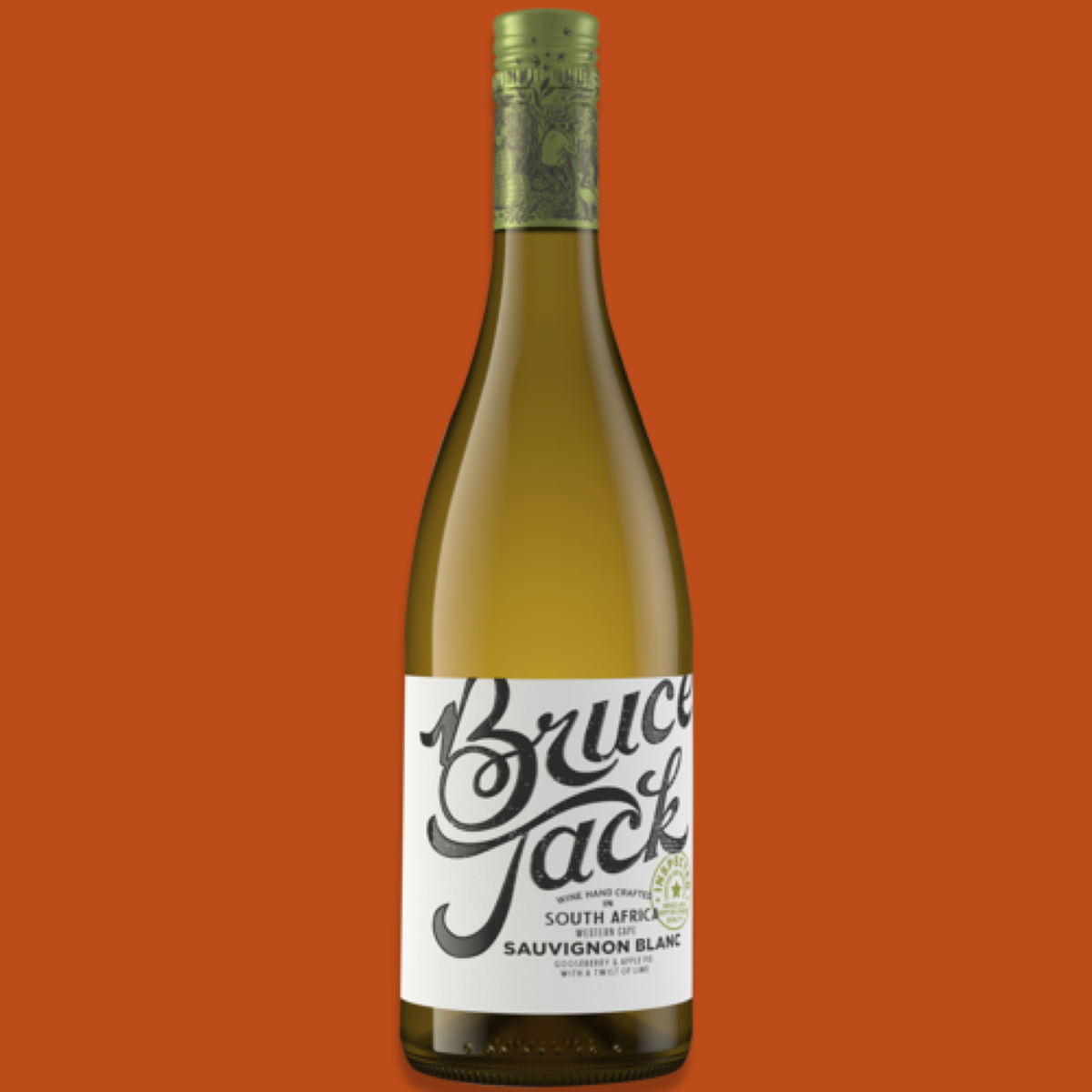
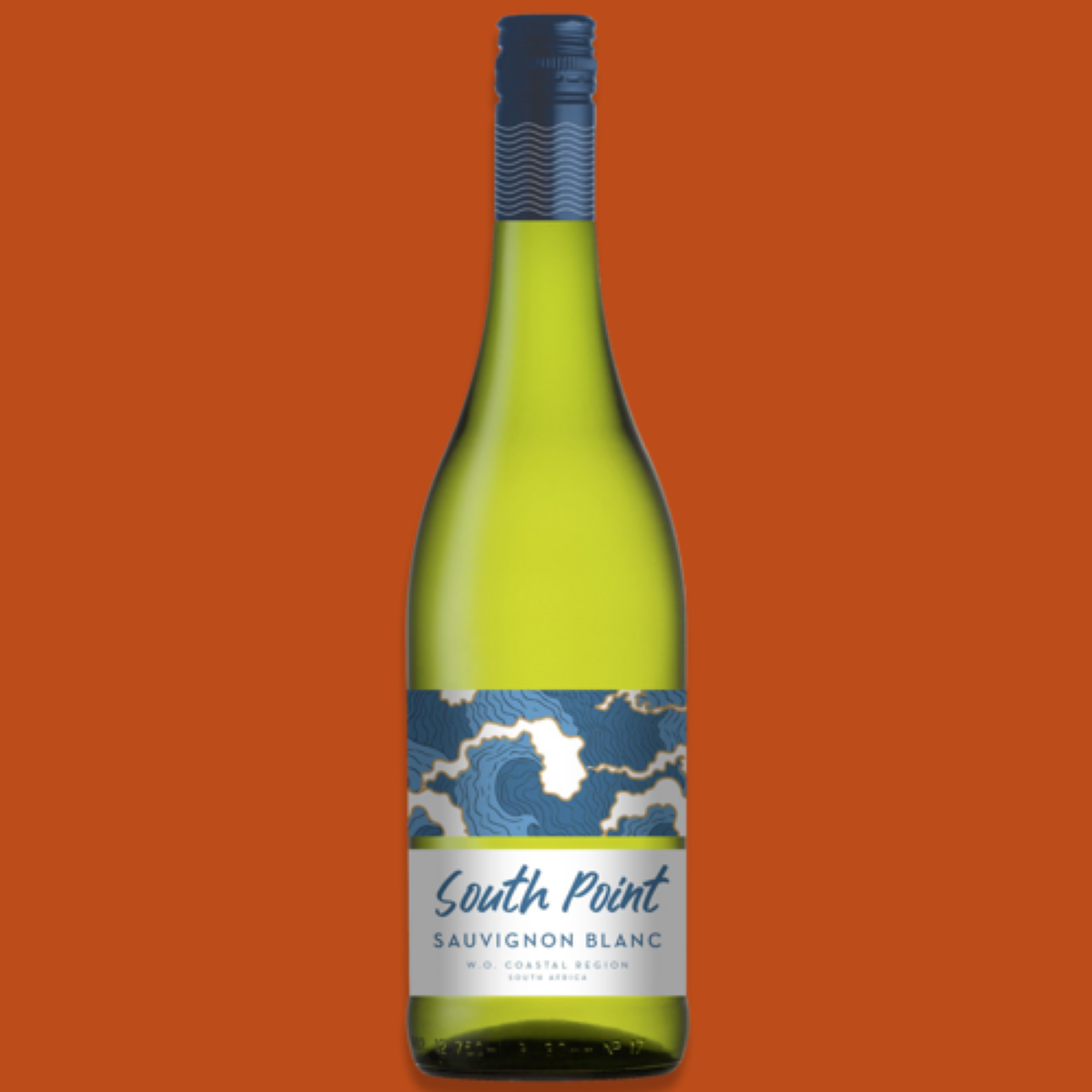
Prices as of November 21, 2026, as provided by Gall & Gall. You can see the current price and availability at Gall & Gall. Glazen.nl receives a small commission if you buy something through these links; it won't cost you anything extra. No 18, no alcohol.