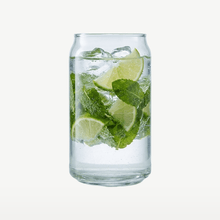
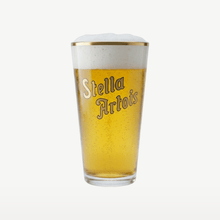
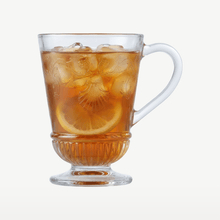
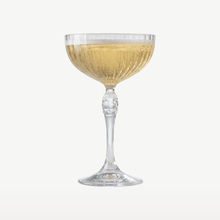
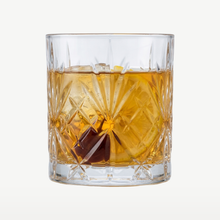
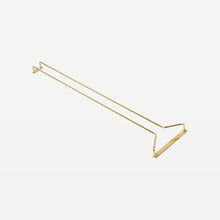
Bormioli Rocco Bodega Beer Glass 35 Cl - 12 Pieces
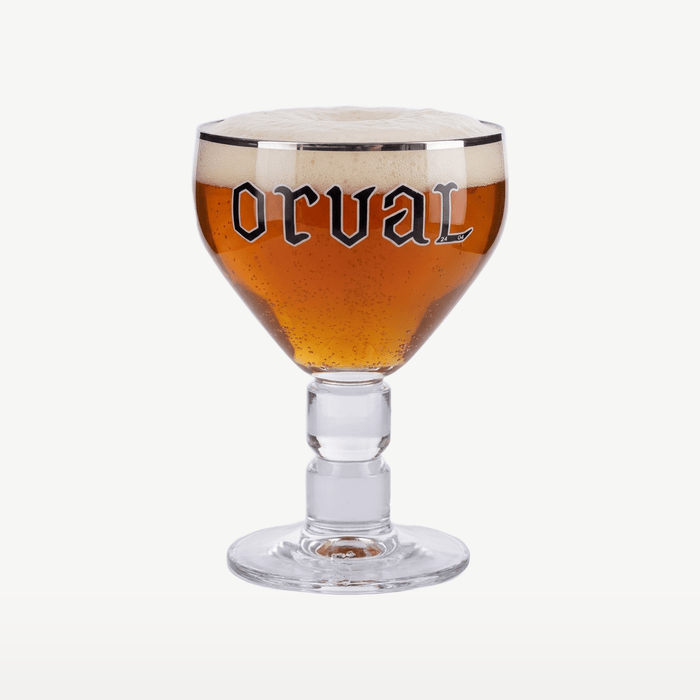
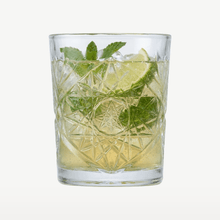
Orval Beer Glass 33 Cl - Gift Box
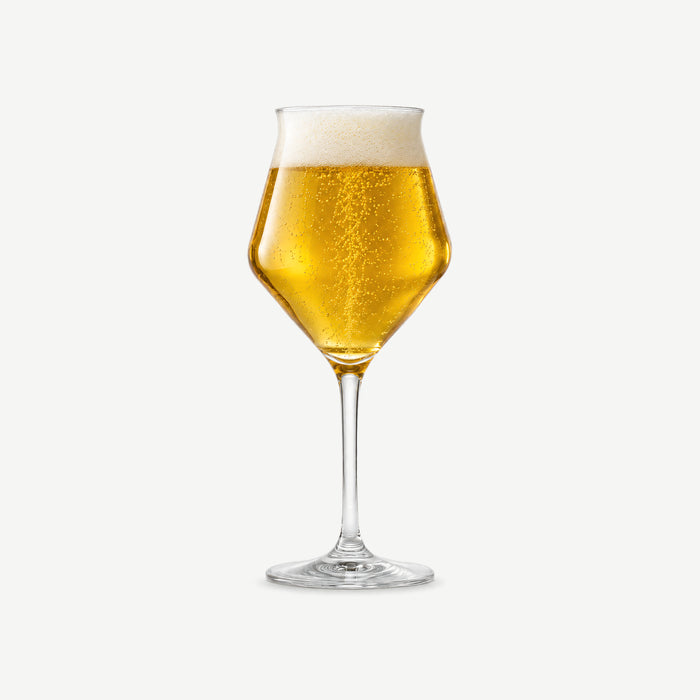
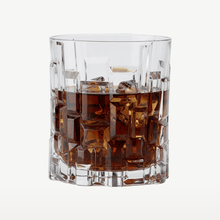
Lehmann Craft Beer Glass 44 Cl - 6 Pieces

Bormioli Rocco Bodega Beer Glass 50 Cl - 12 Pieces

Here's how to pour
a lager in
Rinse the glass with cold water and leave it wet. The head holds noticeably better in a wet, cool glass. Grease or soap residue makes the foam collapse immediately. So don't dry the glass with a tea towel.
Hold the glass at about a forty-five-degree angle under the tap or bottle, and pour against the inside. Keep pouring continuously, because every pause creates coarser foam. The bottle or tap does not touch the rim of the glass.
If the glass is about two-thirds full, hold it upright and pour the rest into the middle of the beer. This builds the head. Two fingers, about two centimeters, is what Dutch cafés typically serve.
For a flat rim, skim the head with a skimmer. If you leave it as is, it will spill slightly over the rim. Then wipe the outside of the glass. Serve pilsner at 4 to 6 degrees.
What did you think of this guide?
Just click a star once. If you’d like to add a comment, we’ll review it before it appears here.
Save this page
Email this page to yourself so you have the instructions handy when it’s time to pour. You’ll also get a € 5 discount code when you spend € 50, for the matching glasses.
The story
Pilsner takes its name from Plzen, called Pilsen in German, a city in Bohemia in what is now the Czech Republic. In 1842, the first clear, golden-blond bottom-fermented beer was brewed there. It later came to be called Pilsner Urquell, literally the original source of pilsner. Beer was usually dark and cloudy at the time, so such a clear, light beer immediately stood out. It helped that glass was becoming cheaper and more common. Germany adopted the style, followed by the Netherlands and the rest of the world. Today, pilsner is the most consumed type of beer in the world. And if you ask for a beer here, you’ll simply get a pilsner.
The right glass
Pilsner belongs in a narrow, straight glass that keeps it cold and the head in place. In the Netherlands, beer glass sizes have their own names. The flute is slim, around 19 centiliters, for a small pilsner. The vase is slightly tapered and holds around 29 to 34 centiliters, the standard glass in a traditional brown café. Both are narrow, so little of the beer comes into contact with air. Larger, more tapered models, such as the Willi Becher, are in the beer glasses collection. Mugs with handles can be found in the beer mugs collection.

Mammoet Budgetline Flute Beer Glass 19 cl (12 pieces)

Mammoet Budgetline Amsterdam Beer Glass / Vase 34 cl (12 pieces)
Both sets together € 53,90.
The right tools
For pilsner, you don’t need much beyond the glass: a jigger to measure the genever for a kopstoot precisely and a bar spoon to stir a radler. These are the bar tools we use ourselves; find them all in our bar tools & cocktail sets.


Glass set (our pick 01) + 2 bar tools together € 48,85.
What to pour alongside it?
The pilsner itself takes center stage. Here’s what gets served alongside it in the Netherlands. A glass of genever makes it a kopstoot, and vieux and beerenburg are in the same vein. Each drinks page tells you the alcohol percentage, what it tastes like, which cocktails it goes with, and which glass you’ll need.


Variations & twists
German pilsner is usually the driest and most bitter. You can clearly taste the hops in the finish, and the head holds firm. Czech pilsner, the style from Plzeň, is fuller and rounder from the malt and less bitter. Dutch pilsner usually falls somewhere in between and is milder than both. Less bitter, lighter-bodied, made to be drunk cold from larger glasses. So the same word on the label doesn’t mean it’s the same beer. Want to read more? Check out all drinks and brands.
Serving tip
Serve pilsner at 4 to 6 degrees. Below four degrees, you can’t smell anything anymore. Above six, the head collapses faster. Rinse the glass with cold water before pouring and leave it wet. That matters more for the head than how quickly you pour.
Good to know
Why is pils clear and golden blond?
There are two reasons. The malt is lightly dried and barely roasted, so the grain gives off little color. And the bottom-fermenting yeast sinks to the bottom after fermentation. The beer is then cold-conditioned and filtered, causing proteins and yeast residue to settle out. What remains is clear, golden-blond beer.
Where does the bitterness come from?
It comes from the hops. During the boiling of the wort, the alpha acids in the hop cones change into a form that dissolves in water, creating the bitterness. Hops added late in the boil or afterward contribute mostly aroma and little bitterness. The bitterness of pils is measured in IBU. German pils usually has a higher IBU than Dutch pils.
The difference between a vaasje and a fluitje
The fluitje is the slender glass of around 19 centiliters that you see in many Dutch cafés. A small pils, finished before it gets warm. The vaasje is the standard glass with a slight waist. It usually holds 25 centiliters of beer in a 29-to-34-centiliter glass, leaving room for the head. So a fluitje isn’t a small vaasje; it’s a size of its own. Its smaller capacity is intentional.
Why the head has to be just right
With pils, you can measure the head. Two fingers, about two centimeters, is customary in the Netherlands. If there’s too much or too little foam, a glass in a café gets sent back. There’s a practical reason for this, too. The foam holds in carbonation and aroma and creates a layer between the beer and the air. It also reveals a dirty glass. If there’s greasy residue on it, the head collapses immediately, no matter how well you pour.
How much alcohol does pils contain?
Pils is roughly between 4.5 and 5.5 percent alcohol. The exact percentage is listed on the label or tap menu. Alcohol-free and low-alcohol pils contains less than 0.5 percent, which is also stated on the bottle.
Frequently asked questions
What exactly is pils?
Bottom-fermented beer. The yeast works at around 8 to 14 degrees and then sinks to the bottom. The beer is then cold-conditioned and usually filtered, which makes it clear and golden blond. Pils tastes dry and crisp, with a hint of bitterness from the hops in the finish. Its alcohol content is roughly between 4.5 and 5.5 percent.
Where does the name pils come from?
From Plzen, known as Pilsen in German, a city in Bohemia in what is now the Czech Republic. In 1842, the first pale, golden-blond bottom-fermented beer was brewed there. It later became known as Pilsner Urquell. The rest of the world copied the style, and the name went with it.
What’s the difference between German, Czech, and Dutch pilsner?
German pilsner is usually the driest and most bitter. Czech pilsner has more malt and a softer bitterness. Dutch pilsner is often milder than both, less bitter and lighter-bodied. It’s still the same style. The balance between malt and hops simply differs by country and brewery.
How big is a fluitje, and how big is a vaasje?
A fluitje is a slender glass that holds around 19 centiliters. A vaasje is the standard, slightly waisted glass, which usually holds 25 centiliters of beer. The glass itself holds 29 to 34 centiliters, leaving room for the head. So a fluitje isn't a smaller vaasje, but a style in its own right.
Also delicious
Buy pilsner
Want the bottle delivered straight to your home? Order pilsner online at Gall & Gall. Gall & Gall has 16.
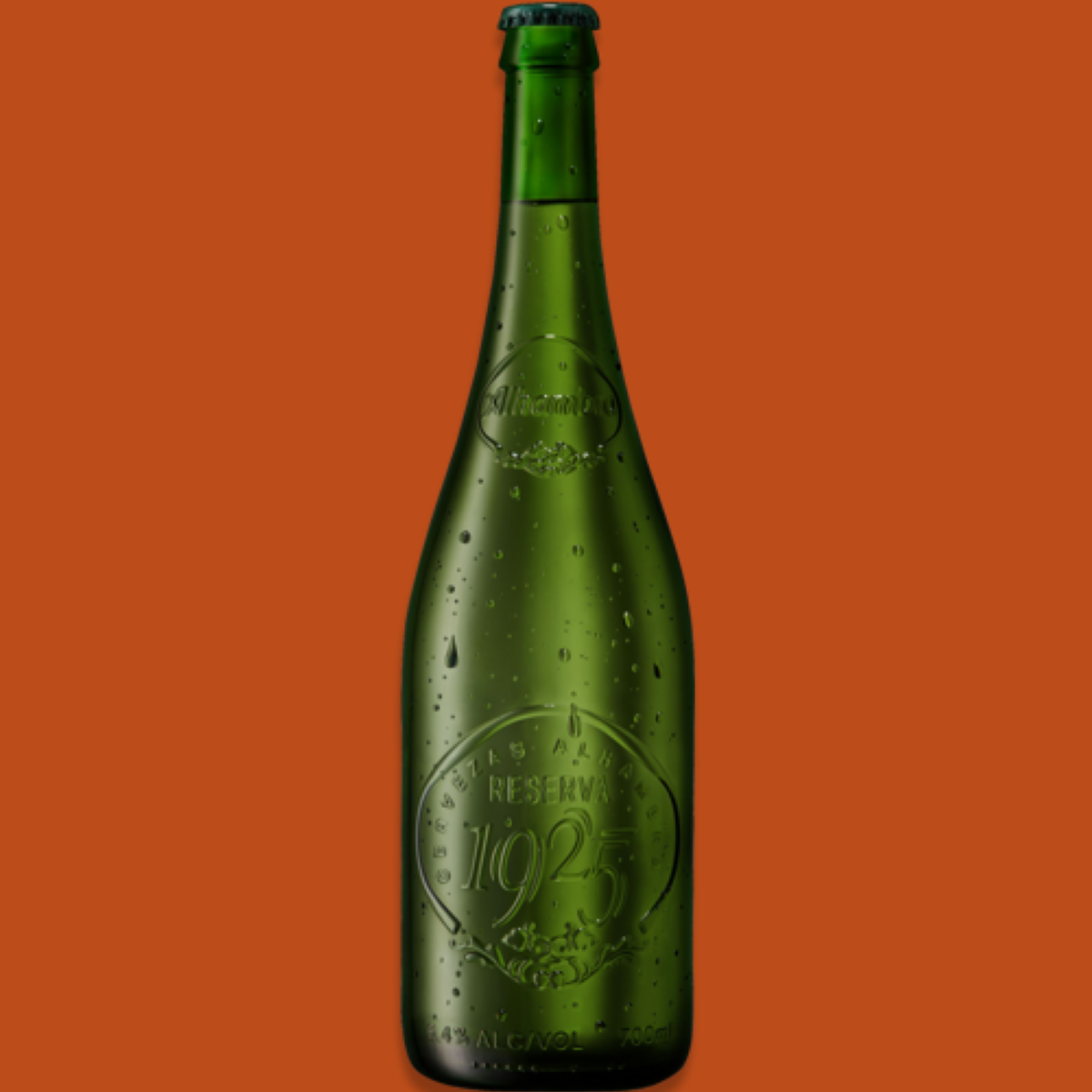
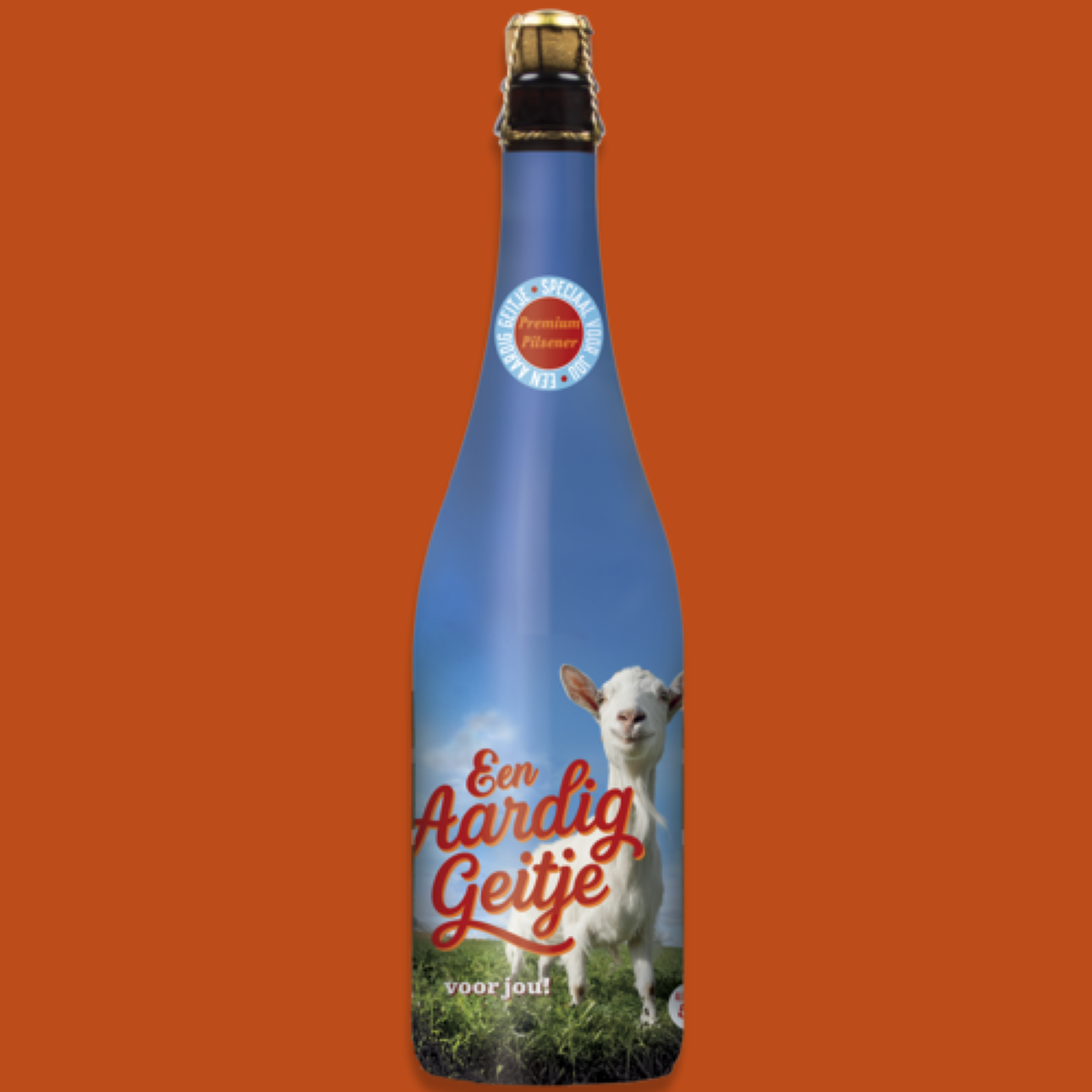
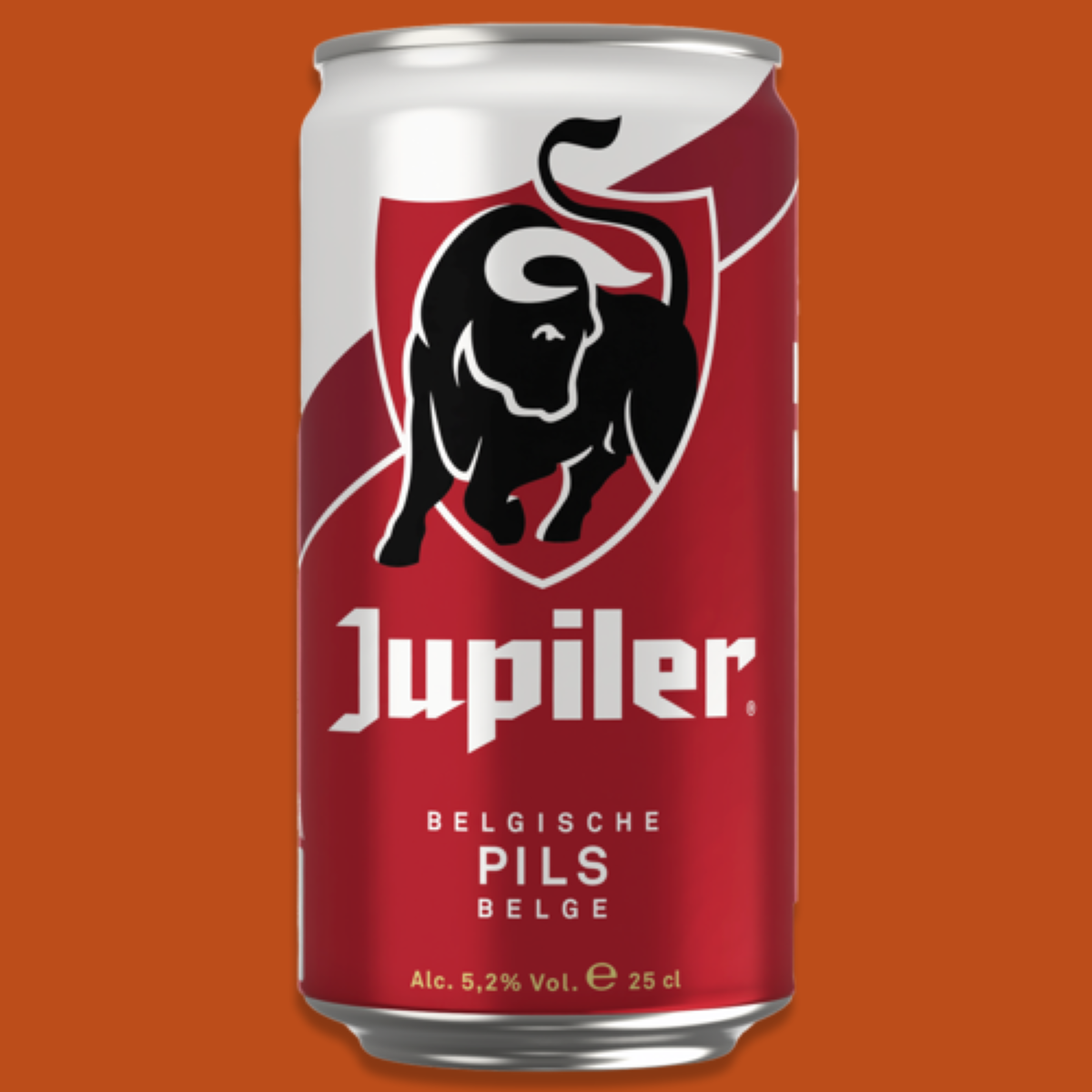
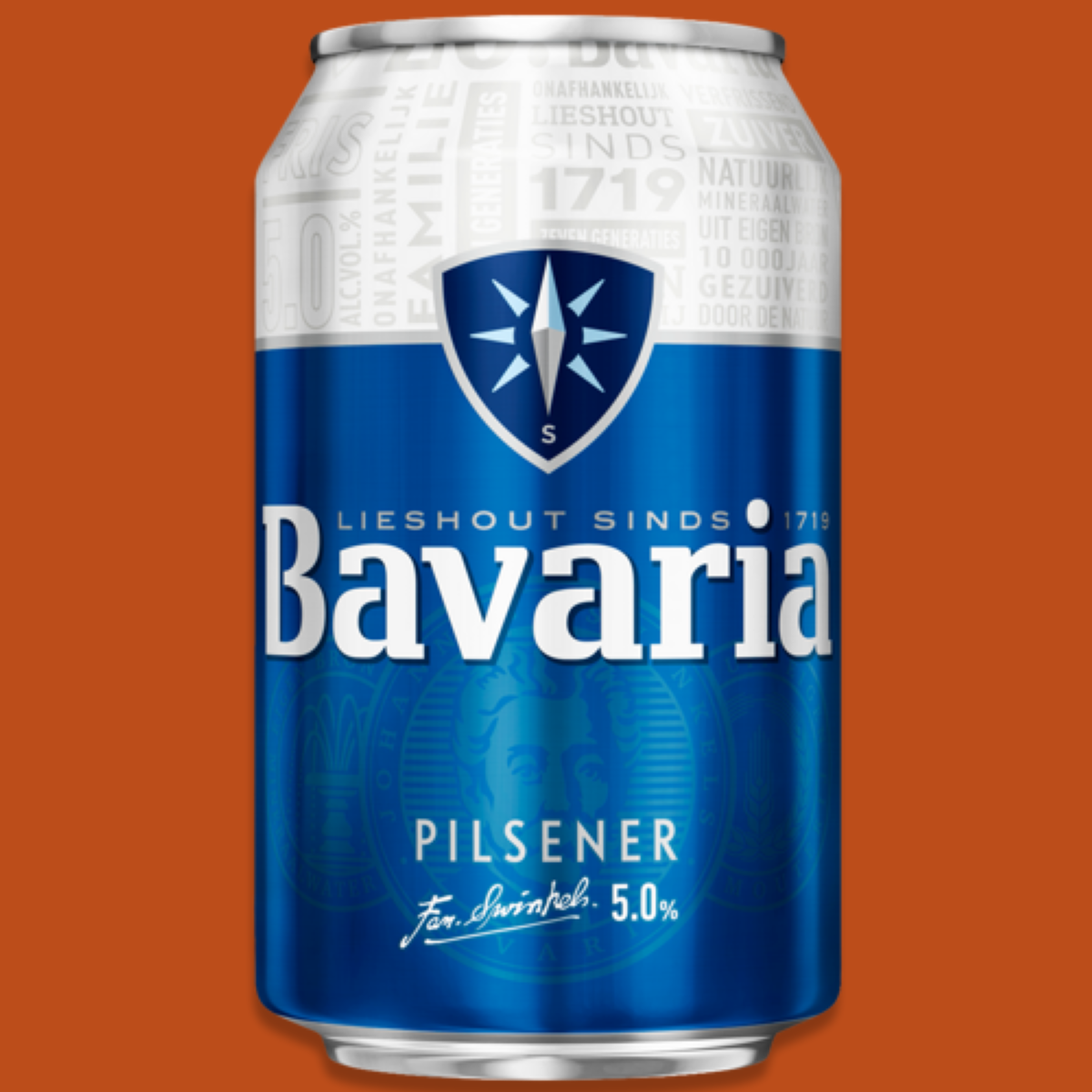
Prices as of November 22, 2026, as reported by Gall & Gall. See the current price and stock at Gall & Gall. Glazen.nl receives a small commission if you buy something through these links; you pay nothing extra. No alcohol if you’re under 18.
Everything for your bar,
to one address
Hospitality-quality glasses, sold in sets. Order today, delivered quickly.
Shop glasses →