Provence
Provence lies in southeastern France, between the Rhône and the Côte d'Azur. No other wine region is so closely associated with rosé: most of the wine made here is pink, pale in color, and dry. The region also produces spicy reds and a little white wine.


Wine from Provence, by type
Provence rosé is a blend of a few southern grapes. We have a dedicated page about rosé itself and three of those grapes.

Rosé wine
How does rosé get its color, and why is Provence rosé so pale? Everything about rosé from around the world.
About rosé →
Grenache
The backbone of many Provence rosés, with juicy red fruit and low tannins.
About Grenache →
Syrah
Known as syrah in France and shiraz elsewhere. It gives rosé and red wines from Provence color and a spicy note.
About Syrah →
Vermentino
The coastal white grape, known as rolle in Provence. Spicy, fresh, and with a slight bitterness.
About Vermentino →Sun, sea, and the mistral
Provence lies between the Rhône in the west and the Italian border in the east, with the Mediterranean Sea to the south. It is warm and sunny, but the mistral, a cold north wind, keeps the vineyards dry and healthy. The vineyards are surrounded by garrigue: low-growing vegetation of rosemary, thyme and lavender. Many wine lovers taste these herbs in the wine. The region has been making wine for a very long time, and today the vast majority of it is rosé.
The largest appellation is Côtes de Provence, alongside Coteaux d'Aix-en-Provence and Coteaux Varois en Provence. Almost all rosé is a blend of southern red grapes: Grenache for juicy red fruit, Cinsault for freshness and a pale color, and Syrah for color and spice. Mourvèdre, Carignan, Tibouren and Cabernet Sauvignon are also permitted. Winemakers keep contact between the juice and skins brief, or press the grapes directly. This keeps the rosé pale, dry and fresh. On the coast lies Bandol, known for robust red wines and rosé made from Mourvèdre, while the small appellation of Cassis mainly produces white wine. Rolle is the main grape for white wine, the same as Italian Vermentino.
In brief
Seven bottles, from classic rosé to red
Most of the bottles below are rosé, from light and fresh wines for the terrace to fuller, richer ones for the table. At the bottom are a white and a red, to show that Provence has more to offer.
Mirabeau Classic Rosé
A classic blend of Syrah, Grenache and Cinsault. Elegant and light, with strawberry, red cherries and raspberry.

Château d'Esclans Whispering Angel
One of the best-known Provençal rosés, here in a magnum holding one and a half liters. Light red summer fruit, apricot and a hint of spice.

Domaines Ott By Ott Rosé
Made from 70% Grenache, 20% Cinsault and 10% Syrah. Aromatic and refreshing, with a rich structure that pairs well with food.
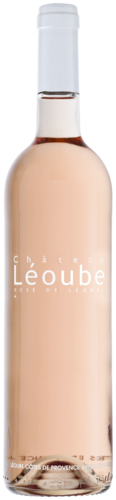
Château Léoube Rosé
The vineyards lie right by the Mediterranean Sea, and you can taste it in the slightly saline finish.

Château d'Esclans Rock Angel
A rosé with more punch. A brief period of oak aging gives it more body and makes it a good match for a meal.
Château de Berne Grande Cuvée Blanc
White Provence wine made from Rolle and Sémillon. Rolle adds spice and body, while Sémillon has a slightly waxy, rounded character.
Domaine de l'Amaurigue Rouge
Half Syrah, half Cabernet Sauvignon, aged for a year in oak. Blackcurrant, spices, green herbs and firm tannins.
How is rosé made, and is a lighter color really better? Find out on our rosé page.
Red fruit, peach and herbs
Strawberry & peach
Light red fruit such as strawberry, raspberry and redcurrant, often with peach, apricot or citrus. Sometimes underpinned by a hint of Mediterranean herbs.
Dry and fresh
A good Provence rosé is dry, fresh and light-bodied. It feels juicy without being sweet. Rosés with some oak aging or more grenache are rounder and fuller.
Crisp, sometimes saline
The finish is short to medium and crisp, with a refreshing edge. Rosé from vineyards by the sea sometimes finishes with a slight salinity.
Flavor profile of a typical Côtes de Provence rosé. A rosé aged in oak or a Bandol scores higher in intensity, and red wine from Provence scores even higher.
How to serve Provence wine
Rosé well chilled but not ice-cold, red just below room temperature. And drink rosé young.
Rosé at 8 to 10 degrees
Serve Provence rosé at 8 to 10 degrees. Too cold, and you’ll barely taste the fruit; too warm, and the wine will taste flat. Put the bottle in the fridge for a few hours or in a bucket of ice and water for twenty minutes. On the terrace, a wine cooler will keep it at the right temperature.
More about wine temperature →Drink rosé young
Most Provence rosé is made to be drunk within a year or two of the harvest, while the fruit is still fresh. So check the vintage on the label. Only some top cuvées aged in oak can be kept a little longer.
More about rosé →Red at 16 to 18 degrees
Serve red Provence wine and Bandol at 16 to 18 degrees. A robust Bandol or a red with plenty of tannins benefits from half an hour in a decanter. Put a bottle from a warm room in the fridge for a little while first.
More about decanting →Provence wine at the table
Provence rosé belongs with Mediterranean cuisine: olive oil, garlic, tomato, fish, and fresh herbs. Its freshness also makes it a good match for many other dishes.
Aperitifs and salads
A light rosé is delicious as an aperitif with olives, tapenade, or crudités. It goes well with salads, such as salade niçoise, as well as sushi and carpaccio.
Fish and Mediterranean dishes
A fuller-bodied rosé or one with some oak aging can be served with a meal: grilled fish, bouillabaisse, ratatouille, chicken, or dishes with tomato and garlic.
From the grill
Grilled prawns, sardines, chicken, and vegetables from the barbecue go well with chilled rosé. A dry rosé is also a safe choice with mildly spicy Asian food.
Lamb and fish in sauce
Red Provence wine and Bandol pair well with herb-seasoned lamb, stews, and grilled meat. White Provence wine made from Rolle pairs well with fish in sauce and poultry.
The right glass for Provence rosé
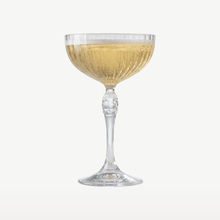
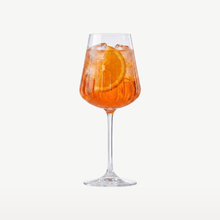
Drink rosé from a wine glass with a bowl that isn’t too large, so it stays cool and you can smell the fruit clearly. A fuller-bodied rosé served with a meal can go in a larger glass. These are the glasses we recommend ourselves.


Everything else you wanted to know about Provence wine
Can’t find your question here? Read more about wine and food, or get in touch.
Wine and food pairings →What is Provence rosé?
Why is Provence rosé so pale?
Which grapes are in Provençal rosé?
How much alcohol is in Provençal rosé?
How cold should you drink rosé?
What to eat with rosé from Provence?
Buy wine from Provence
Want the bottle delivered straight to your door? Order wine from Provence online at Gall & Gall. Gall & Gall has 47, 3 of which are on sale.
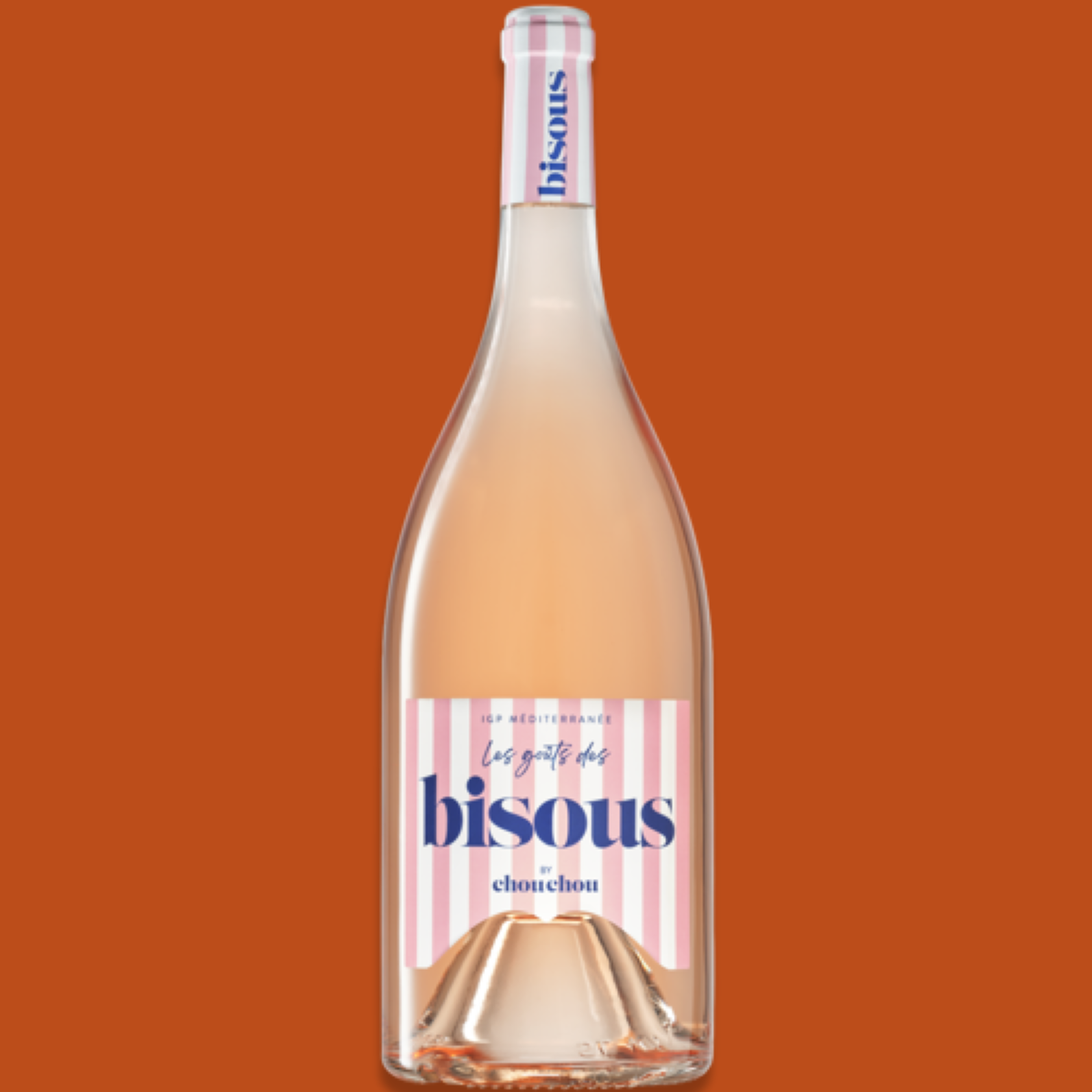
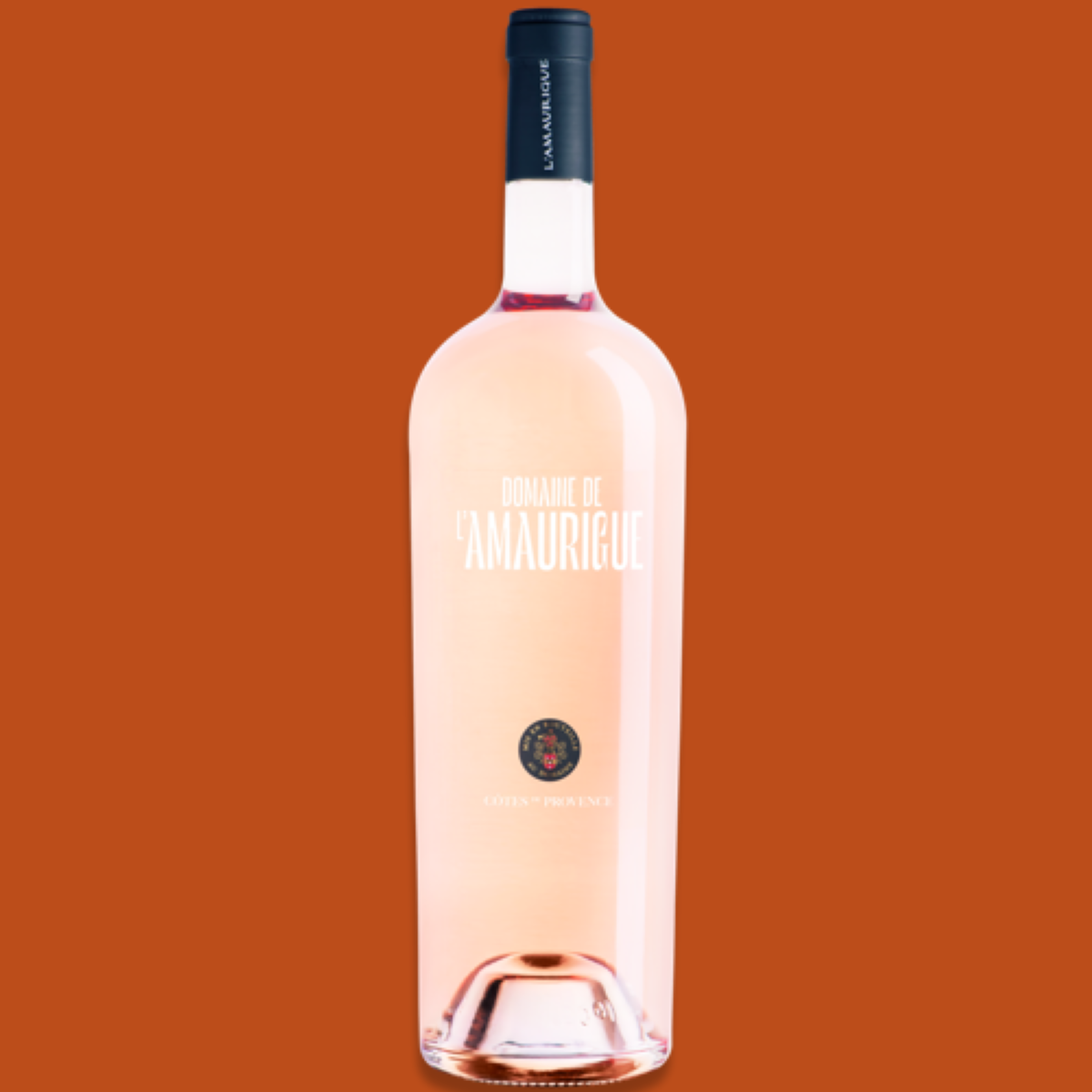
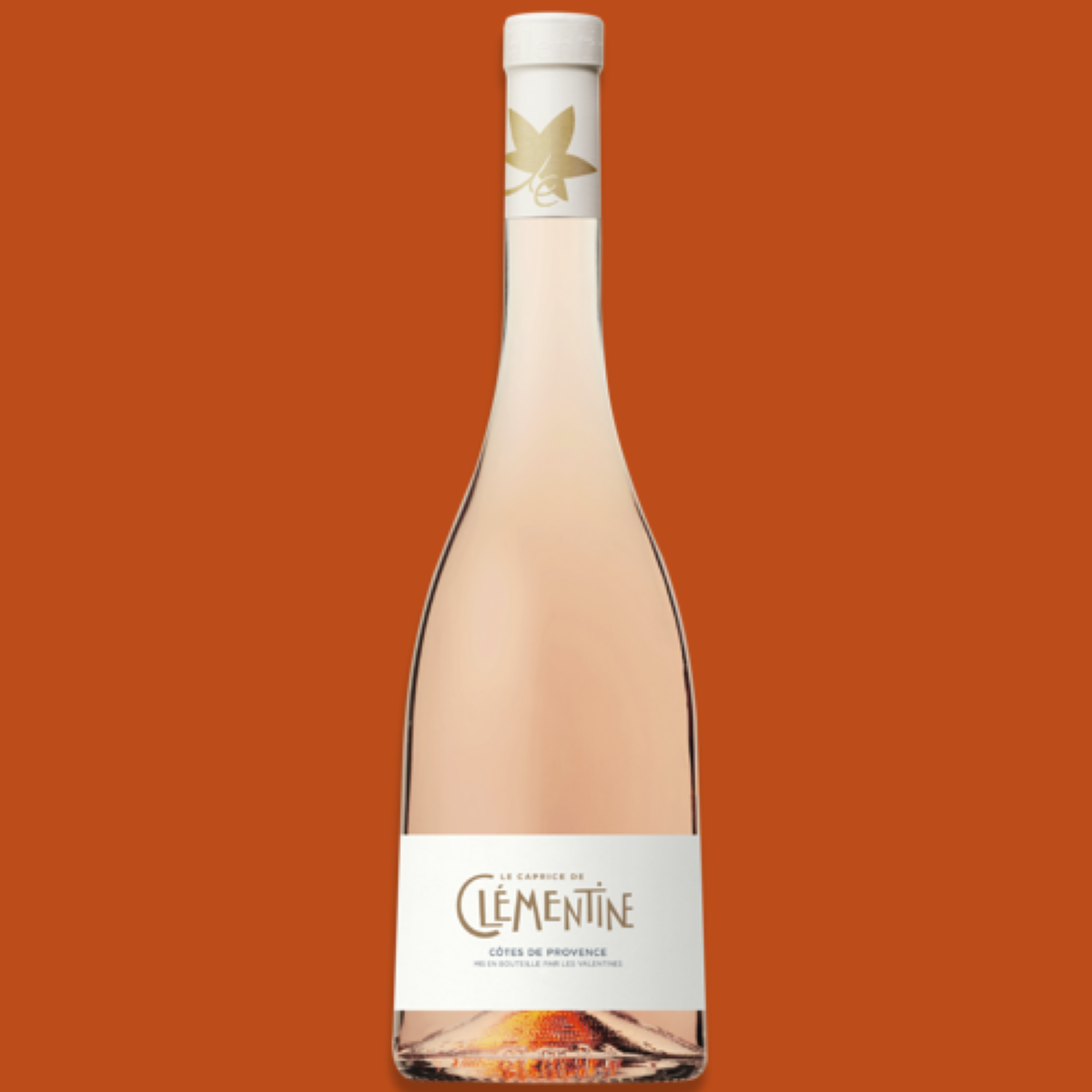
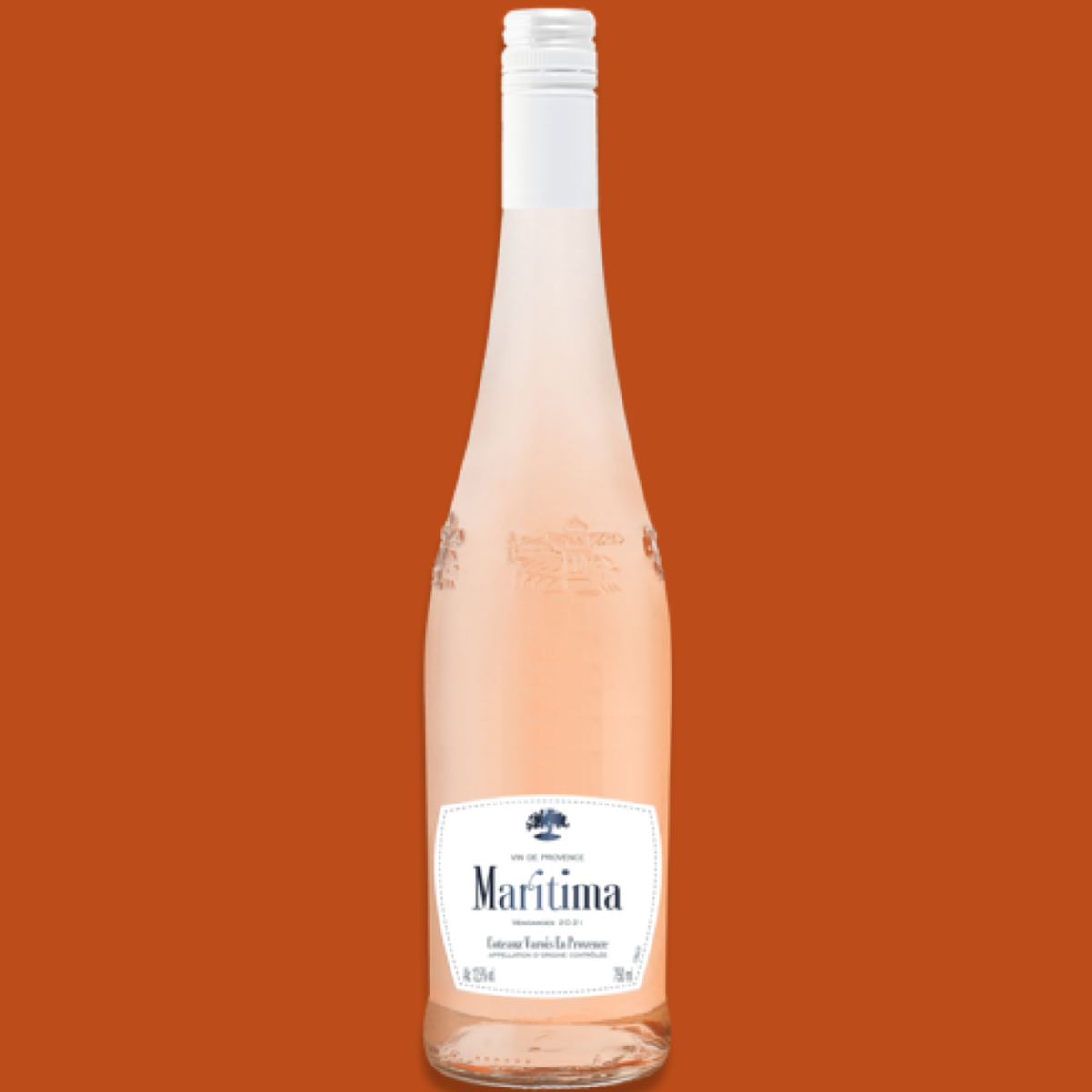
Prices as of November 23, 2026, as provided by Gall & Gall. You can see the current price and stock at Gall & Gall. Glazen.nl receives a small commission if you buy something through these links; it costs you nothing extra. No 18, no alcohol.